Replacing a roof is stressful, especially in South Florida, where hurricane-grade materials, strict codes, and coastal conditions add cost and complexity. Your biggest worry: surprise fees and an estimate that balloons after work begins. That’s why this guide breaks down real cost ranges, permit realities in HVHZ counties, hidden fees to watch for, and financing options to keep you protected and in control.
Below you’ll find practical numbers, decision checklists, and red flags so you can plan confidently in 2025.
2025 cost ranges — a realistic starting point
Every roof is different, but industry data and local contractors show these typical installed ranges for a standard single-family home (roughly 1,700–2,000 sq ft / 17–20 squares):
- Asphalt shingle: $5,000–$30,000 (most jobs fall between $7,000–$18,000 depending on shingle quality, roof complexity, and deck repairs).
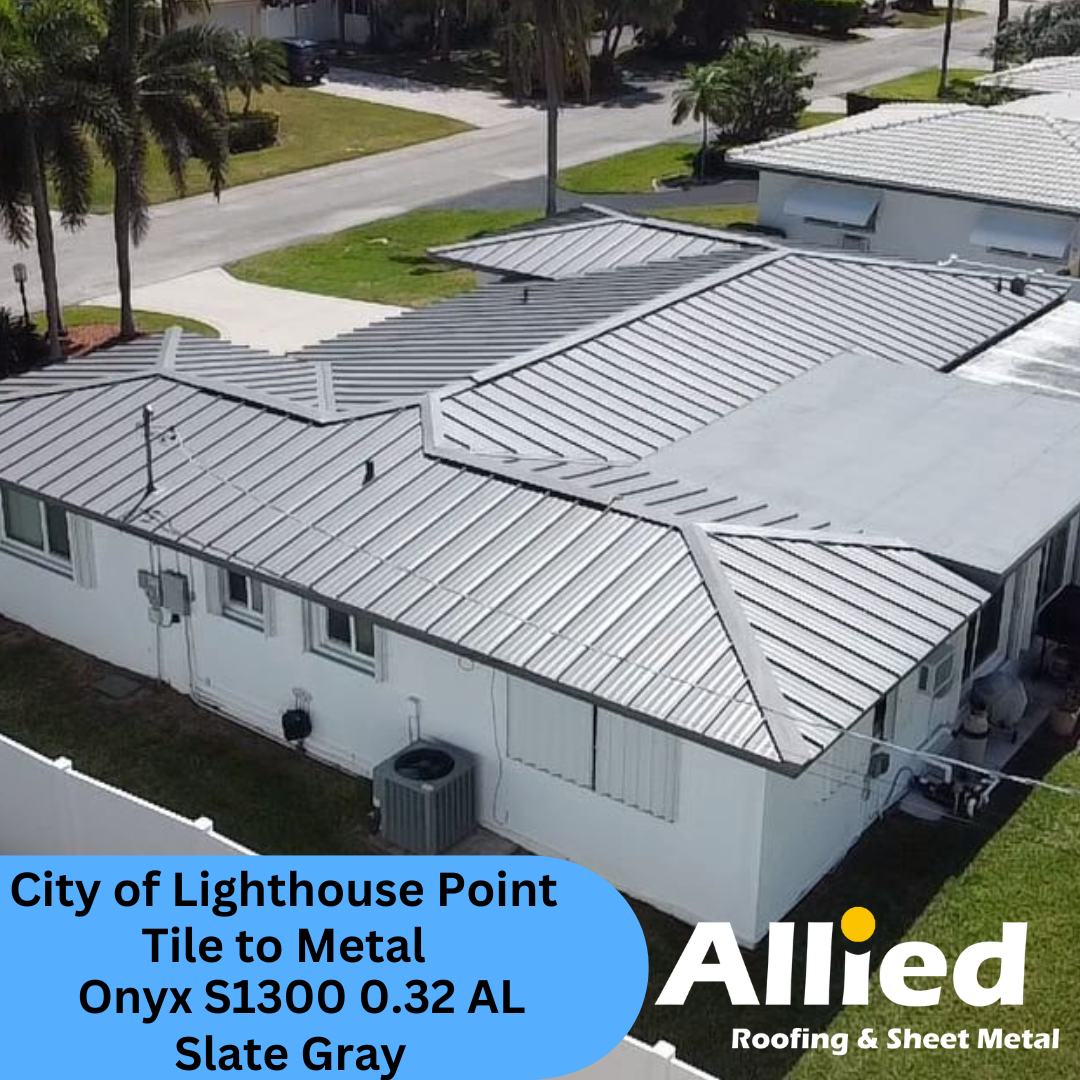
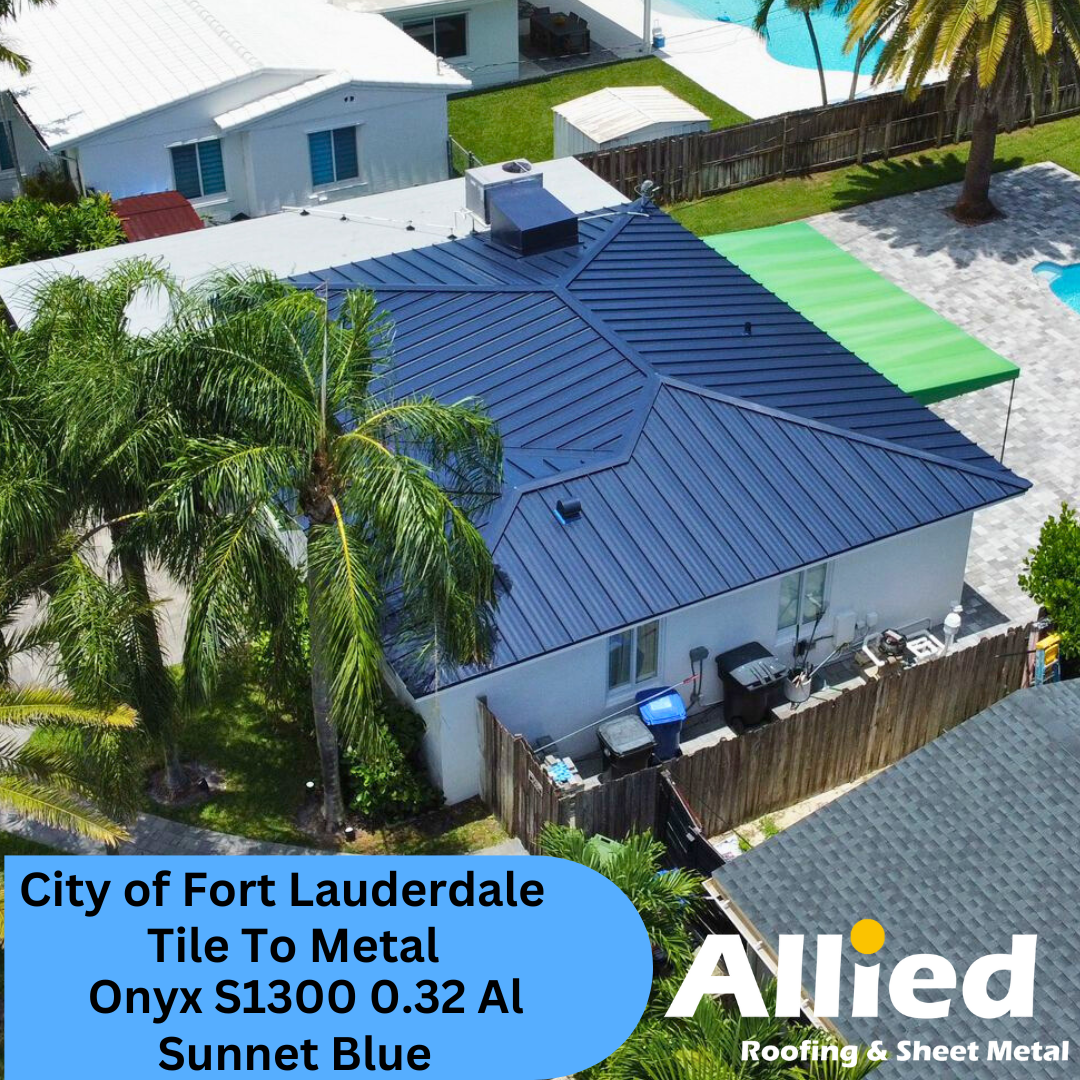
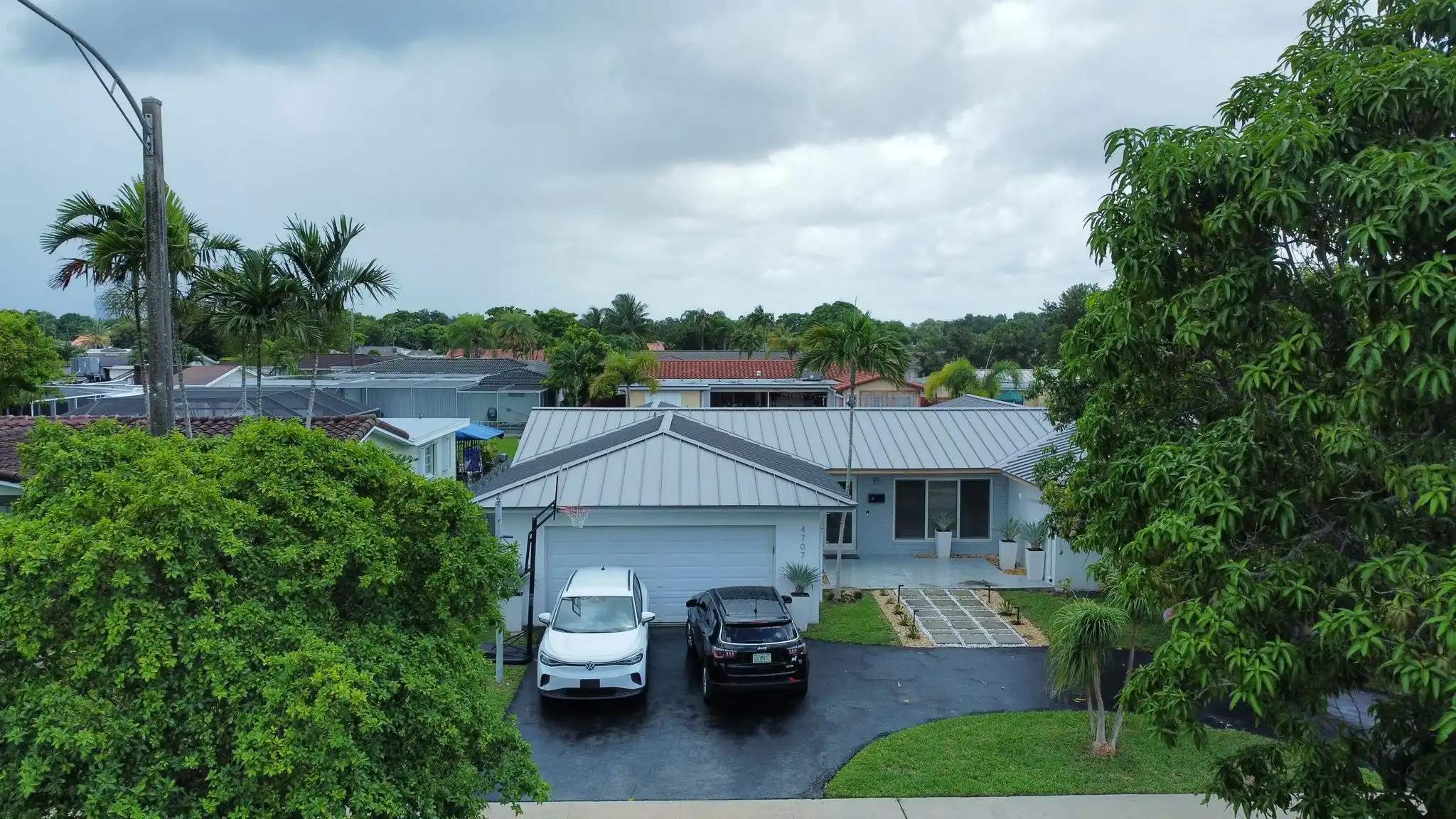
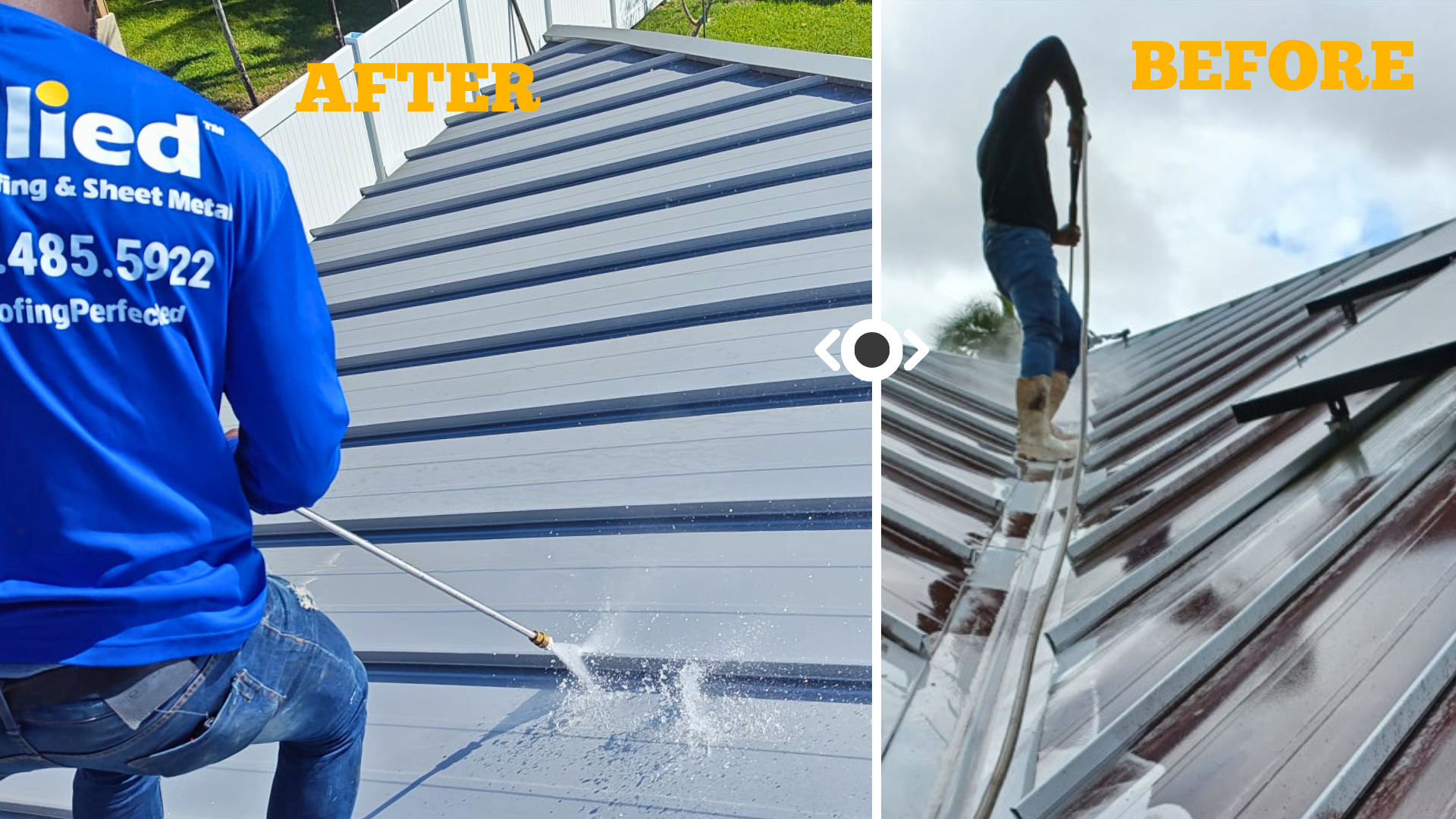
- Metal roofing (standing seam / premium panels): $12,000–$85,000 (wide range driven by metal type, gauge, and custom fabrication).
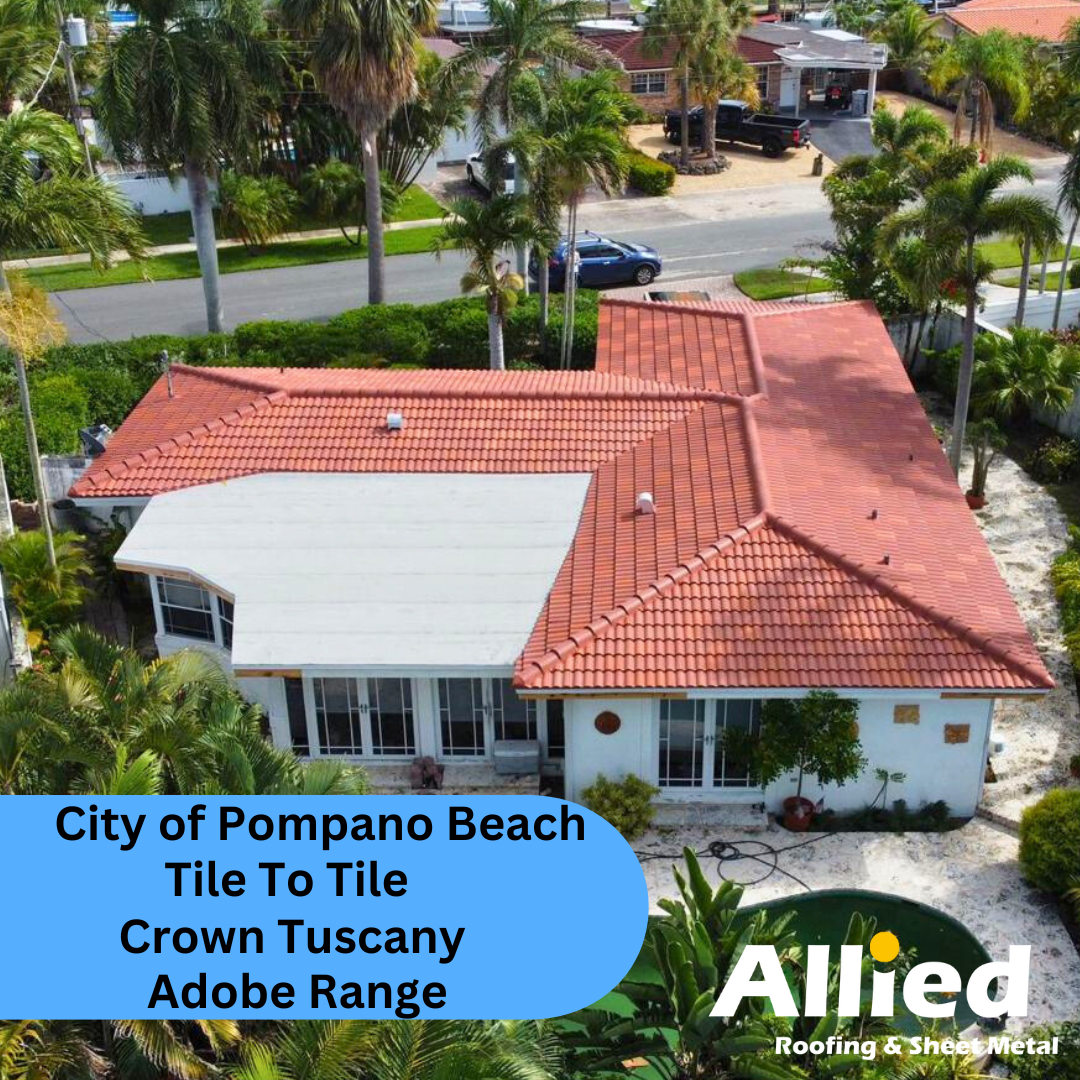
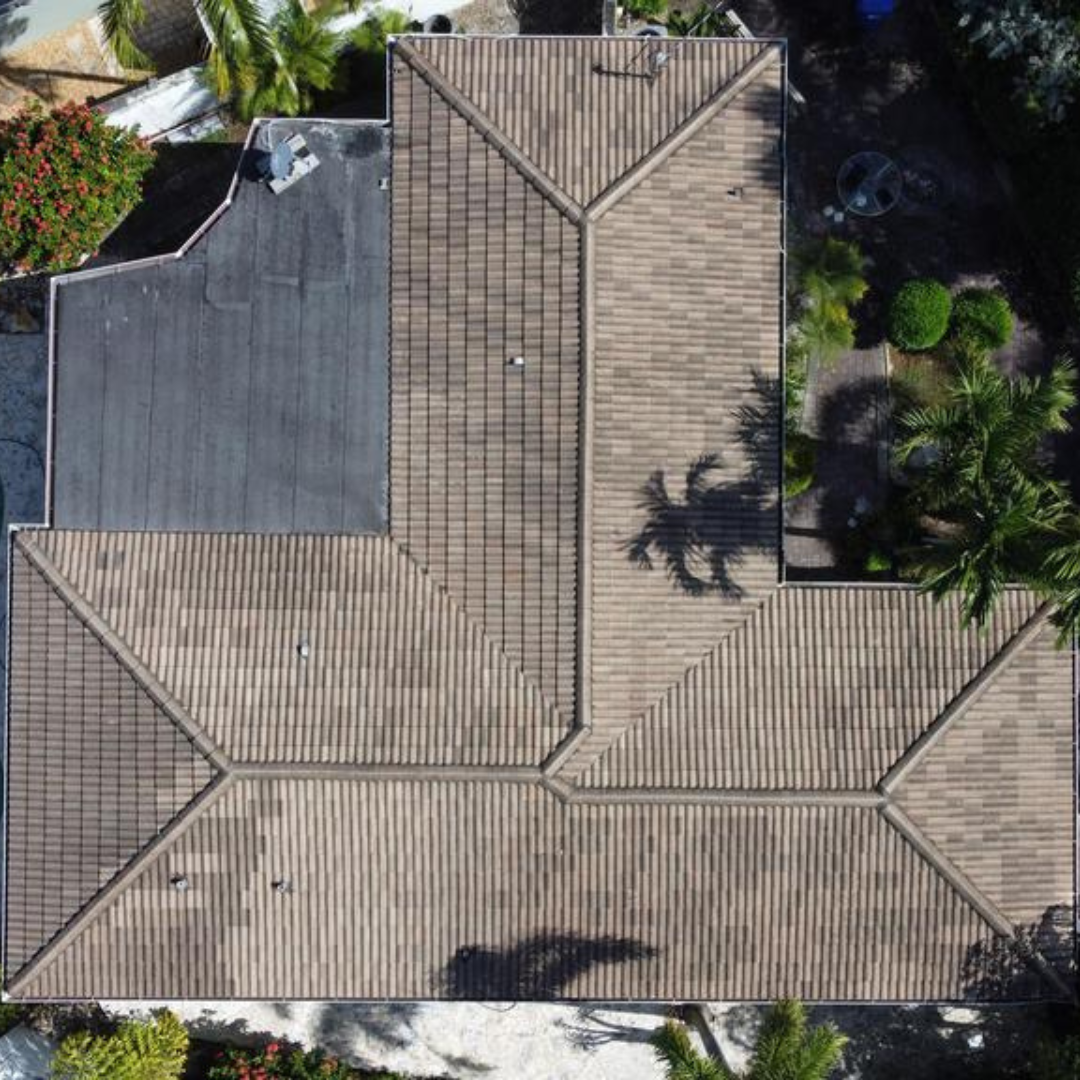
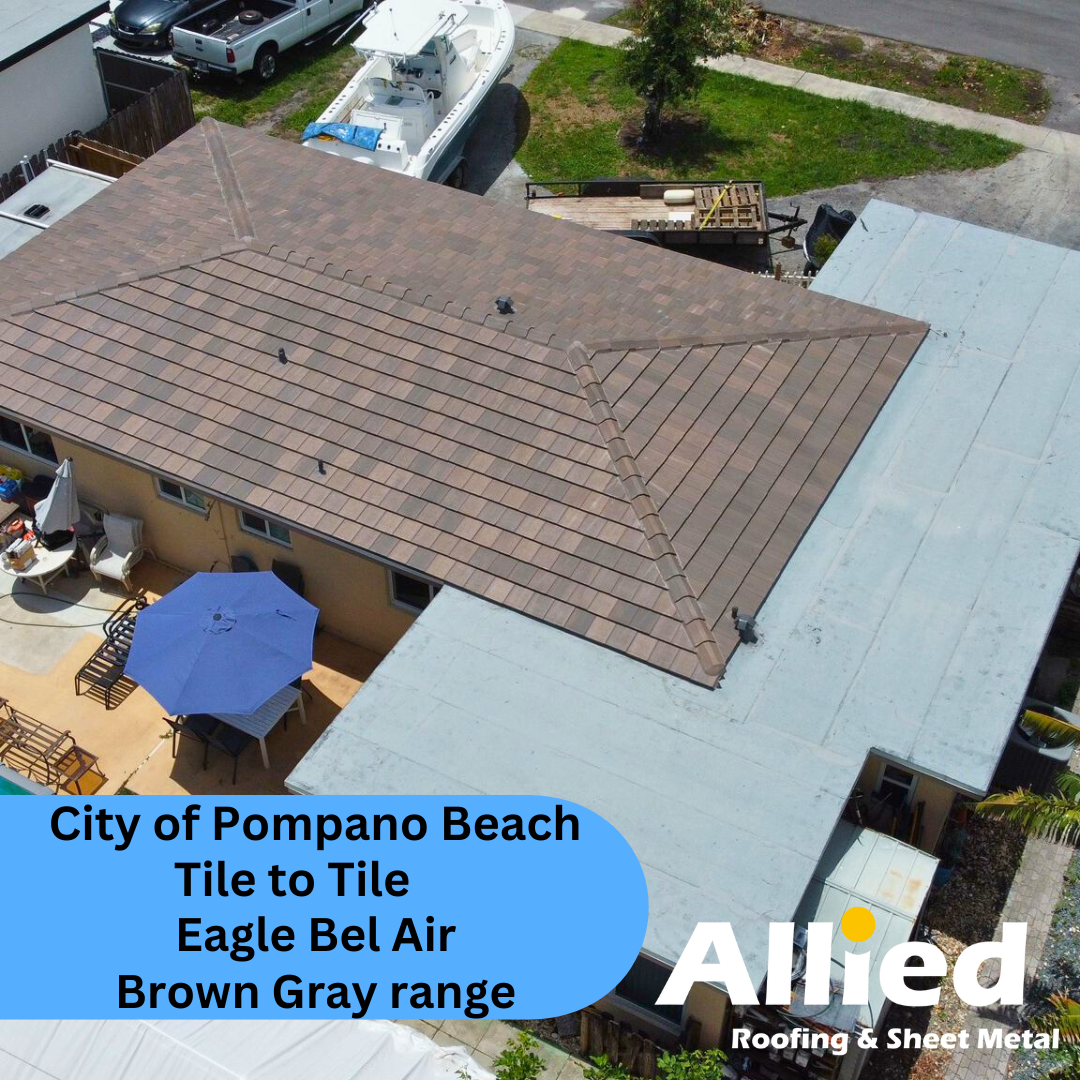
- Tile roofing (concrete or clay): $20,000–$80,000+ (tile is heavier, more labor intensive, and often triggers structural or underlayment upgrades).
Per-square-foot guidance (useful for quick math): asphalt typically runs about $4–$12/sq ft, metal $9–$16+/sq ft, and tile $10–$25+/sq ft depending on materials and installation method.
Bottom line: expect a broad range, get itemized estimates and compare the same line items (tear-off, underlayment, decking, flashing, permits, disposal).
Permit realities (HVHZ counties change the game)
Permit fees vary widely by county and city. For example, Broward County’s fee schedule sets a minimum roofing permit fee (check current schedule, but Broward lists a $250 minimum in 2025 updates). Meanwhile, Miami-Dade has specialized checklists and NOA requirements inside the HVHZ that add documentation and inspections. Permit costs, plan review, and special inspections can add hundreds to thousands depending on scope.
Tip: your contractor should pull permits, the cost appears on your estimate. If a contractor asks you to pull permits as “owner/contractor,” that’s a red flag if they’re actually managing the work.
Hidden fees that regularly surprise homeowners
Beyond materials and labor, these are the most common add-ons homeowners encounter:
- Rot and decking replacement. After tear-off, contractors often find rotten sheathing. Expect $50–$150 per sheet (4’x8’) depending on depth and access.
- Structural or code upgrades. HVHZ fastening patterns, new underlayment, or engineered attachments can add thousands.
- Complex flashing, chimneys, skylights, or parapet work. These details require custom metal and labor.
- Dumpster/disposal fees and job cleanup. Often listed separately; verify size and number of dumpsters.
- Permit & inspection fees. As above, can vary by jurisdiction.
- Temporary roof tarps / emergency repairs. If you wait until after a storm, temporary protections and expedited scheduling increase cost.
- Removal of multiple layers. Some codes or municipal rules require complete tear-off (no overlays), increasing disposal and labor costs.
How to avoid surprises: insist on a line-by-line estimate that lists tear-off, decking allowance, underlayment type, fastener schedule, flashing, permits, and disposal. If the estimate is a single number only, ask for detail.
What drives prices the most? (factors to evaluate)
- Roof size & complexity (pitch, hips/dormers): the more angles and steep slopes, the higher labor time and safety costs.
- Tear-off layers: removing two layers versus one increases time and disposal.
- Deck condition: replacing decking (OSB / plywood) is a frequent extra.
- HVHZ & NOA compliance: in Miami-Dade and parts of Broward, you’ll need NOA-rated products and stricter fastening, these cost more but are essential for insurability and code compliance.
- Material choices: premium shingles, designer tiles, and standing seam metals carry higher per-sq-ft material and labor rates.
- Custom metal work: in-house fabrication or specialty flashings (e.g., from Sheet Metal Unlimited) improves performance, at added cost, but lowers risk of callbacks.
- Access & logistics: tight yards, HOA rules on staging, or crane needs for tiles add to the bill.
Financing: how homeowners pay without derailing plans
Roofing is an investment. Popular financing options for South Florida homeowners include:
- Contractor financing programs offering 0% for a set term or low monthly payments.
- PACE financing (Ygrene / PACE programs) for energy-related or qualifying improvements , useful when adding reflective coatings or solar-ready systems.
- Home equity lines (HELOC) or home improvement loans.
- Insurance claims when damage is sudden (wind/storm) — but not for normal wear and tear. (Check your policy and document pre-loss photos.)
- My Florida Safe: Grants and city based programs can help homeowners finance improvements on your home, check your local and state guides.
Tip: compare APRs, prepayment penalties, and whether the financing covers only materials vs. the full contract amount (including permits).
How to get an accurate, apples-to-apples estimate
- Request three detailed quotes: same scope, same tear-off depth, same underlayment and warranty options.
- Ask for line items: underlayment brand, fastening schedule, deck allowance, flashing details, permit, disposal.
- Verify licensing & insurance: check Florida DBPR and ask for COI (Certificate of Insurance).
- Ask about warranties: manufacturer vs. workmanship vs. system warranties (Allied offers workmanship coverage).
- Confirm permit process: who pulls them, expected turnaround, and inspection fees.
- Check references & local projects: ask for recent nearby jobs and photos (ask for an Excel portfolio or neighborhood examples).
When cheaper becomes expensive: common contractor tricks
- Low upfront price + vague scope: means add-ons later.
- “We’ll handle permits later” or “owner will pull permit”, avoid.
- Storm-chaser discounts: beware of one-season operations that leave you without long-term support.
- Non-HVHZ materials masquerading as approved ask for Miami-Dade NOA or Florida Product Approval documentation.
Timing & scheduling: when to replace your roof
- Best time: late fall through spring (after hurricane season) for stable scheduling and weather.
- Avoid delays: waiting until roof leaks inside often forces emergency tarp work and higher costs.
- Plan for inspections: allow time for municipal plan review in HVHZ areas, it can add days or weeks.
Quick homeowner checklist before you sign
- Get itemized estimates from reputable local contractors.
- Verify licenses, insurance, and physical address (no P.O. box).
- Confirm HVHZ/NOA compliance if in Miami-Dade/Broward HVHZ zones.
- Understand warranty coverage and annual maintenance requirements.
- Ask about in-house metal fabrication if you have custom flashings or metal panels
- Ask for a project timeline and written communication plan.
Final thoughts, plan ahead and protect your investment
Replacing a roof in South Florida in 2026 requires local expertise. The material costs, HVHZ rules, and permit fees make accurate, itemized estimates essential. Don’t let low ball quotes lure you in, focus on transparency, local experience, and a contractor that explains every line.
If you want help comparing quotes or want an Allied Roofing estimate built to HVHZ standards (with transparent pricing and financing options), we’d be happy to review your property.
Call Allied Roofing & Sheet Metal at 954-485-5922 or request a free estimate on our site. Protect your home with a local team that knows South Florida roofs.