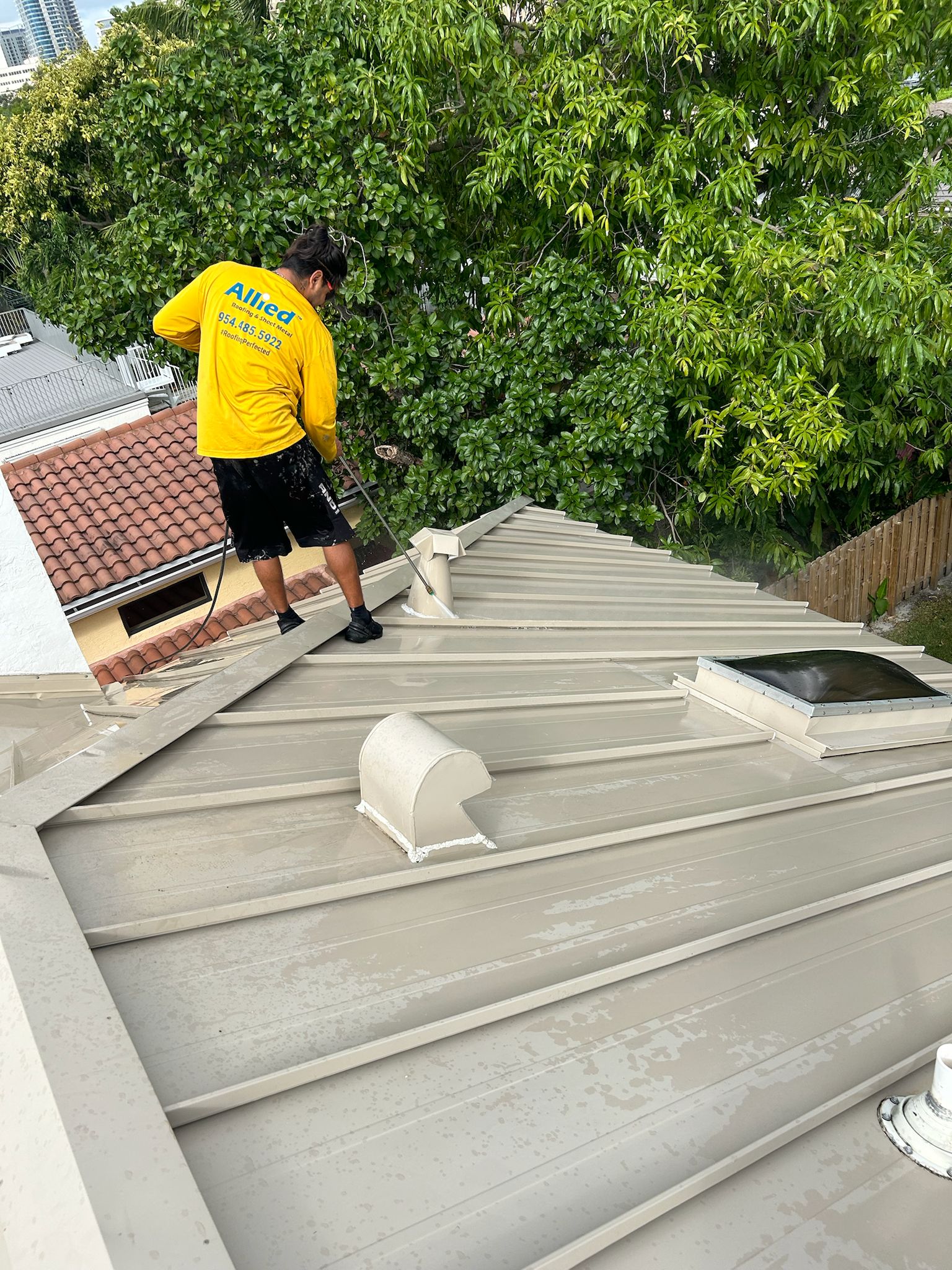
Why Roofing Maintenance Matters in South Florida
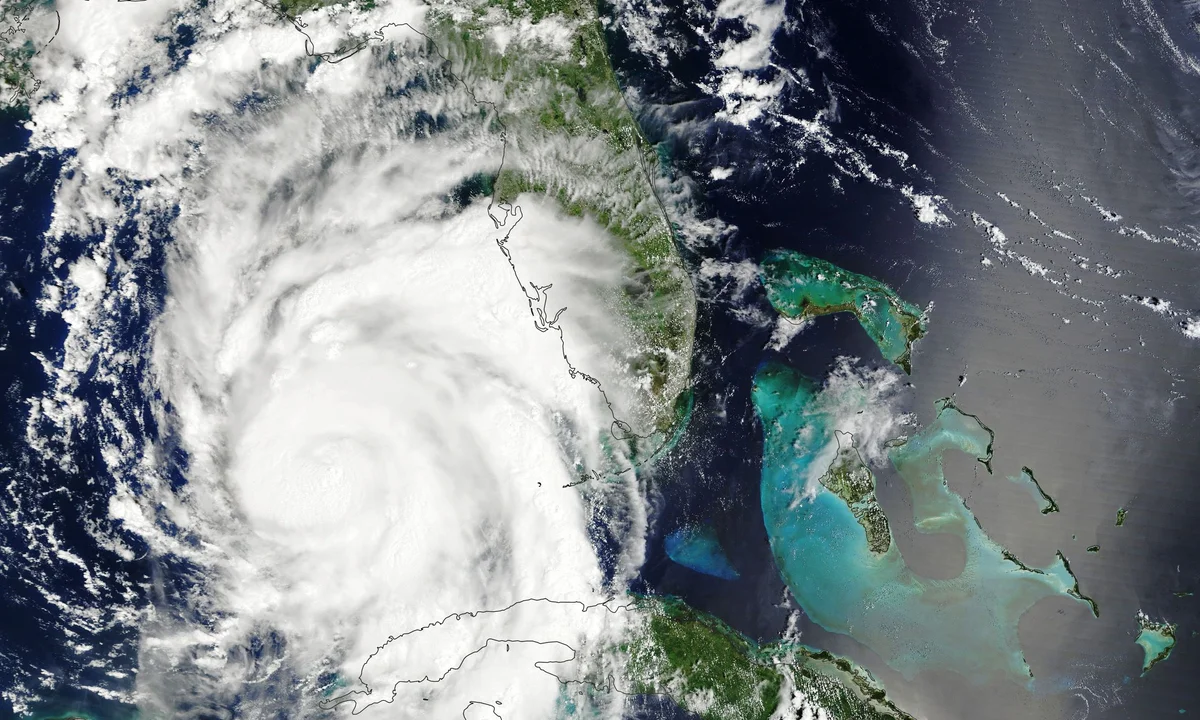
South Florida’s climate is uniquely demanding on roofs. Between year-round sun exposure, high humidity, salt-laden air near the coast, heavy rains, and frequent storms (including hurricanes), roofing materials undergo constant stress. Without proper maintenance, UV radiation degrades shingles or membrane coatings, flashings loosen under thermal expansion, algae or mold thrive in damp spots, and wind events can dislodge flashing or loosen fasteners. In addition, many homes suffer from poor attic ventilation or inadequate drainage, which magnifies heat and moisture damage from beneath. For roofs here, maintenance isn’t optional, it’s essential to approach or exceed expected lifespans.
Roof Maintenance Tips South Florida That Make a Difference
Below are 11 actionable, climate-tailored maintenance tips. These are practical tasks homeowners can schedule or monitor, with ideas on when to call a professional.
- Inspect biannually (spring + post-storm season)
Why it matters: You catch early signs of damage before they worsen.
How to do it: Walk your roof or have a trusted contractor inspect it in early spring, and again after hurricane season ends in fall. - Clean and check gutters & downspouts
Why it matters: Clogged gutters lead to overflow, fascia damage, and leaks.
How to do it: Remove leaves, debris, and granule buildup twice a year. Make sure downspouts discharge away from the foundation. - Trim overhanging branches
Why it matters: Branches can scrape roofing, drop debris, and allow pests.
How to do it: Keep trees at least 8–10 feet away from roof edges. Remove dangerously close limbs annually. - Check flashing, seals & penetrations
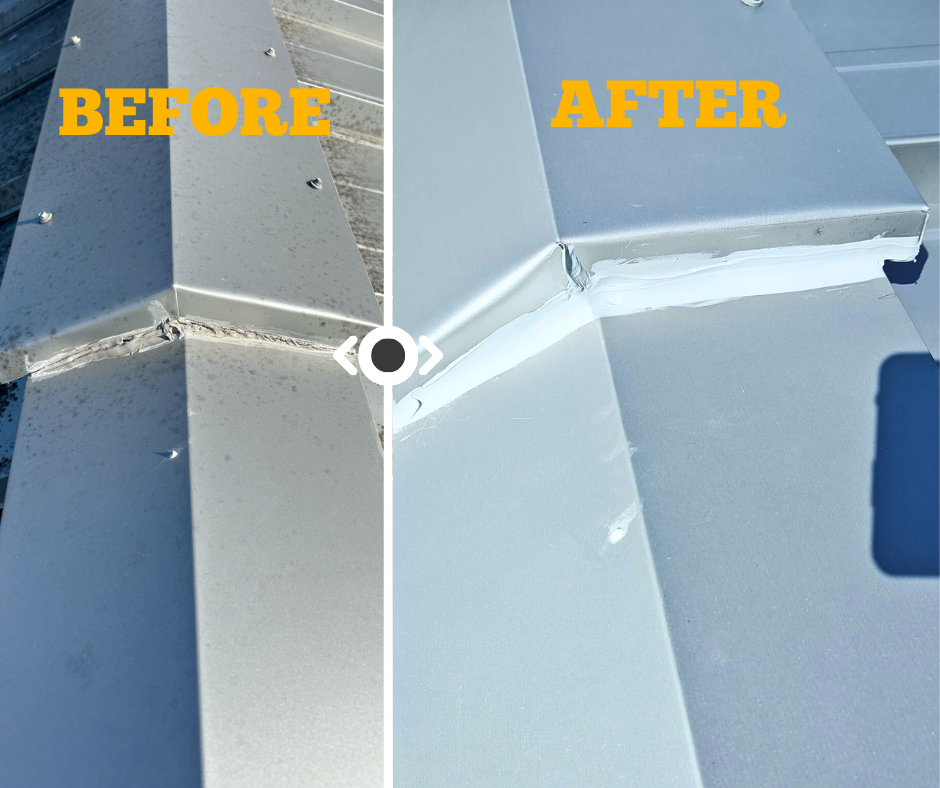
Why it matters: Flashing is a frequent failure point around chimneys, pipes, skylights.
How to do it: After storms, inspect flashings for gaps, rust, or silicone failure. Reseal or replace as needed. - Look for granule loss or shingle wear
Why it matters: Granule loss is a precursor to ultraviolet breakdown.
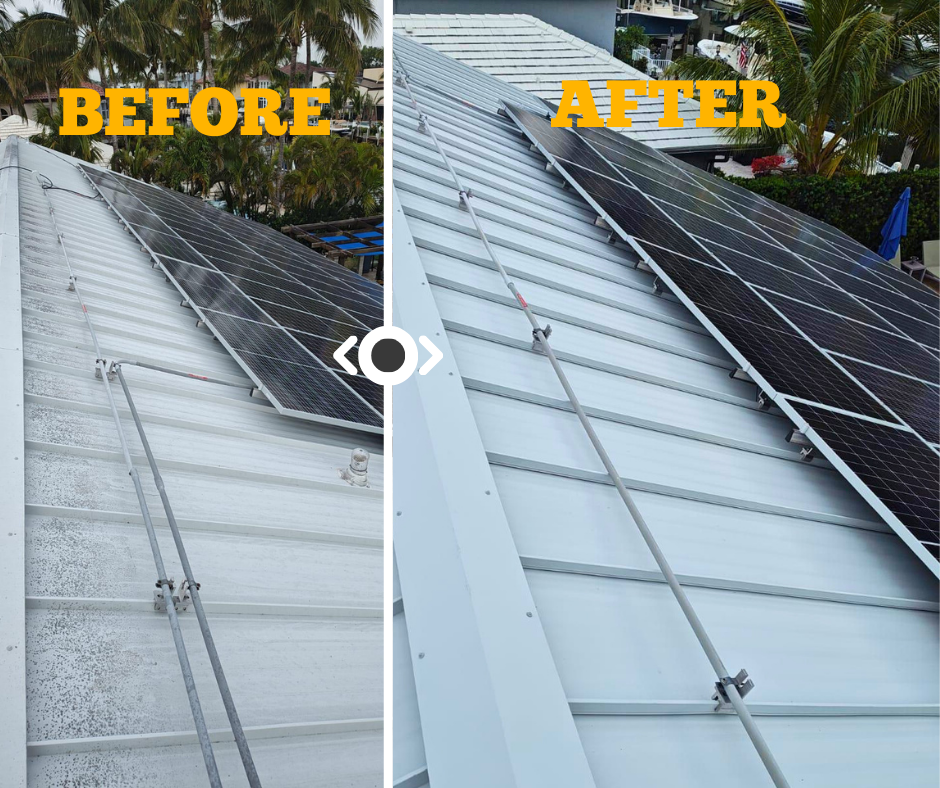
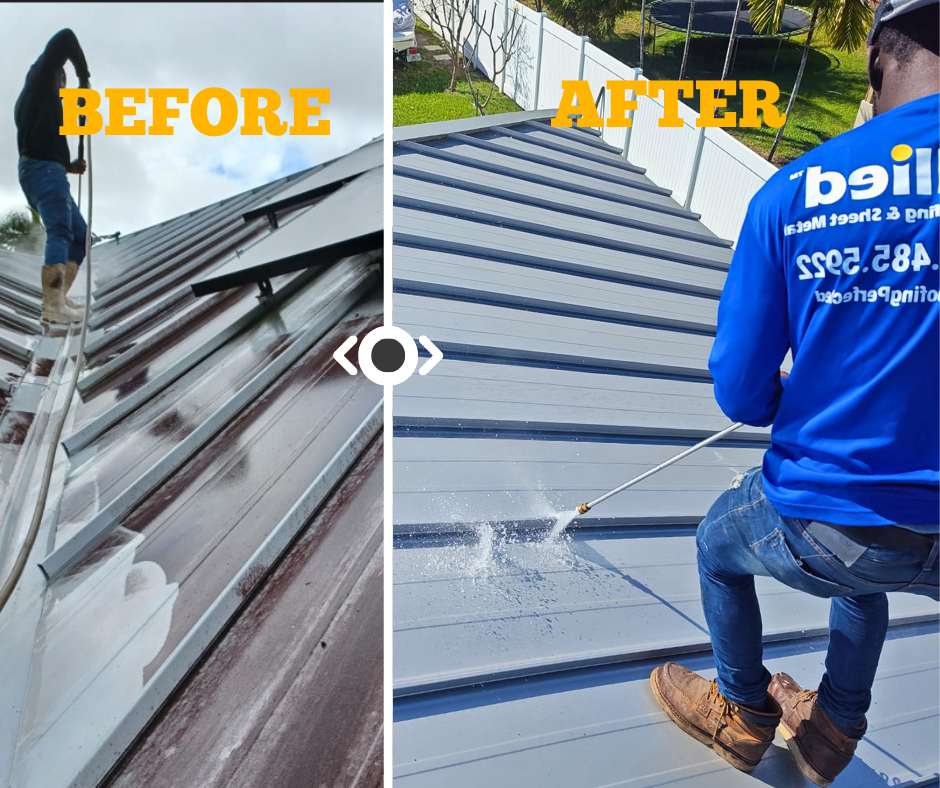
How to do it: Check gutters for granule deposits. On shingles, look for bare spots or exposed mat. - Watch for algae, moss or black streaks
Why it matters: Algae and mold retain moisture and degrade materials.
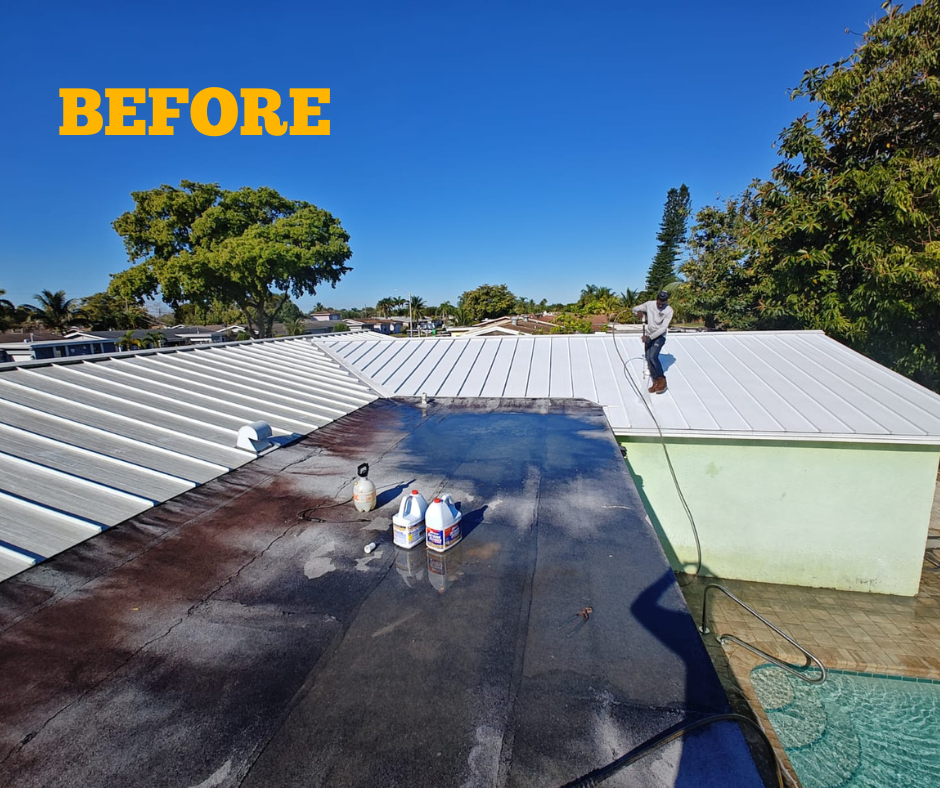
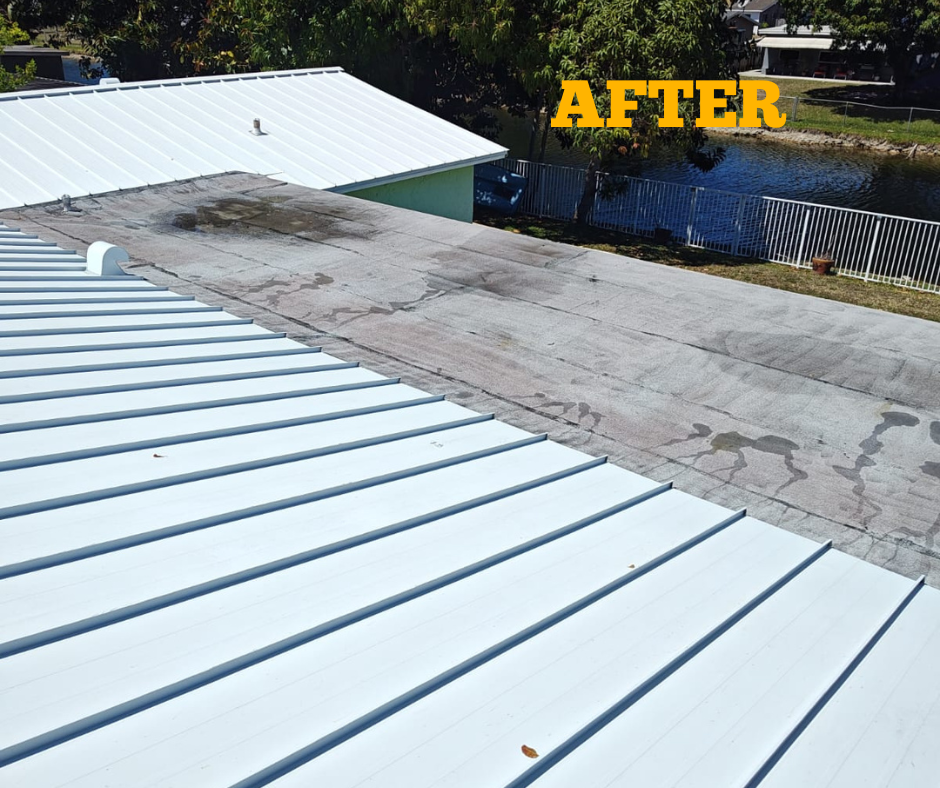
How to do it: Use gentle cleaners or soft washing methods (non-bleach, contractor grade). Avoid pressure washing which can damage membranes. - Inspect the attic / interior for leaks or daylight
Why it matters: Some damage shows from inside first.
How to do it: In your attic, look for water stains, mold, blistering, or light filtering through roof deck. - Ensure proper attic ventilation & insulation
Why it matters: Hot attics accelerate material fatigue and moisture buildup.
How to do it: Confirm ridge vents, soffits, and baffles are unobstructed. Replace or repair insulation where moisture has damaged it. - Address minor repairs immediately
Why it matters: Small failures escalate quickly in our environment.
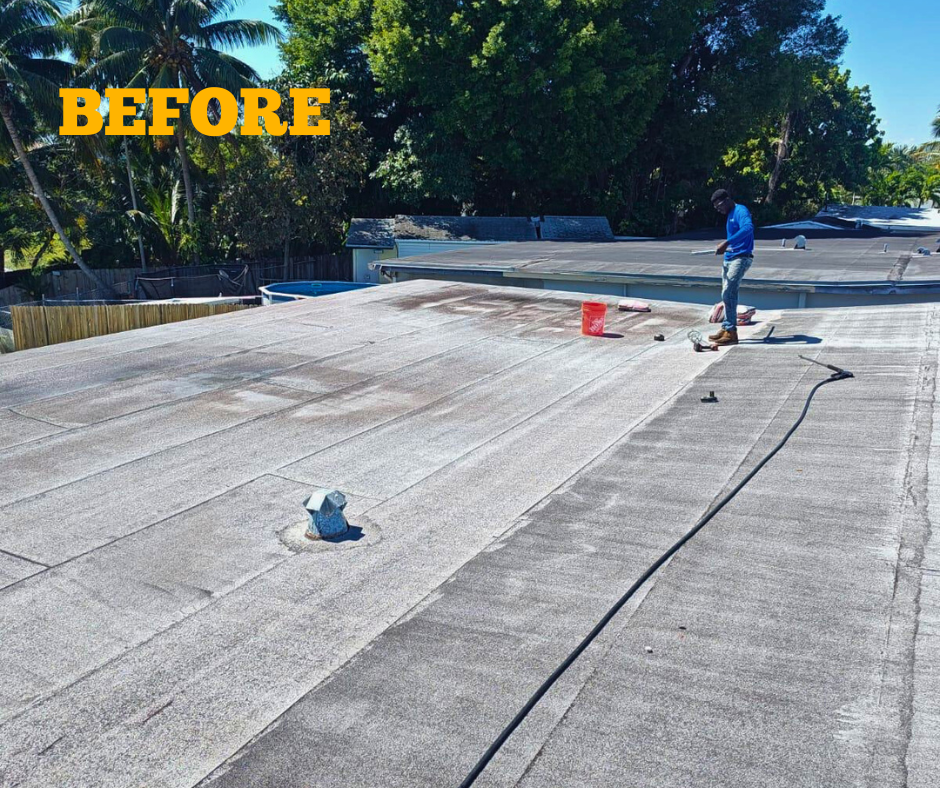
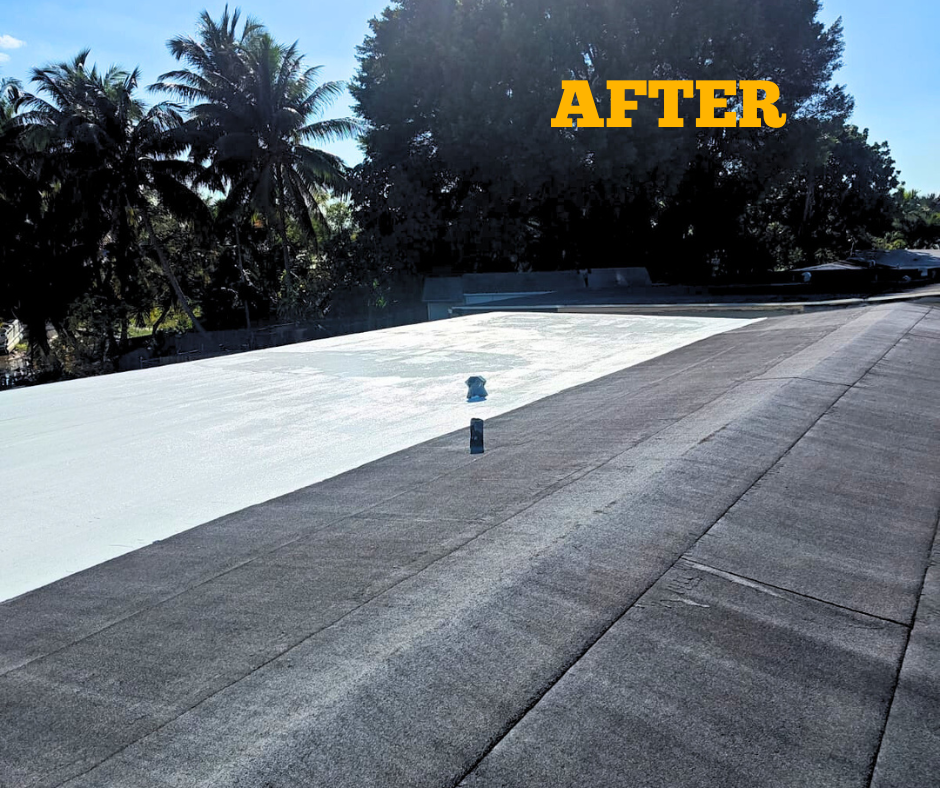
How to do it: Reattach loose shingles, re-seal joints, tighten flashing screws. Don’t delay until damage spreads. - Consider partial restorations on flat roofs before total failure
Why it matters: Preventative overlay or recoat can extend life and delay replacement.
How to do it: After 8–12 years (depending on membrane), inspect seams and coatings. Apply patching or reinforcement proactively. - Schedule a professional inspection every few years
Why it matters: Experts catch hidden issues you might miss.
How to do it: Call Allied Roofing for a full evaluation with photos, diagnosis, and repair priorities
Safety note:
Never climb on steep roofs yourself, especially after storms. Always use fall protection gear and hire a licensed roofing professional when in doubt.
Common Warning Signs of Hidden Damage
- Exterior signs: missing/broken shingles, bubbling membrane, rusted flashing, cracked sealants, pooling water, exposed nails.
- Interior signs: ceiling stains, bulging drywall, blistering paint, musty odors, daylight in attic If multiple signs appear simultaneously, it’s likely your roof is in distress and should be evaluated by a pro immediately.
How Allied Roofing Approaches Maintenance & Inspections
At Allied Roofing, our inspection process is systematic and transparent:
- We send a certified technician to conduct a full roof survey, capturing high-resolution photos and drone imagery where needed.
- We deliver a prioritized repair report, splitting urgent fixes from recommended maintenance.
- Our in-house crew (no subcontracting) executes repairs, restoration, or minor upgrades.
- We handle necessary permits, especially in High-Velocity Hurricane Zones (HVHZ), and ensure full code compliance.
- Clients receive progress updates, photos, permit status, and next-step guidance.
- When repairs are recommended, we offer flexible financing (Hearth, Ygrene, etc.) to ease the cost burden.
We aim to extend your roof’s life and catch issues before they become expensive replacements.
Costs, ROI & Maintenance vs Deferred Repairs
A roof inspection might cost a few hundred dollars, but that pales in comparison to even a minor leak that leads to interior water damage, mold removal, or structural repair costs that easily escalate to several thousand dollars. For example, a small roof leak left unattended can lead to drywall replacement, insulation damage, and electrical repair costs that far outstrip the inspection. Proactive maintenance gives huge ROI by preserving your roof’s structural integrity and catching issues early.
When to Repair vs When to Replace
- If over 20–30% of your roof shows irreversible damage, replacement typically offers better long-term value.
- If decking, sheathing, or framing is compromised, replacement is almost always required.
- Multiple recurring leaks or failed patches often signal the system is at end of life.
- Note: Allied Roofing does not re-roof over existing layers. We always remove failing roof systems before installing new ones to ensure proper deck bonding and warranty compliance.
FAQs
- How often should I have my roof inspected?
At least twice a year, typically in spring and again after hurricane season. - Do I need to inspect after every storm?
Yes, especially after severe storms or hurricane-level winds. According to the National Weather Service South Florida’s wet season puts added stress on roofing systems, making regular maintenance essential. - Will insurance cover roof maintenance?
Generally, insurance does not cover routine maintenance. It may cover storm damage, but neglect can void claims. - Does a metal roof need different upkeep?
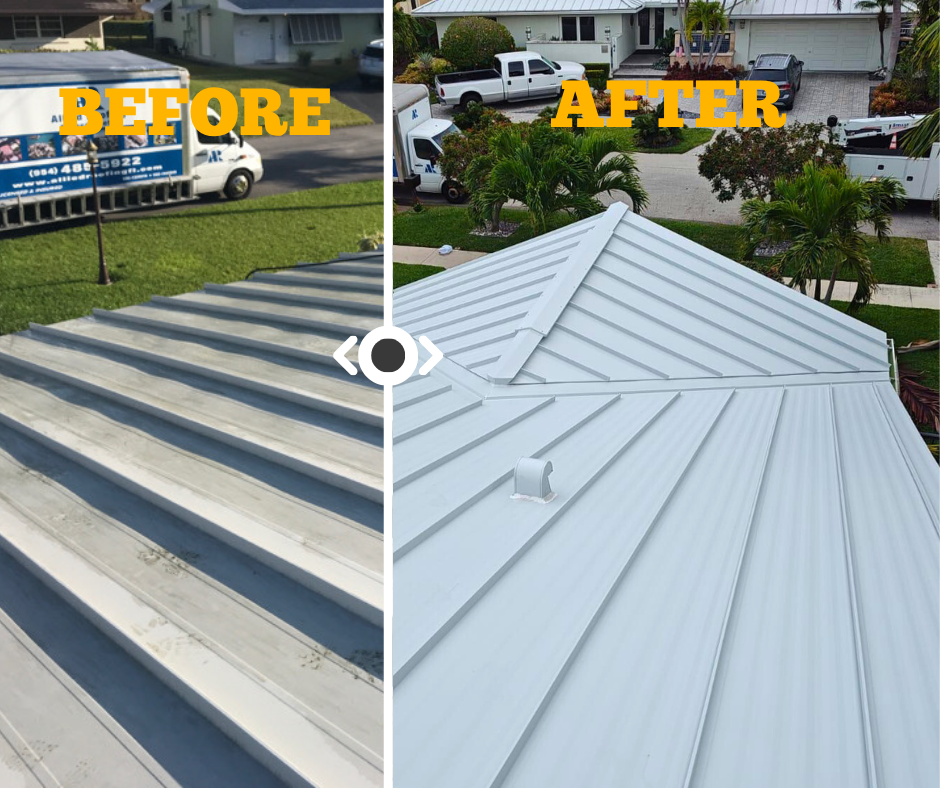
Metal roofs resist wind and corrosion well, but still require inspections for fasteners, flashings, and coatings. - How long does inspection/repair scheduling take?
Once you request a service, we aim to schedule within days, subject to workload, weather, and permitting cycles. - How long does it take to replace a roof with Allied Roofing?
It depends on size, complexity, permitting, and system type. In many residential cases, 4–6 weeks from the moment you sign the contract with Allied Roofing, as we have to order materials and submit permitting documentation. Some cities are faster than others; we’ll give you a detailed schedule in your estimate and update you via email and text every step of the way.
Our Promise
At Allied Roofing and Sheet Metal, we believe proactive care is the key to a longer-lasting roof. Whether you need a professional inspection, a small repair, or a maintenance plan tailored to your home, our experts are ready to help. We’ve been protecting South Florida homes for over 25 years with reliable service, expert craftsmanship, and honest advice.
How to Contact Us
Keep your roof performing at its best , don’t wait for problems to emerge. Schedule a professional inspection, to learn how our team can help you apply these roof maintenance tips South Florida homeowners trust to keep their roofs in top condition year-round.
Roof Maintenance Tips South Florida Homeowners Can Trust
Regular roof maintenance can save South Florida homeowners thousands of dollars over time. In our subtropical climate, your roof endures intense sun, heavy rain, and hurricane-force winds year-round. Without proper care, these conditions can quickly wear down even the strongest roofing systems.