Introduction: Why Hurricane-Ready Roofing Isn’t Optional in Florida
Every year, South Florida homeowners face the same reality: hurricane season is coming, and your roof is the first line of defense against wind, rain, and flying debris. In the High Velocity Hurricane Zone (HVHZ), which includes Broward and Miami-Dade County, even a small roofing weakness can turn into a major insurance claim, or worse, structural damage.
While many homeowners wait until a storm is on the radar, the truth is simple:
The roofs that survive hurricanes are the ones prepared before the storms form.
This guide walks you step-by-step through everything Florida homeowners should do to protect their roofing system, whether shingle, tile, or metal, to reduce risk, avoid out-of-pocket surprises, and increase your home’s storm resilience in 2026.
Hurricane Season Roof Preparedness Checklist
1. Schedule a Professional Roof Inspection—Your Most Important Step
A licensed roofing contractor should inspect your roof every year, ideally before June 1, the official start of hurricane season.
Why it matters:
Small issues that homeowners often miss—like lifted shingles, cracked tiles, loose fasteners, or gaps in flashing—can fail under hurricane-force winds.
A hurricane-ready roof inspection includes:
-
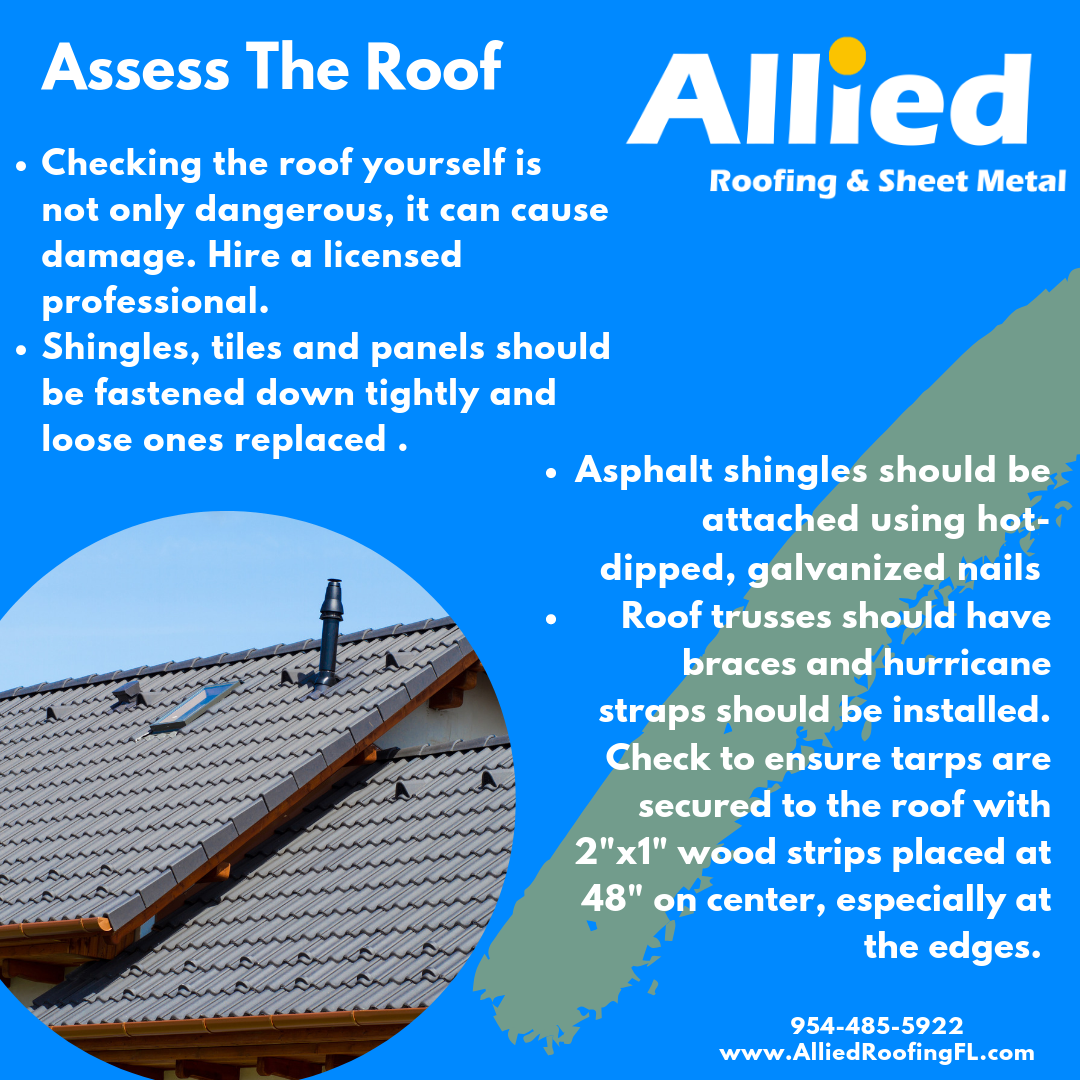
Checking for loose or missing shingles, tiles or metal panels
-
Inspecting tile attachment and cracked or slipped tiles
-
Verifying metal roof fasteners meet HVHZ requirements
-
Evaluating flashing around chimneys, skylights, and roof-to-wall intersections
-
Ensuring roof vents are secured and sealed
-
Inspecting underlayment integrity
-
Checking perimeter edges and drip metal
-
Looking for soft spots or hidden wood rot
Red flag: If a roofer takes a “quick look” from the driveway, it’s not a real inspection.
2. Reinforce or Replace Weak Roof Components
Even if your roof is newer, some components degrade faster in Florida’s climate.
Critical areas to reinforce before storms:
✔ Flashing (Most Common Failure Point)
Flashing protects vulnerable joints. Loose or corroded flashing can allow wind-driven rain to enter your attic.
✔ Fasteners
Shingle, tile, and metal roofs depend on fasteners that must meet HVHZ standards. Weak fasteners = blown-off roof sections.
✔ Underlayment
This waterproof layer is essential in tropical rain events. Older underlayment dries out, tears, and becomes brittle.
✔ Ridge Caps
Often the first part of a roof to fail under hurricane-force gusts.
3. Clear Gutters, Downspouts, and Roof Debris
Blocked gutters cause water to back up under your roofing system, especially in heavy tropical rain.
What to clean:
-
Leaves
-
Palm fronds
-
Seed pods
-
Mold or algae buildup
-
Branches from overhanging trees
Why it matters:
A roof can handle wind. A roof cannot handle standing water, especially near seams, edges, and penetrations.
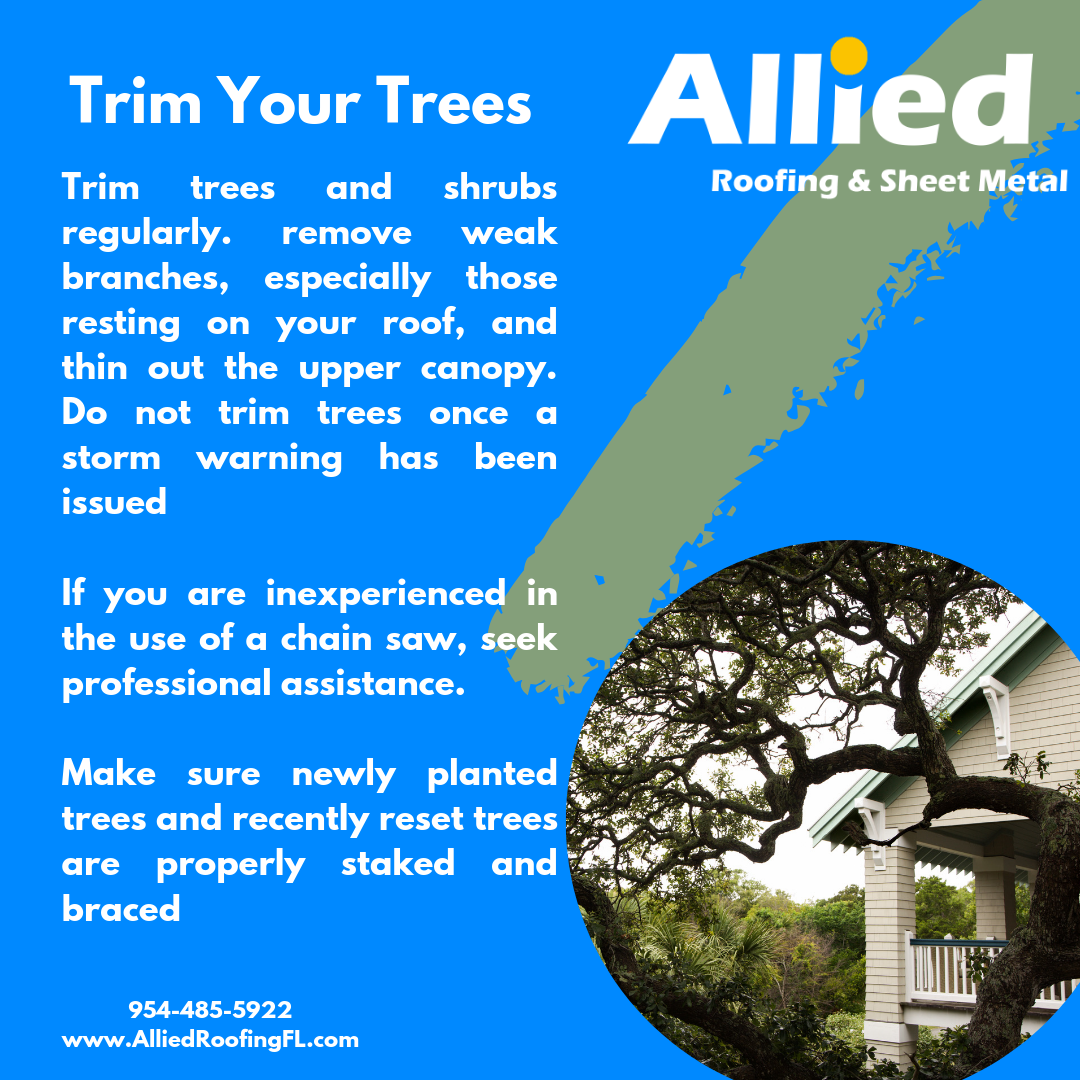
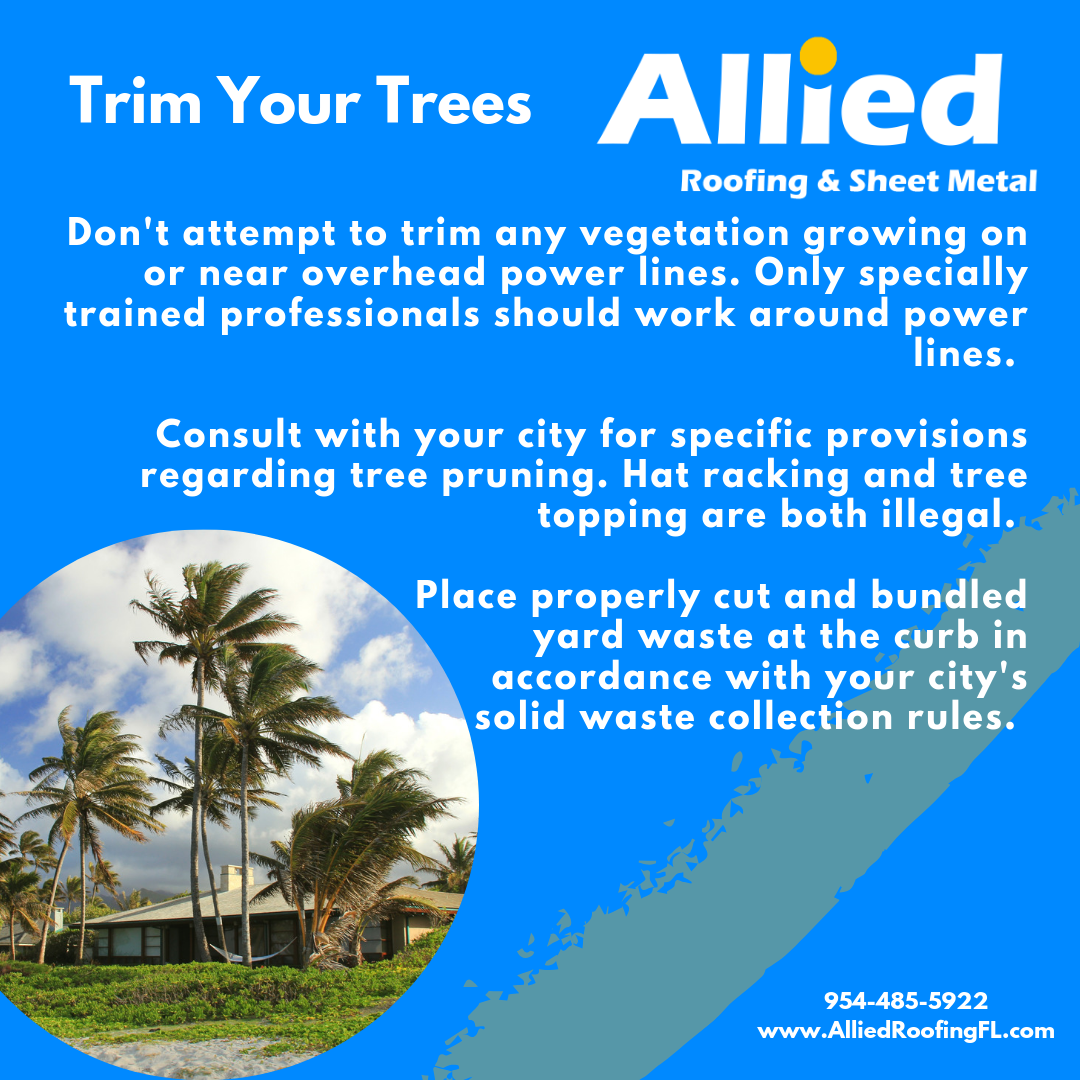
4. Trim Trees and Remove Overhanging Branches
Flying debris and falling tree limbs are a leading cause of roof damage during hurricanes.
Before the season begins:
-
Trim branches that hang over your home
-
Remove dead or weak trees
-
Clear palm fronds that can become windborne
Insurance companies often deny claims when damage comes from neglected trees.
5. Secure All Exterior Attachments
Anything connected to your roof or mounted against it should be inspected for stability.
This includes:
-
Satellite dishes
-
Solar panels
-
Antennas
-
Gutters
-
Turbine vents
-
Pipe boots
-
Decorative elements
Loose attachments can rip out shingles, tiles, or sections of metal panels.
6. Know Your Roof Type: Special Hurricane Considerations
Shingle Roofs (Most Common in South Florida)
Shingle roofs rely heavily on correct nailing patterns and fastening.
What to check before storms:
-
No lifted or curling shingles
-
No exposed nail heads
-
Proper ridge cap sealing
-
Intact underlayment
-
Valleys fully adhered
Shingles are most prone to wind uplift, so reinforcement matters.
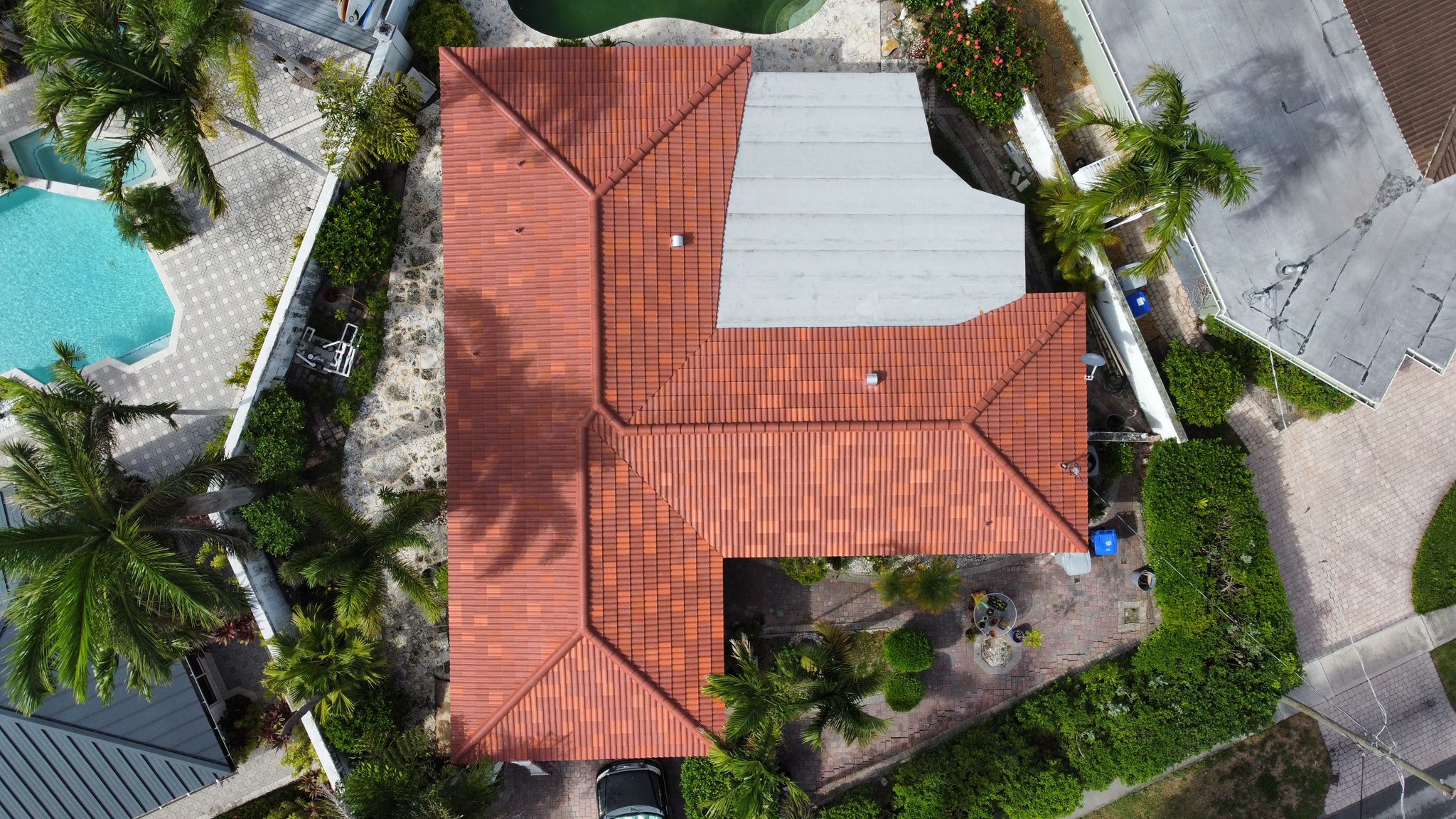
Tile Roofs (Heavy but Wind-Resistant When Installed Properly)
Tiles rarely fly off due to their weight—it’s the underlayment that usually fails.
Check for:
-
Cracked or loose tiles
-
Secure foam or mortar attachments
-
Blocked waterways
-
Underlayment age (tile roofs often hide unseen deterioration)
Tile roofs should be inspected by a roofer who understands HVHZ tile fastening standards.
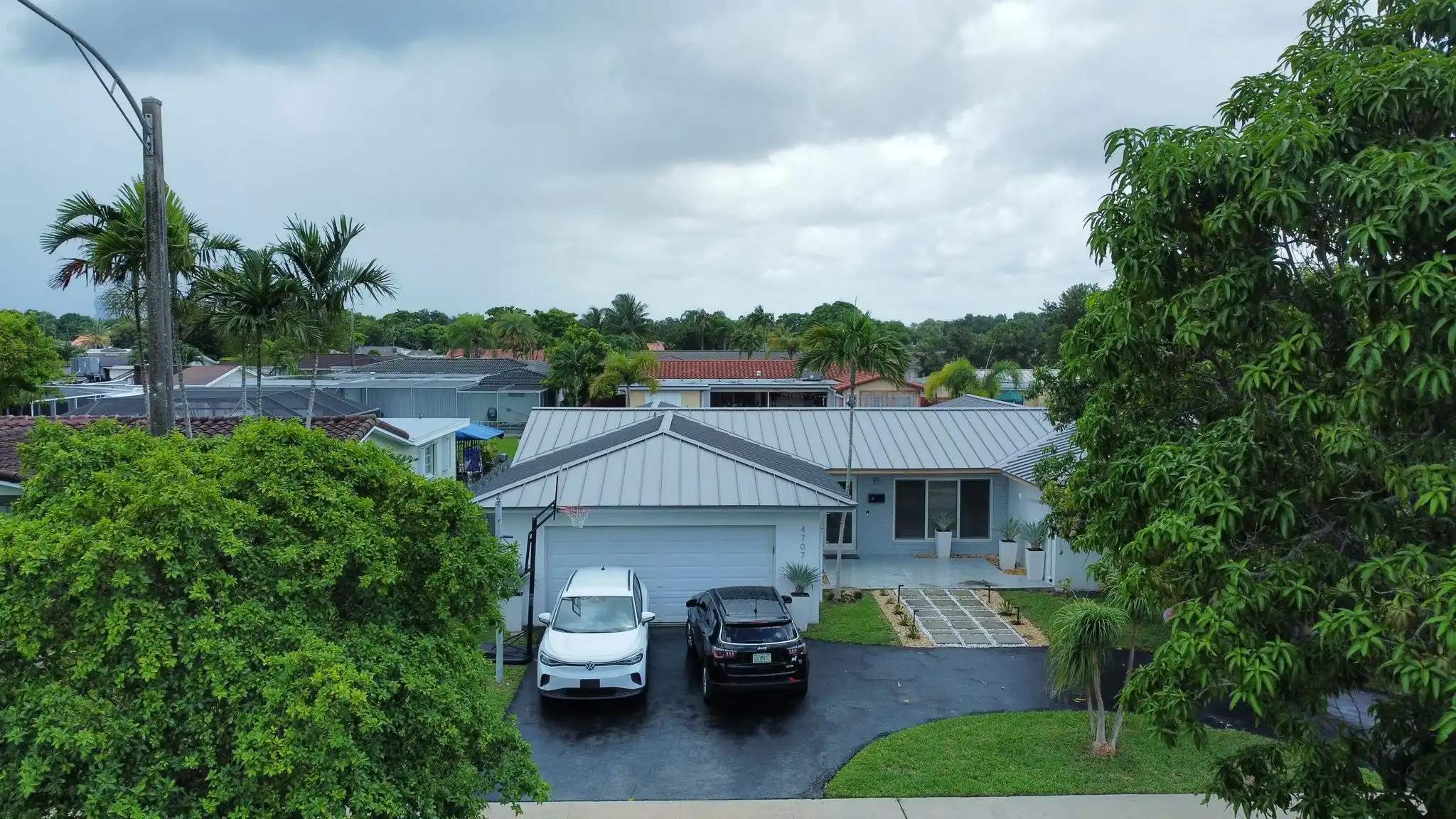
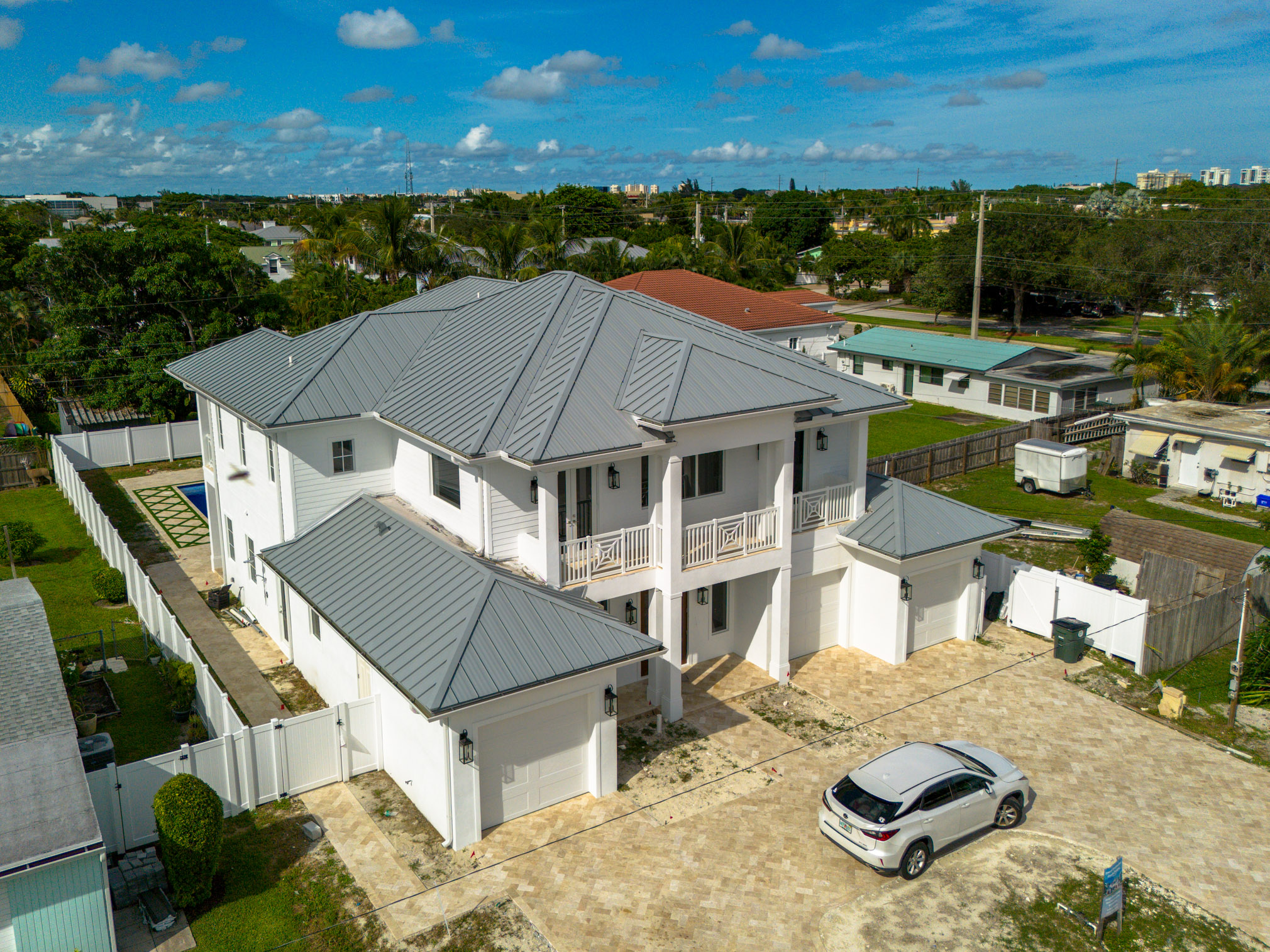
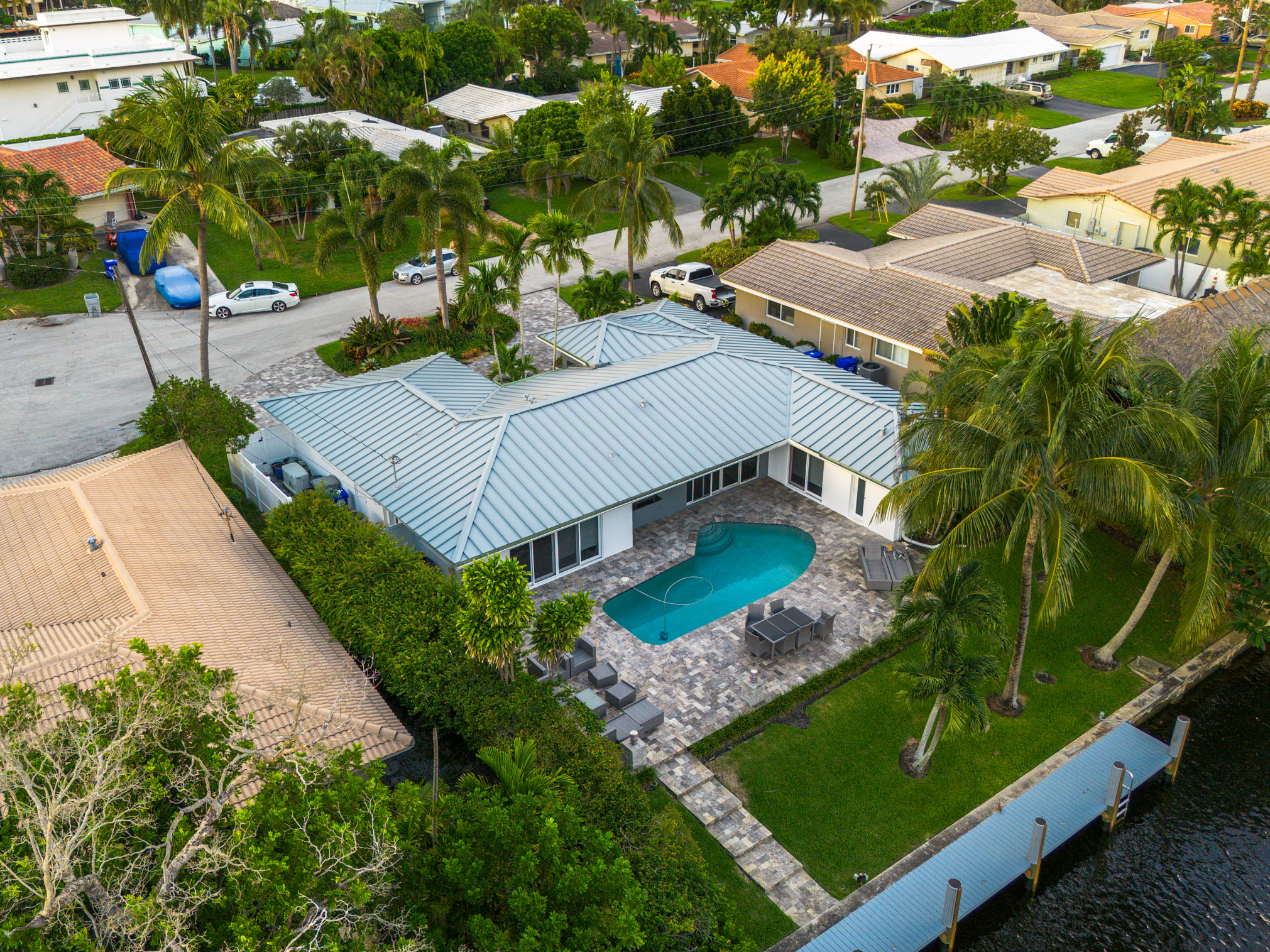
Metal Roofs (The Strongest Option for Hurricanes)
Metal roofs excel during hurricanes when properly installed. However:
Inspect:
-
Panel fasteners
-
Edge metal and drip flashing
-
Sealant lines
-
Expansion clips
-
Ridge vents and closures
Metal panels can lift if perimeter edges are compromised.
7. Check for Water Intrusion or Attic Weakness
Your attic can reveal problems your roof surface hides.
Look for:
-
Water stains
-
Light penetration
-
Mold or mildew
-
Wet insulation
-
Rodent entry points
-
Rust on nails or trusses
Any attic red flag means water is already getting in—and storms will make it worse.
8. Review Your Insurance Policy Before Hurricane Season
Roof coverage in Florida has become complicated. Many homeowners don’t realize:
-
Deductibles for hurricanes are higher than regular claims
-
Cosmetic roof damage is often excluded
-
Older roofs may have reduced coverage
-
Policies sometimes require proof of roof maintenance
Before June, confirm:
-
What wind uplift rating your roof is required to meet
-
How old your roof is according to your insurance
-
Whether your policy covers full replacement or actual cash value
-
Your hurricane deductible
9. Document Your Roof Condition (Critical for Insurance Claims)
Before storms:
-
Take clear, dated photos of your roof
-
Capture attic conditions
-
Record videos of exterior walls and rooflines
-
Save inspection paperwork
This protects you if you need to file a claim after a storm.
10. Consider Upgrading to a More Hurricane-Resistant Roof
If your roof is old, patching it may not be enough.
Best storm-resistant roofing options:
-
Metal Roofing – Highest wind resistance (up to 170+ mph in HVHZ)
-
Concrete or Clay Tile – Strong but dependent on underlayment condition
-
Architectural Shingles – Rated for higher wind loads than 3-tab
A modern roof built to post-Hurricane Andrew codes significantly increases your home’s safety.
11. Use Financing if Repairs Are Needed Before Storms
Many homeowners postpone repairs due to cost, but delaying can lead to larger losses.
Financing can help you:
-
Make needed repairs immediately
-
Replace an aging roof before hurricane season
-
Prevent expensive damage to your home interior
Allied Roofing and Sheet Metal offers simple financing options, which can break large repairs into manageable monthly payments with 0% or low interest rates.
12. Create a Post-Storm Roofing Plan (Before You Need It)
After storms, roofing companies get flooded with calls.
Plan ahead by:
-
Saving your contractor’s contact information
-
Preparing a folder for photos and receipts
-
Knowing where your insurance policy is
-
Scheduling a post-storm inspection before leaks appear
Being proactive prevents long delays after a hurricane hits.
Conclusion: The Roofs That Survive Hurricanes Are the Ones Maintained Year-Round
Florida homeowners live in one of the most hurricane-prone regions in the world. The best way to protect your home, family, and investment is with consistent roof maintenance and professional inspections before storms form.
A prepared roof:
-
Reduces the risk of expensive water damage
-
Stands up better to high winds
-
Keeps your insurance coverage strong
-
Extends your roof’s lifespan
-
Gives you peace of mind during hurricane season
If you’re unsure where your roof stands, now is the time to schedule an inspection, or give us a call at 954-485-5922 before the first storm of the 2026 season appears on the radar.