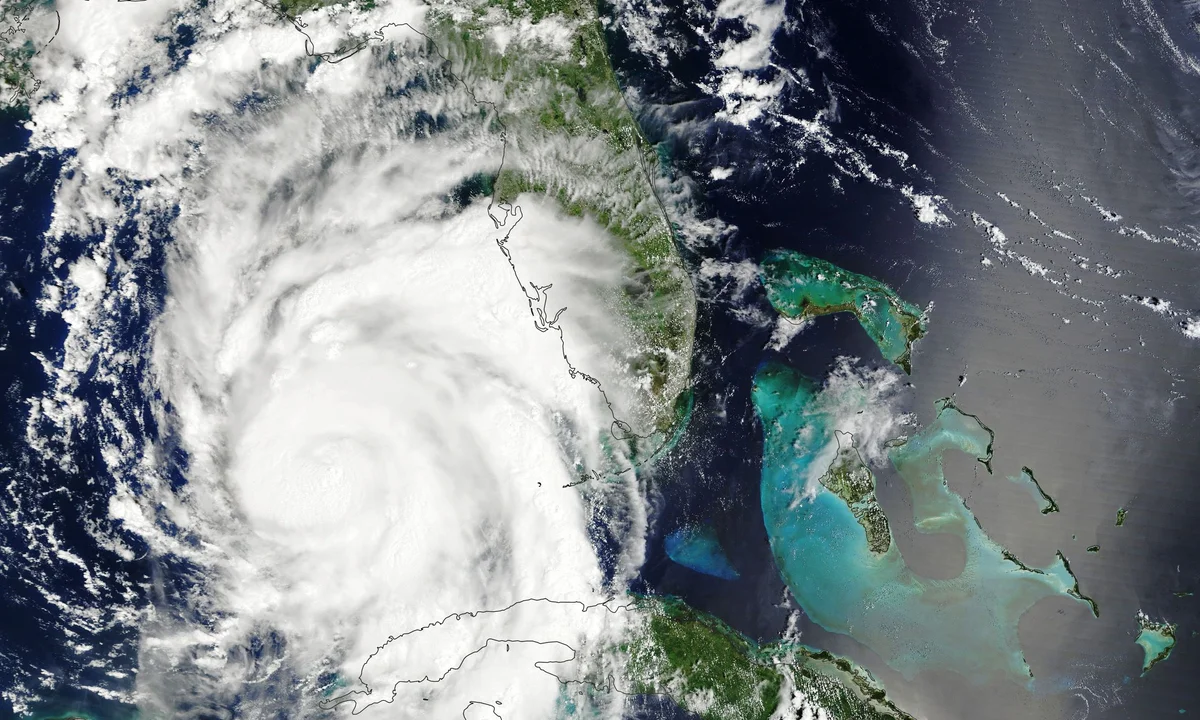
Roofing Scams Spike After Storms: Here’s Why
Major storms and hurricane seasons bring two things: urgent home repair needs and roofing scams targeting desperate homeowners. Over the last few years, South Florida news outlets have reported dozens of cases where homeowners paid contractors thousands of dollars, received unfinished work, or nothing at all. These scams leave families with damaged roofs, lost money, and little recourse. Check this news report from a local roofing company here
In this guide, we break down the most common roofing scams in South Florida, how they work, and how you can protect yourself and your home.
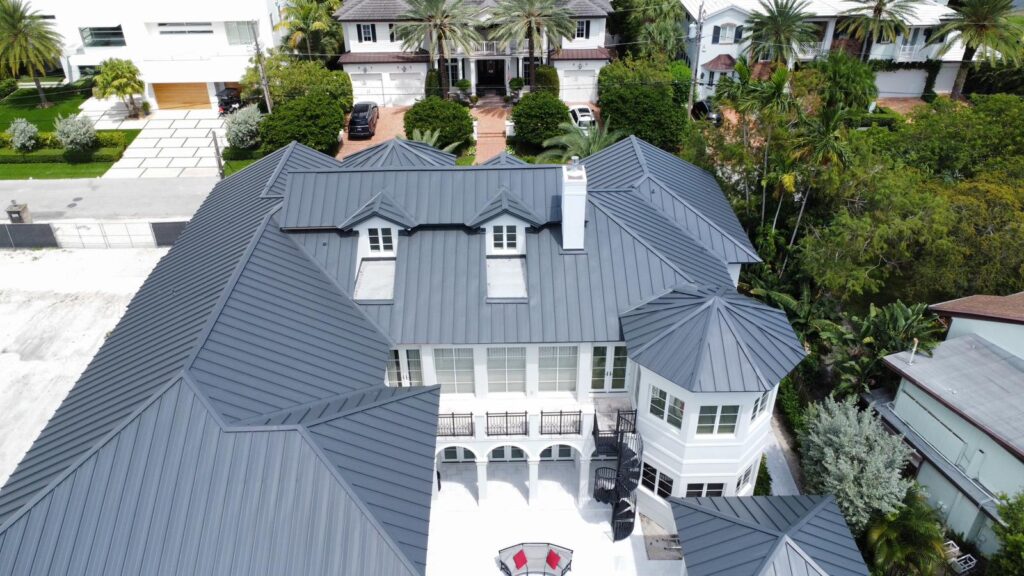
1. Upfront Payment Scams: Money Gone, Work Never Started
One of the most common scams in Florida involves companies that take a large deposit upfront and never complete the job.
In a widely reported case, dozens of homeowners in St. Lucie County paid thousands to a roofing contractor after storm damage, yet the work never began — and some roofs remain covered with tarps long after payment. You can read more about it here.
Red flags:
-
Contractor asks for large sums (20%+) before permits are pulled
-
No contract signed before payment
-
No clear start date
How to protect yourself:
A legitimate contractor will always provide a written contract, pull permits, and begin work on a reasonable timeline.
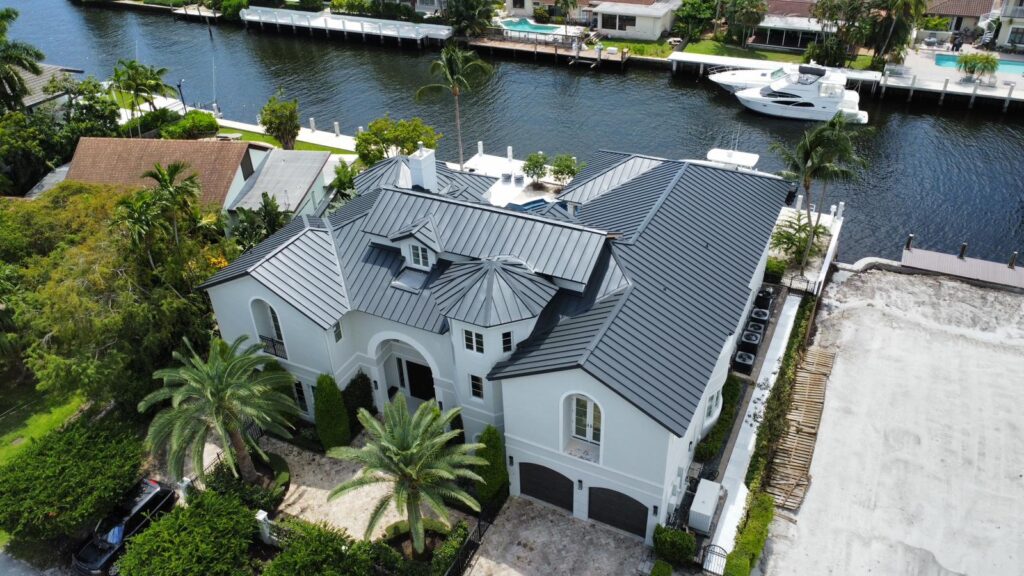
2. Impersonation Scams: They Look Legit, But They’re Not
Scammers sometimes pose as real, reputable companies. They use:
-
Company names
-
Logos on shirts or flyers
-
Fake license numbers
In one South Florida case, homeowners were approached by someone claiming to be from a reputable roofing company complete with branded shirts and business cards, only to find out later the real company had nothing to do with the job. Check the story here
Common tactics:
-
Using another company’s license number
-
Showing fake proof of insurance
-
Asking for payment through Zelle or cash
Protect yourself:
Always verify the contractor’s information through official licensing sites (like Florida DBPR) and call the company’s published number not the number given by the person at your door.
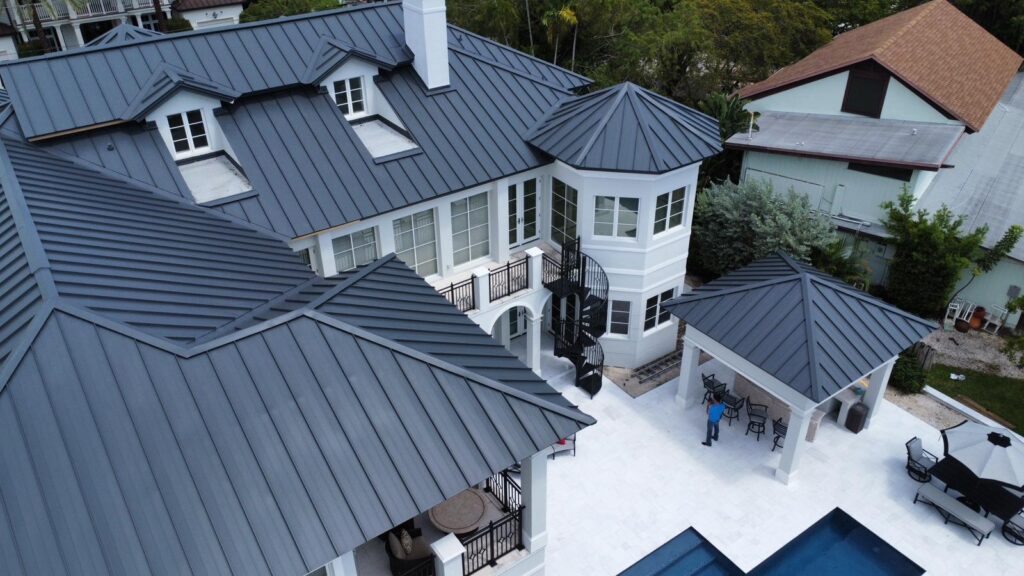
3. “Free Inspection” Traps
After storms, many scam artists offer “free roof inspections” to get inside your home or attic.
The Better Business Bureau has issued scam alerts warning Florida homeowners that these free services are often just a tactic to sell unneeded repairs or gather personal information.
Watch for signs:
-
Pressure tactics (“We’ll lose the discount if you don’t sign today”)
-
Claims your roof is unsafe without evidence
-
No written report provided
What to do instead:
Schedule inspections with licensed, local roofing contractors you vetted ahead of time.
4. Insurance-Related Scams
Some scammers exploit insurance claims by pressuring homeowners to sign over control of their claim (although Assignment of Benefits is no longer allowed in Florida), or by exaggerating damage to inflate invoices.
Florida’s Chief Financial Officer has repeatedly warned residents to never sign anything until you understand your policy and your contractor’s role. Read more about it here
Warning signs:
-
Contractor asks for control of your insurance check
-
They say you must use them to file a claim
-
They recommend a public adjuster they work with exclusively
How to protect yourself:
Talk directly with your insurance agent before agreeing to work or signing documents.
5. Broken Contractors & Abandoned Projects
In some cases, companies take money and start work, then vanish or complete shoddy installations.
This has happened in South Florida, where homeowners paid deposits for roof work, only to have contractors disappear, leave roofs unfinished, or fail to pull permits. Read about this case here
Some companies have blamed internal fraud or mismanagement, but the result is the same: homeowners left with partial work and added stress.
6. Lien Abuse & Secondary Financial Damage
When scam contractors leave jobs unfinished, it’s not just the roof that suffers, homeowners sometimes face liens from third parties like dumpster or material suppliers. These liens can:
-
Block home sales
-
Prevent refinancing
-
Damage credit
This has been reported in multiple South Florida counties after storm seasons.
Top Warning Signs of Roofing Scams
Here’s a quick checklist to protect yourself:
✔ No written contract
✔ Excessive upfront payments
✔ No physical business address
✔ Requests for Zelle, cash, or unusual payment methods
✔ Pressured to sign immediately
✔ No permit pulling or vague timeline
✔ Claiming they already know your insurance will pay
How to Verify a Contractor in Florida
Before you sign anything:
🔹 Check their license status on the Florida Department of Business & Professional Regulation (DBPR) website
🔹 Confirm insurance certificates (liability and workers comp)
🔹 Ask for references and past project photos
🔹 Get multiple estimates
🔹 Never hire someone who shows up uninvited after a storm
What to Do If You’ve Been Scammed
If you already suspect you were scammed:
📌 Contact the Florida DBPR to file a complaint
📌 Report the incident to your insurance agent
📌 File a police report for fraud/theft
📌 Consult an attorney experienced in construction/contract law
This protects you and helps others avoid the same scam.
Roofing scams in South Florida are real, and they’re increasingly common after major storms and hurricane seasons. These bad actors prey on urgency and fear, not on honest homeowner needs.
By knowing the warning signs, verifying credentials, and choosing trusted professionals, you can protect your home, your wallet, and your peace of mind.
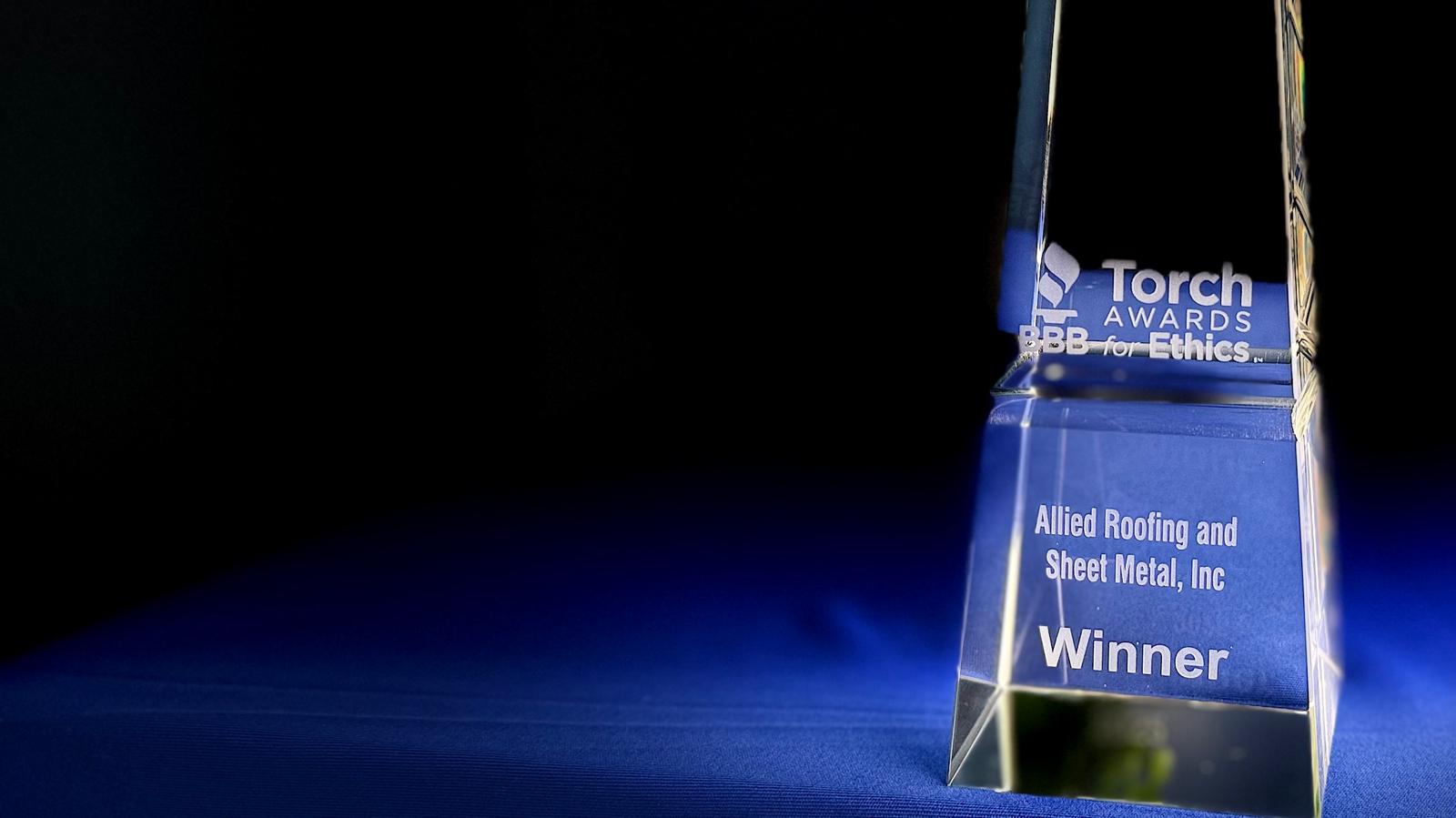
If you’re unsure about a contractor or simply want a second opinion on a roofing estimate, contact Allied Roofing & Sheet Metal today. We’ll give you a clear, honest assessment, no pressure, no red flags, just expert guidance.