How a Hurricane-Resistant Roof May Help Lower Homeowners Insurance in South Florida
Florida homeowners are facing rising insurance premiums, stricter underwriting requirements, and more frequent policy inspections than ever before. One of the most effective ways to potentially lower your insurance costs while protecting your home is by installing a hurricane-rated roofing system.
For homeowners in South Florida communities like Boca Raton, Lighthouse Point, Parkland, Fort Lauderdale, Coral Springs, Deerfield Beach, Pompano Beach, Plantation, and Delray Beach, a properly installed hurricane-rated roof can provide both structural protection and insurance-related benefits.
Homeowners are often surprised to learn that the roofing system itself can directly affect both insurability and long-term insurance costs.
At Allied Roofing & Sheet Metal, we often receive questions such as:
- Do insurance companies really offer discounts for hurricane-rated roofs?
- What qualifies as a hurricane-rated roofing system?
- Will a new roof lower my homeowners insurance?
- Does the roof need to meet specific Florida codes?
- What documentation is required?
This guide explains how hurricane-rated roofs may affect insurance premiums, what roofing features insurers look for, and how Florida homeowners can maximize potential savings.
What Is a Hurricane-Rated Roof in Florida?
A hurricane-rated roof in Florida is specifically designed to meet strict wind resistance and building code requirements for severe tropical weather conditions.
Many homeowners searching for “hurricane proof roof Florida” or “best roof for hurricanes in South Florida” are typically looking for roofing systems engineered to withstand high winds, heavy rain, and flying debris during hurricane season.
A hurricane-rated roof is a roofing system designed and installed to resist:
- High wind uplift
- Wind-driven rain
- Flying debris impact
- Structural movement during severe storms
- Water intrusion during hurricanes and tropical storms
In Florida, especially in High Velocity Hurricane Zones (HVHZ), roofing systems must meet strict building code requirements.
A hurricane-rated roofing system typically includes:
- Enhanced roof deck attachment
- Secondary water barrier or peel-and-stick underlayment
- Approved roofing materials
- High-wind fastening systems
- Proper flashing details
- Miami-Dade or Florida Product Approval compliance
- Code-compliant installation methods
Simply having a “new roof” does not automatically mean the roof qualifies for maximum insurance credits.
The installation quality, permit documentation, inspection approvals, and roofing components all matter.
Why Florida Insurance Companies Care About Your Roof
For insurance carriers, the roof is one of the most important parts of the home.
During hurricanes, roof failures are one of the leading causes of:
- Major water damage
- Interior destruction
- Mold claims
- Structural losses
Homes with stronger roofing systems statistically present lower risk to insurance companies.
Because of this, many Florida insurance carriers may offer discounts or mitigation credits when a home has qualifying hurricane-resistant features.
These discounts are commonly connected to:
- Roof age
- Wind mitigation features
- Roof shape
- Roof deck attachment
- Secondary water resistance
- Opening protection
- Roofing material approval
The exact discount varies depending on:
- The insurance company
- Home location
- Roof type
- Existing policy
- Wind mitigation inspection results
- Home age and construction type
What Is a Wind Mitigation Inspection in Florida?
A wind mitigation inspection is a specialized inspection used by insurance companies to evaluate how resistant a home is to hurricane damage.
After installing a qualifying roof, homeowners may hire a licensed inspector to complete a wind mitigation report.
The inspector evaluates features such as:
Roof Covering
The roofing material must comply with the Florida Building Code.
Examples include:
- Tile roofs
- Metal roofs
- Architectural shingles
- Flat roofing systems
Roof Deck Attachment
The inspector checks how the plywood or decking is attached to the structure.
Stronger fastening patterns can increase potential credits.
Secondary Water Resistance
This refers to additional waterproofing layers installed beneath the roofing material.
In South Florida, peel-and-stick underlayment systems are commonly used because they help reduce water intrusion if roofing materials are damaged during storms.
Roof-to-Wall Connections
The inspector evaluates how the roof structure connects to the walls.
Features such as hurricane straps or clips may improve mitigation ratings.
Roof Geometry
Hip roofs generally perform better in high winds than gable roofs.
Homes with hip roof designs may qualify for additional insurance savings.
How Much Can a New Roof Lower Insurance in Florida?
Insurance savings vary significantly.
Some homeowners may see modest reductions, while others may receive substantial mitigation credits depending on the home’s overall construction.
Potential savings are influenced by:
- Roof replacement date
- Permit history
- Hurricane-resistant features
- Age of the home
- Existing roof condition
- Full wind mitigation inspection results
- Insurance carrier guidelines
In many cases, a newer hurricane-rated roof can also help homeowners:
- Maintain insurability
- Avoid policy cancellation
- Reduce underwriting concerns
- Improve eligibility for coverage
This has become increasingly important in Florida’s challenging insurance market.
Best Hurricane-Resistant Roofing Systems in South Florida
Not all roofing systems perform equally during hurricanes.
Below are some of the most popular hurricane-resistant roofing systems in South Florida.
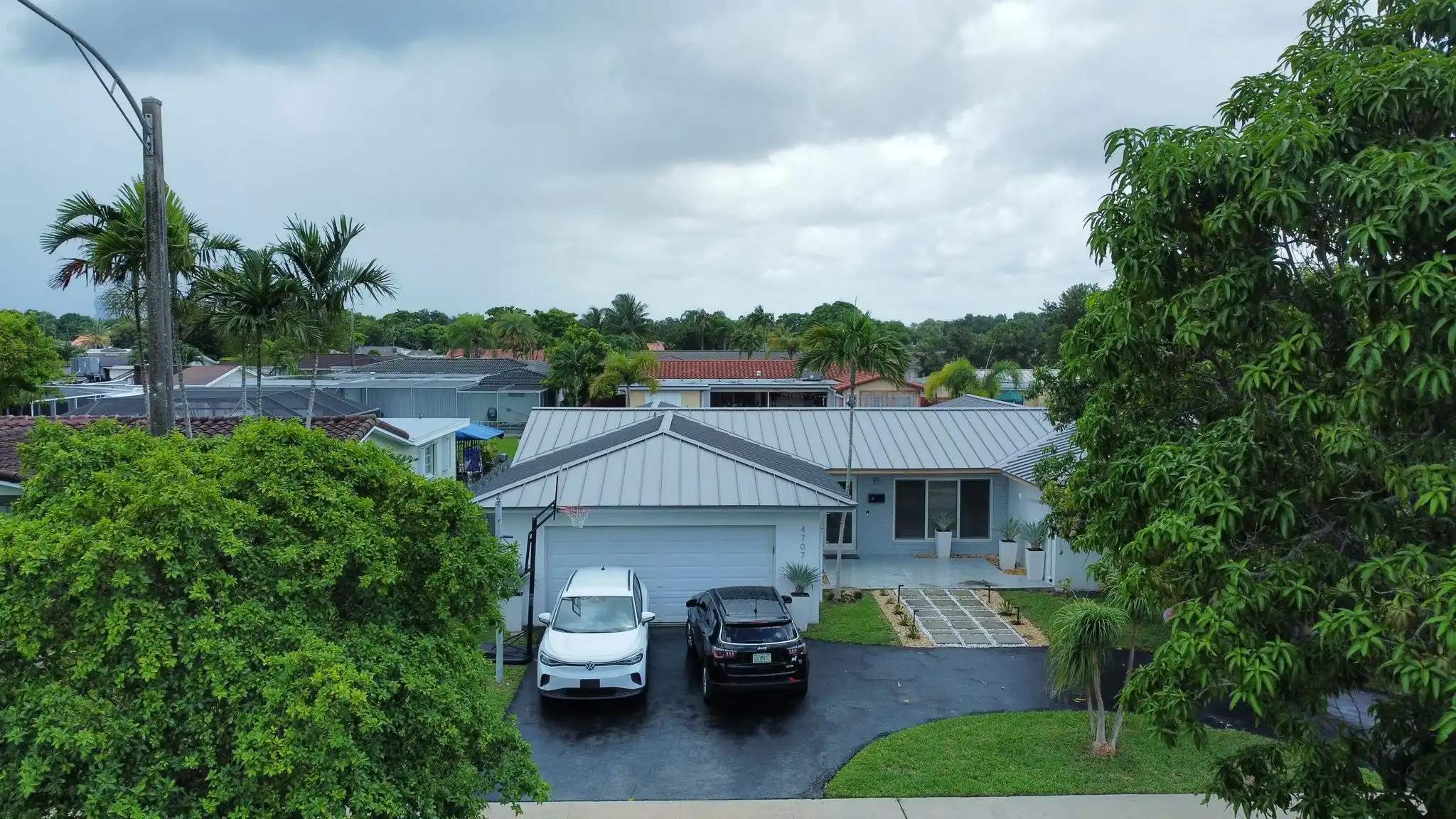
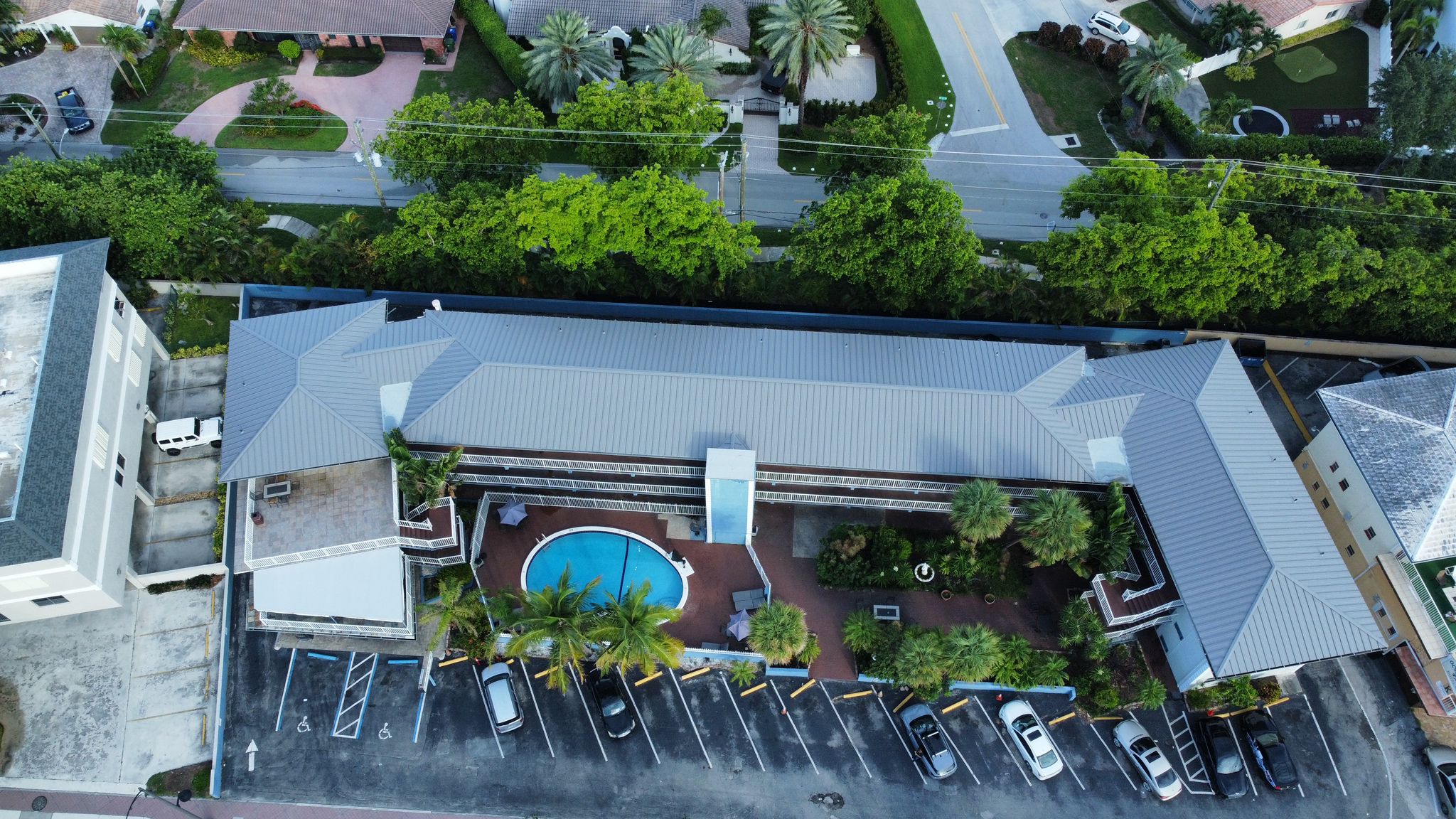
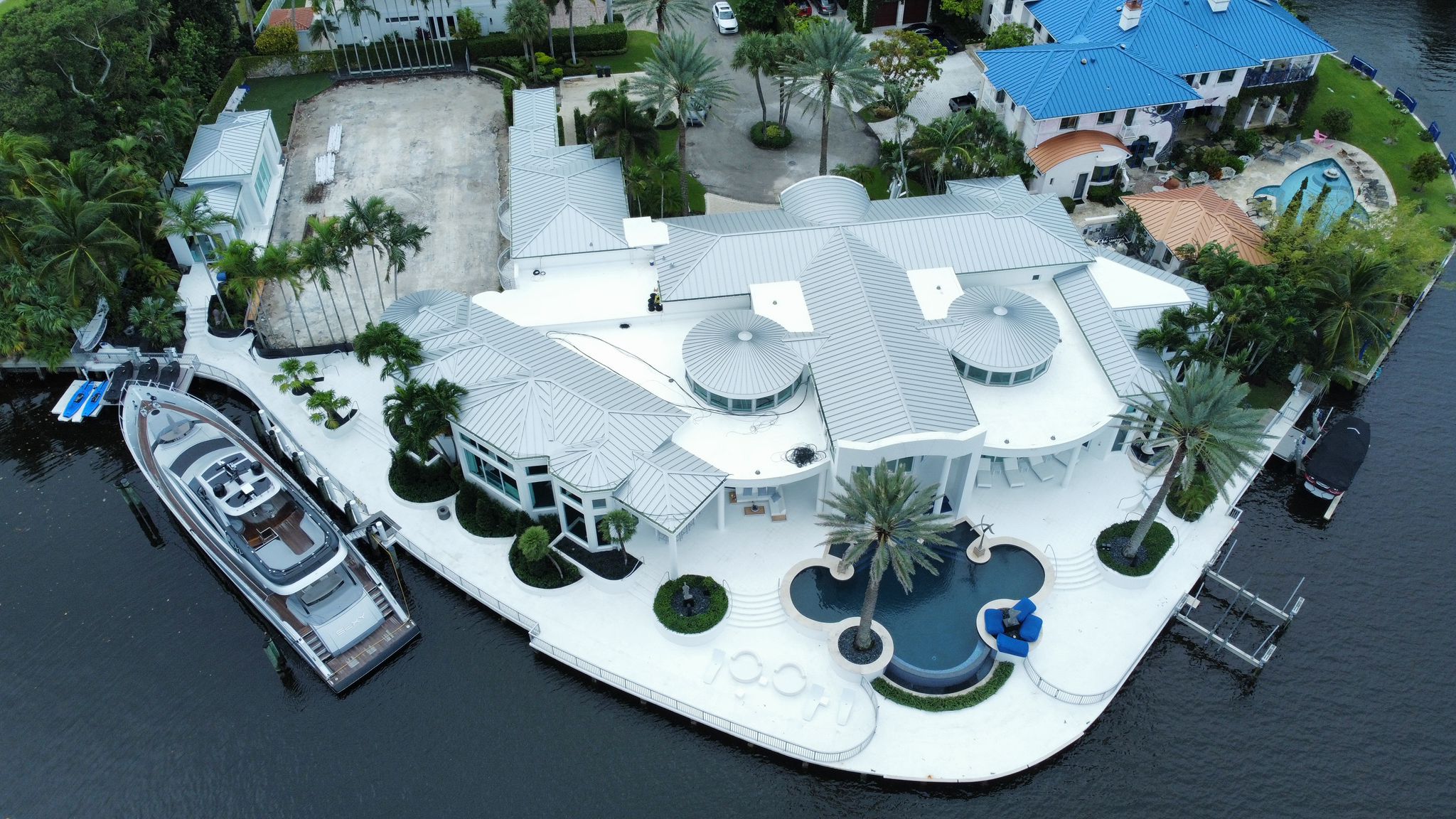
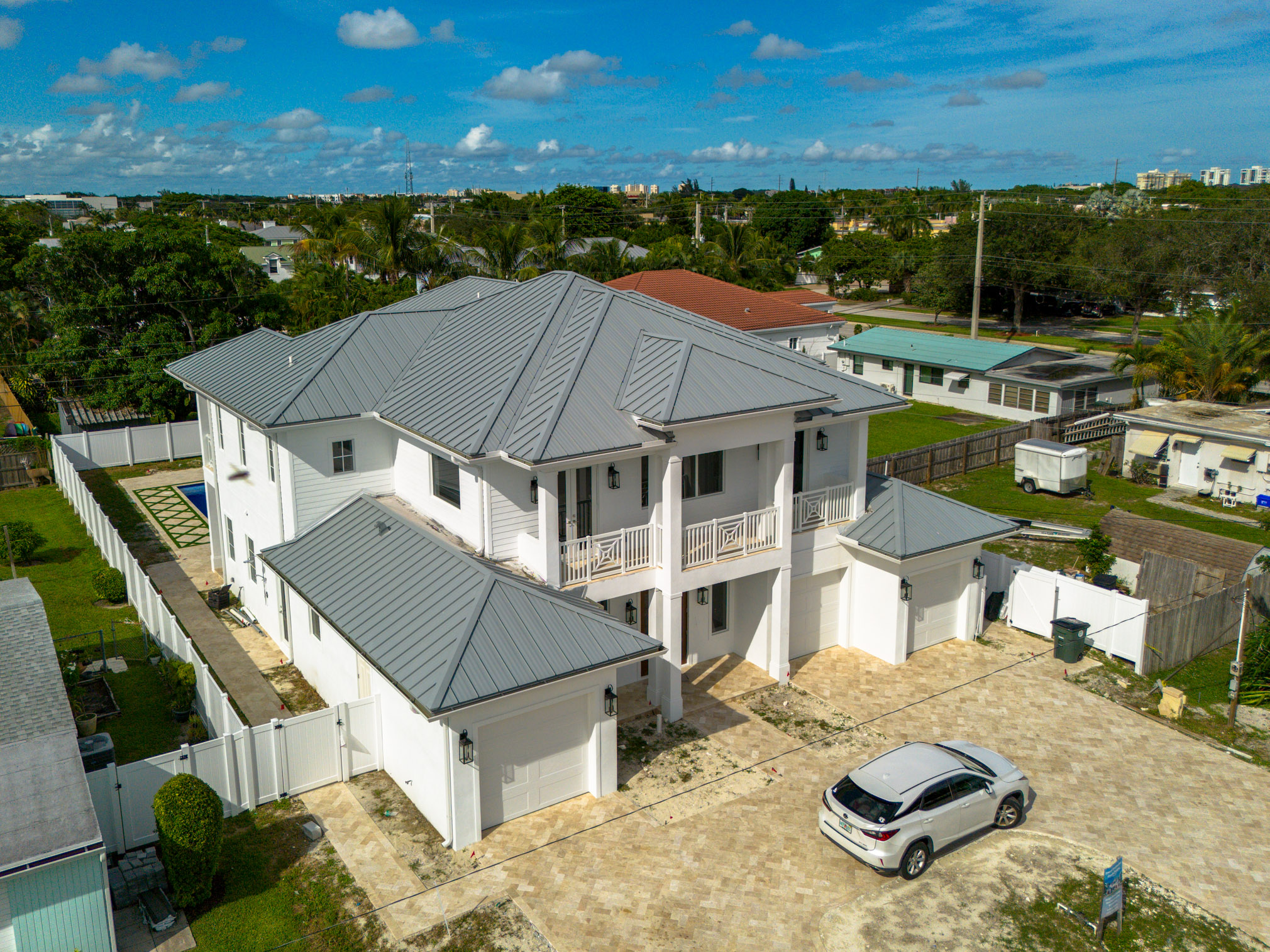
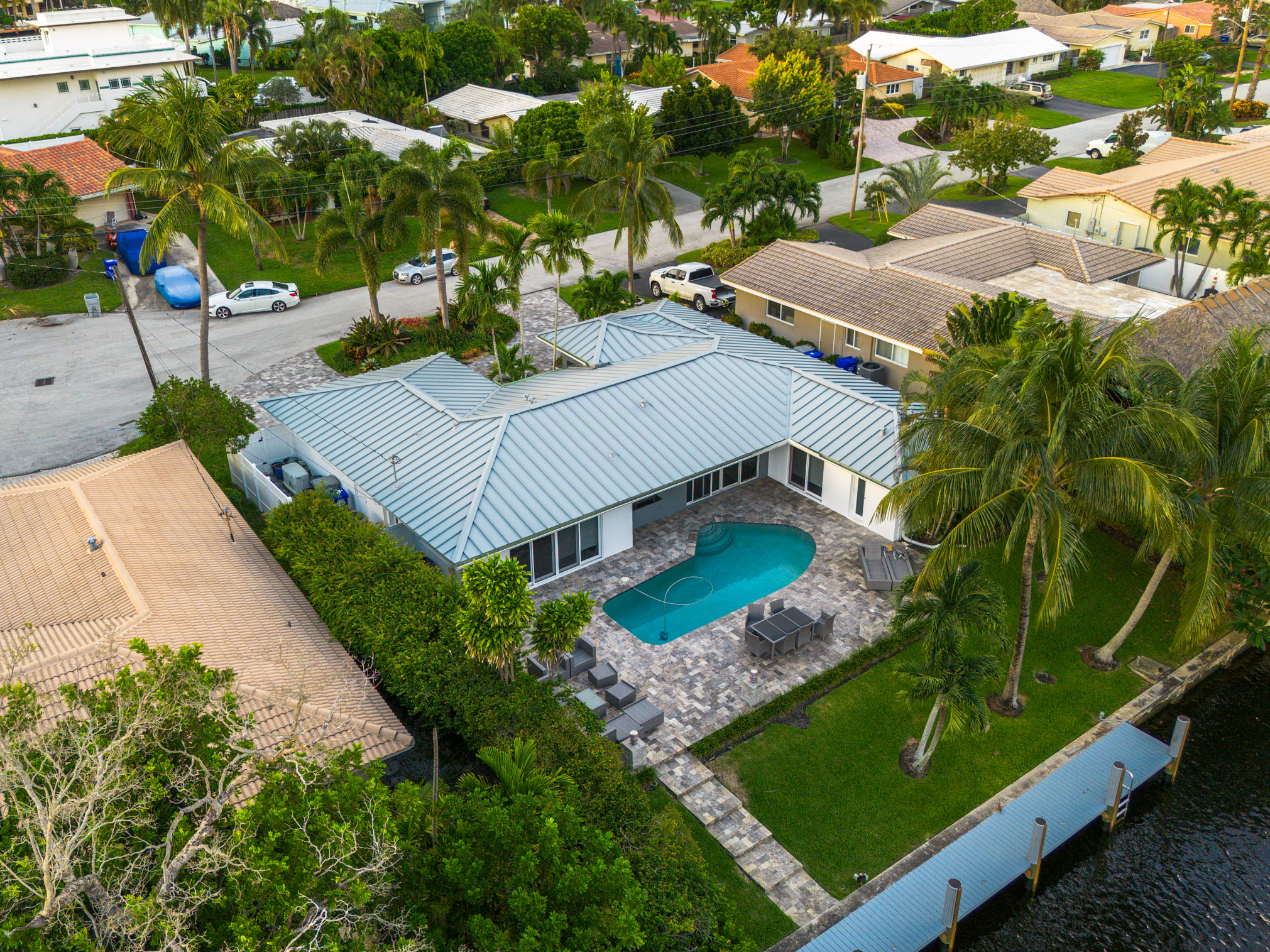
Metal Roofs for Hurricane Protection in Florida
Metal roofing systems are among the most wind-resistant options available.
Benefits include:
- Excellent wind uplift resistance
- Long lifespan
- Lightweight construction
- Energy efficiency
- Strong performance during hurricanes
- Modern architectural appearance
Standing seam metal roofs are especially popular in coastal communities because they combine durability with a clean, luxury appearance.
When properly installed, many metal roofing systems can withstand extremely high wind speeds.
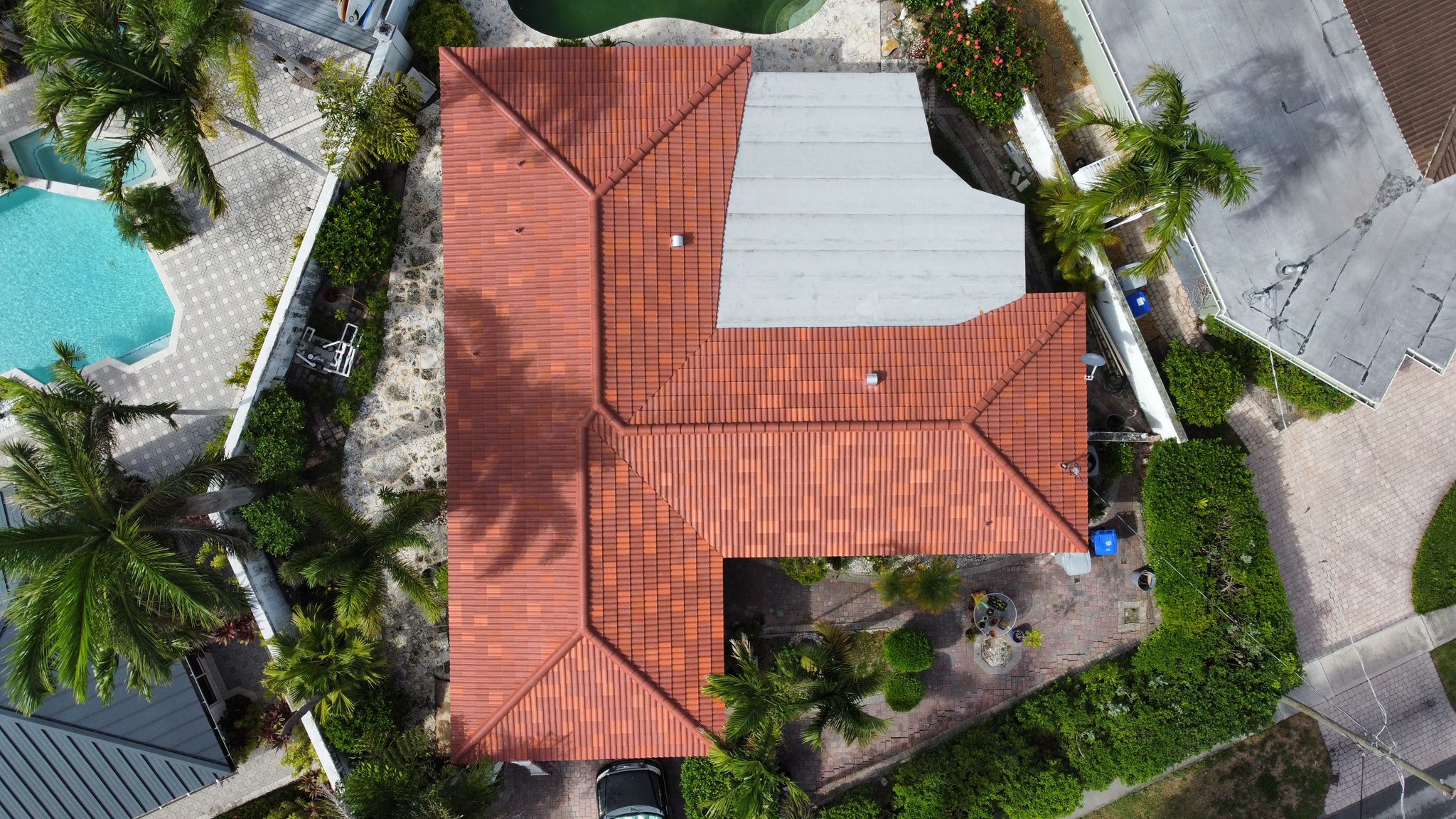
Tile Roofs for South Florida Homes
Concrete and clay tile roofs are common throughout South Florida.
Benefits include:
- Strong curb appeal
- Excellent durability
- Long service life
- Good resistance to UV exposure
- High-end appearance
However, installation quality is critical.
Incorrect fastening methods can significantly reduce wind resistance.
Tile roofs in Florida should always be installed according to manufacturer specifications and local building code requirements.
Architectural Shingle Roofs in Florida
Modern architectural shingles offer improved wind ratings compared to older 3-tab shingles.
Benefits include:
- Lower upfront cost
- Wide design selection
- Improved wind resistance
- Good value for many homeowners
Premium architectural shingles may include enhanced wind warranties when installed with upgraded fastening systems.
Flat Roofing Systems for Florida Properties
For flat and low-slope roofs, commercial-grade systems such as TPO or modified bitumen are commonly used.
Proper installation is essential because flat roofs are especially vulnerable to ponding water and uplift pressures during storms.
A properly engineered flat roofing system can provide strong hurricane resistance when designed correctly.
Why Roofing Documentation Matters for Insurance Discounts
Many homeowners do not realize that insurance discounts often depend heavily on documentation.
Insurance companies may request:
- Roofing permits
- Final inspection approvals
- Product approvals
- Wind mitigation reports
- Contractor invoices
- Proof of installation date
If the roofing work was completed without permits or proper documentation, homeowners may not qualify for certain credits.
This is one reason why choosing a licensed and reputable roofing contractor is extremely important.
Common Mistakes Florida Homeowners Make When Replacing a Roof
Choosing the Cheapest Roofing Proposal
Low-cost roofing proposals sometimes exclude:
- Secondary water barriers
- Upgraded fastening systems
- Proper flashing details
- Code-required improvements
- Permit requirements
A cheaper roof installation may cost more long-term if it leads to:
- Reduced hurricane performance
- Insurance issues
- Failed inspections
- Water intrusion problems
- Shortened roof lifespan
Assuming All Roofs Qualify for Discounts
Not every roof automatically qualifies for insurance credits.
The roofing system must typically meet specific standards verified through inspection and documentation.
Ignoring Roof Age
In Florida, roof age has become a major underwriting factor.
Even if an older roof appears visually acceptable, insurance companies may still:
- Increase premiums
- Limit coverage
- Require replacement
- Decline policy renewals
Replacing an aging roof before problems arise can help avoid emergency situations.
Why Proper Roof Installation Matters in South Florida
Even premium roofing materials can fail if installation is poor.
At Allied Roofing & Sheet Metal, we emphasize:
- Manufacturer-compliant installation
- Florida code compliance
- Proper flashing systems
- High-wind fastening methods
- Thorough inspections
- Detailed project documentation
In hurricane-prone areas, workmanship quality is one of the most important factors affecting long-term roof performance.
Should You Replace Your Roof for Insurance Reasons?
For many Florida homeowners, the answer may be yes.
A newer hurricane-rated roof can potentially:
- Improve insurability
- Increase property value
- Lower storm-related risk
- Improve energy efficiency
- Reduce maintenance concerns
- Potentially qualify for insurance discounts
- Provide greater peace of mind during hurricane season
However, timing and roofing system selection matter.
Homeowners should evaluate:
- Current roof condition
- Insurance renewal concerns
- Long-term ownership plans
- Hurricane exposure
- Budget
- Material lifespan
The cheapest short-term option is not always the best financial decision over the life of the roof.
Hurricane-Rated Roofing for Boca Raton, Fort Lauderdale & South Florida Homes
South Florida homes face some of the harshest roofing conditions in the country.
Between:
- Hurricane-force winds
- Salt air exposure
- Intense UV radiation
- Heavy rainfall
- High humidity
Roofing systems must be built to withstand extreme conditions.
That is why homeowners in cities such as:
- Boca Raton
- Lighthouse Point
- Parkland
- Fort Lauderdale
- Coral Springs
- Deerfield Beach
- Pompano Beach
- Plantation
should prioritize quality roofing systems designed specifically for Florida weather.
Final Thoughts
A hurricane-rated roof is not only about storm protection.
It can also play an important role in:
- Insurance eligibility
- Potential premium reductions
- Home value
- Long-term durability
- Risk reduction
While insurance savings vary by carrier and property, investing in a properly installed, code-compliant roofing system can provide significant long-term benefits.
For Florida homeowners, roofing decisions should never be based solely on the lowest proposal.
The quality of materials, installation methods, permits, documentation, and contractor experience all directly affect roof performance and potential insurance advantages.
Need Help Evaluating Your Roof?
At Allied Roofing & Sheet Metal, we specialize in hurricane-resistant roofing systems designed for South Florida homes.
We install:
- Metal roofs
- Tile roofs
- Shingle roofs
- Flat roofing systems
using high-quality materials and Florida code-compliant installation methods.
If you are considering a roof replacement and want to understand how a new roof may affect your insurance eligibility and hurricane protection, contact our team for a professional evaluation.