A Florida Homeowner’s Guide to Grant Eligibility, Roof Requirements, and Insurance Savings
If you’re a Florida homeowner considering a roof replacement, you may be able to receive thousands of dollars in financial assistance through the My Safe Florida Home Program. This state-sponsored initiative helps homeowners strengthen their homes against hurricanes while potentially lowering insurance premiums.
However, not every roof qualifies for grant funding.
Understanding what makes a roof eligible can help you plan your project correctly, avoid costly mistakes, and maximize the benefits available through the program.
In this guide, we’ll explain exactly what inspectors look for, which roofing systems qualify, and how a new roof can improve both your home’s protection and insurance profile.
What Is the My Safe Florida Home Program?
The My Safe Florida Home Program was created to help Florida homeowners reduce hurricane damage by improving key structural components of their homes.
After a state-sponsored inspection identifies eligible improvements, homeowners may receive matching grant funds to complete recommended upgrades.
The program focuses heavily on roof-related improvements because the roof is often the most vulnerable part of a home during severe weather events.
Eligible upgrades can help homeowners:
- Increase hurricane resistance
- Reduce the risk of water intrusion
- Improve overall home safety
- Qualify for insurance discounts
- Increase property value
- Potentially receive grant funding for approved improvements
Why Roofs Matter Most During Hurricanes
According to wind engineering studies, roof failures are one of the leading causes of catastrophic hurricane damage.
When a roof system fails, wind and water can rapidly enter the home, causing structural damage, mold growth, ruined interiors, and expensive repairs.
Because of this, Florida’s grant program prioritizes roofing improvements that strengthen the home’s wind resistance.
The stronger your roof system, the better your home can withstand hurricane-force winds.
What Makes a Roof Eligible?
Several factors determine whether a roof qualifies for grant-funded improvements.
1. Roof-to-Wall Connections
One of the most important items inspectors evaluate is how the roof structure is attached to the walls.
Common connection types include:
- Toe-nails
- Clips
- Single wraps
- Double wraps
Homes with weaker connections may qualify for upgrades designed to improve wind resistance.
Stronger roof-to-wall connections can significantly improve a home’s ability to withstand uplift forces during hurricanes.
2. Secondary Water Resistance (SWR)
Secondary Water Resistance is a protective barrier installed beneath the roof covering.
This additional layer helps prevent water intrusion if shingles, tiles, or metal panels become damaged during a storm.
Many older homes do not have Secondary Water Resistance.
Adding this protection during a roof replacement may qualify as an eligible mitigation improvement under the program.
Benefits include:
- Reduced risk of interior water damage
- Better hurricane protection
- Improved insurance mitigation credits
- Increased home resilience
3. Compliance With Current Florida Building Code
Older roofs often fail to meet current Florida building code requirements.
A roof replacement that brings the home into compliance with modern standards may improve eligibility for grant-related benefits.
Current code requirements often include:
- Enhanced fastening patterns
- Improved underlayment systems
- Modern flashing details
- Increased wind-load resistance
- Updated installation methods
4. Roof Covering Condition
The overall condition of the roof may also impact eligibility.
Inspectors evaluate factors such as:
- Roof age
- Visible deterioration
- Wind damage
- Water intrusion issues
- Remaining useful life
A severely aged roof may not qualify for certain mitigation credits until replacement work is completed.
5. Hurricane-Rated Roofing Systems
Modern roofing systems are designed to perform significantly better than older installations.
Eligible improvements often involve installing roofing systems that meet Florida’s current wind-resistance standards.
Common options include:
Metal Roofing
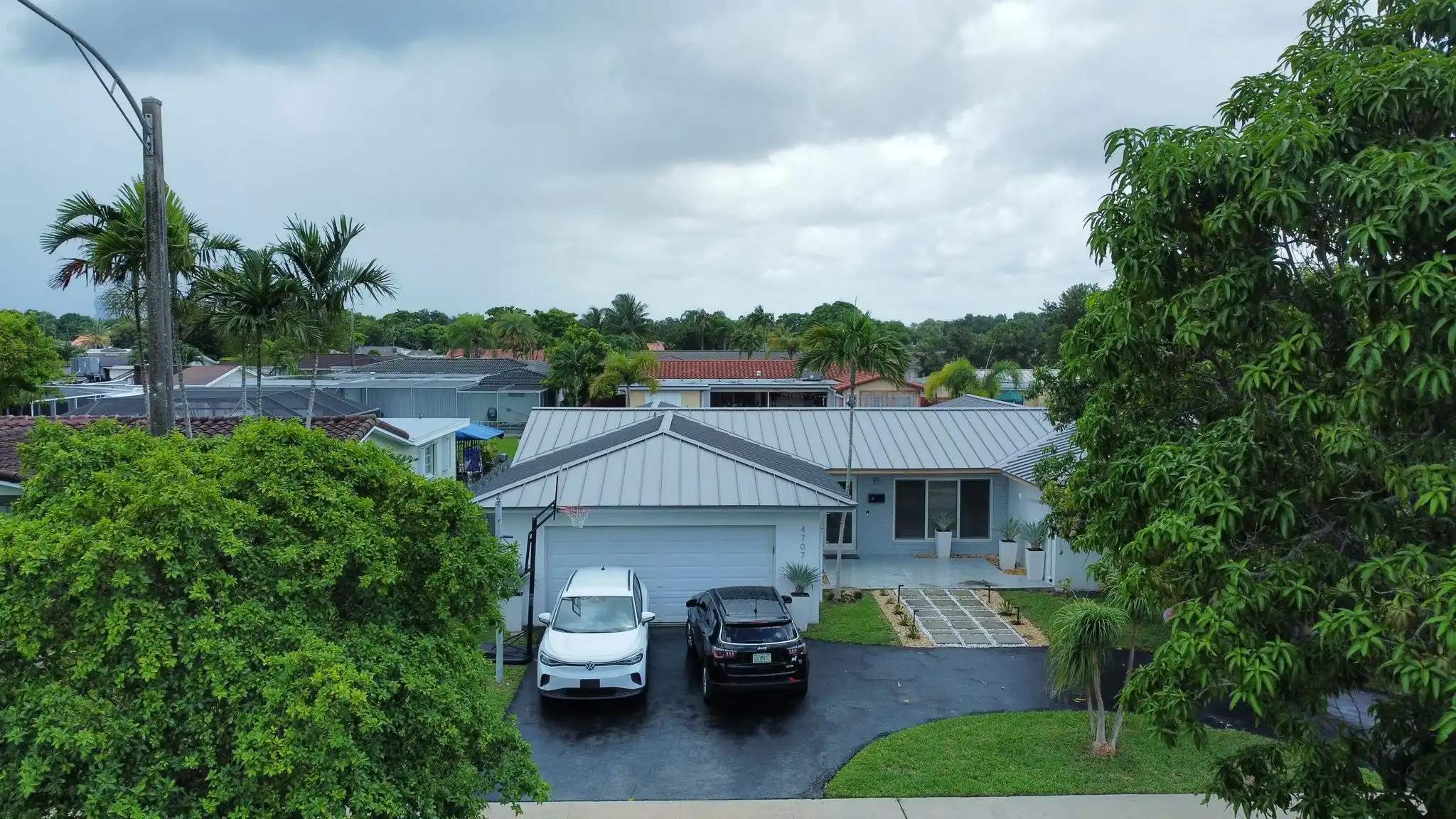
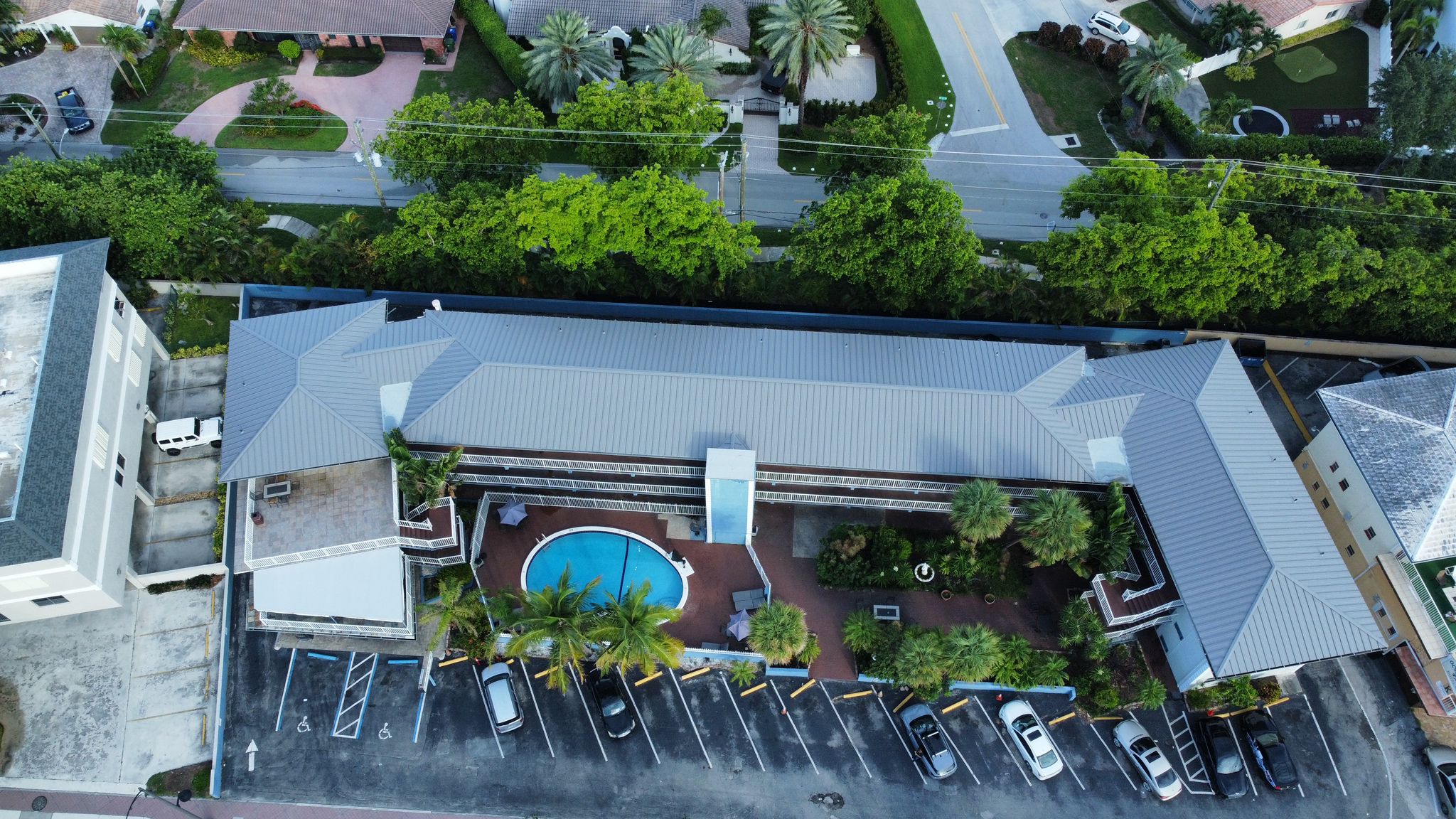
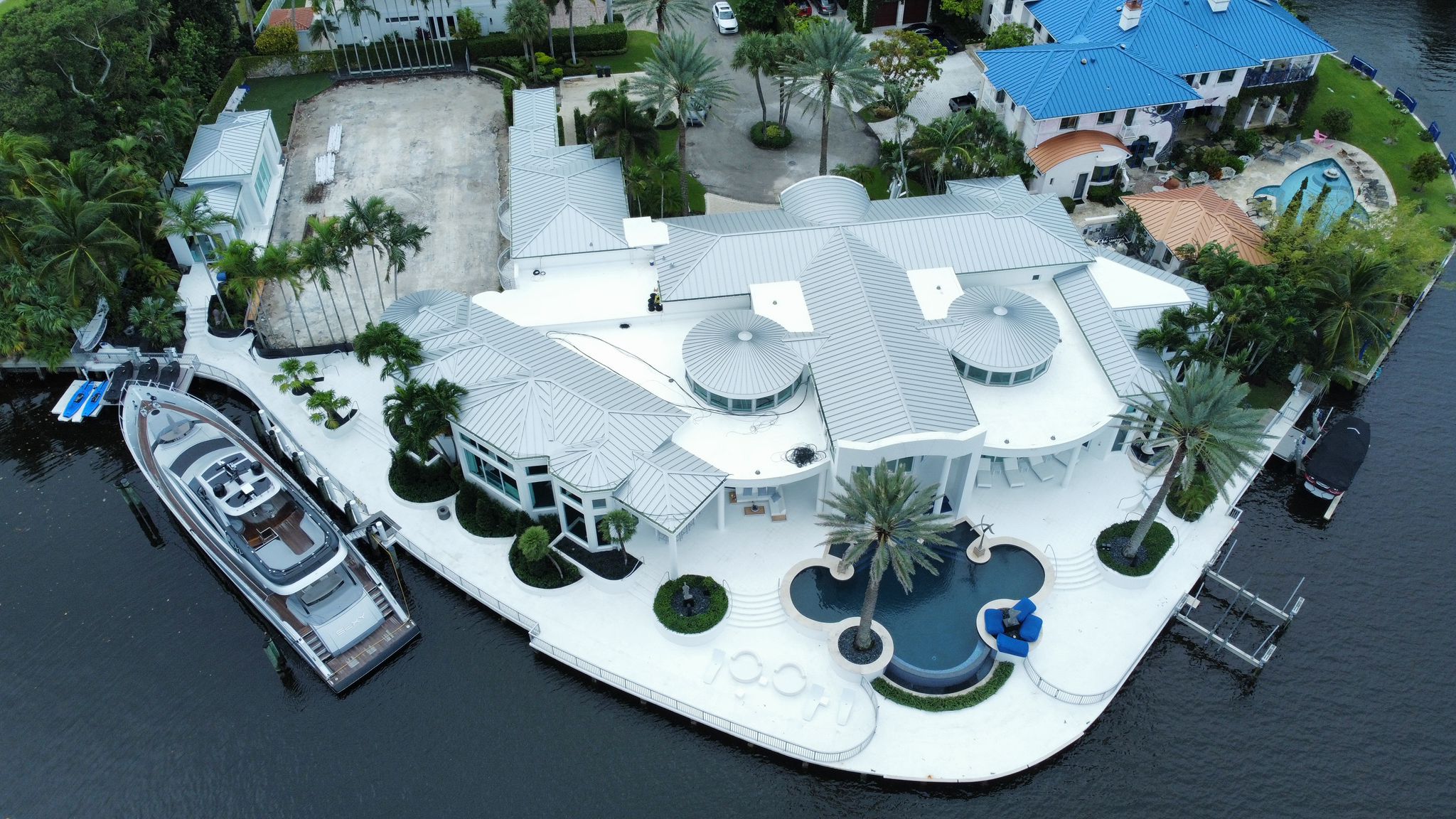
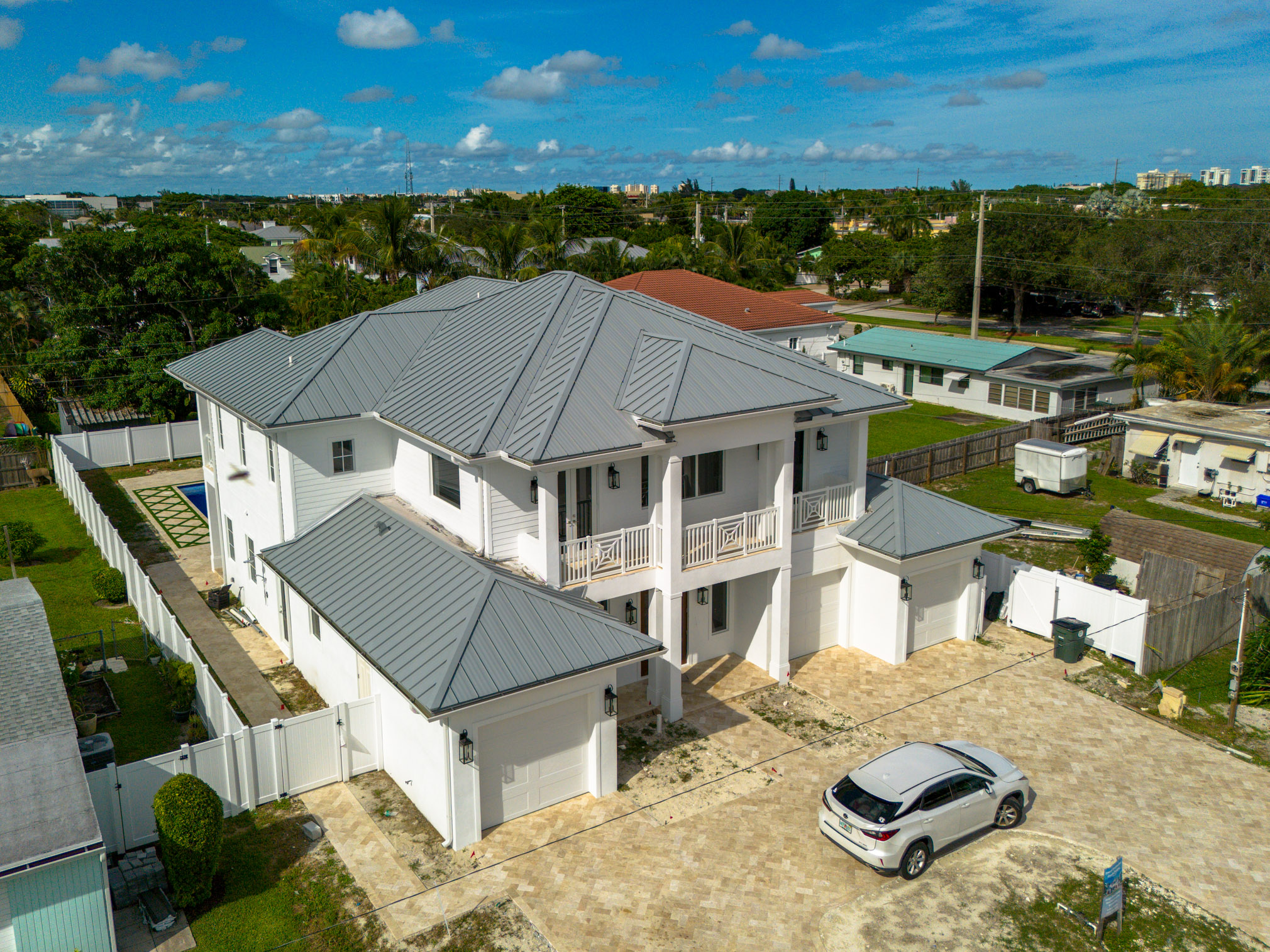
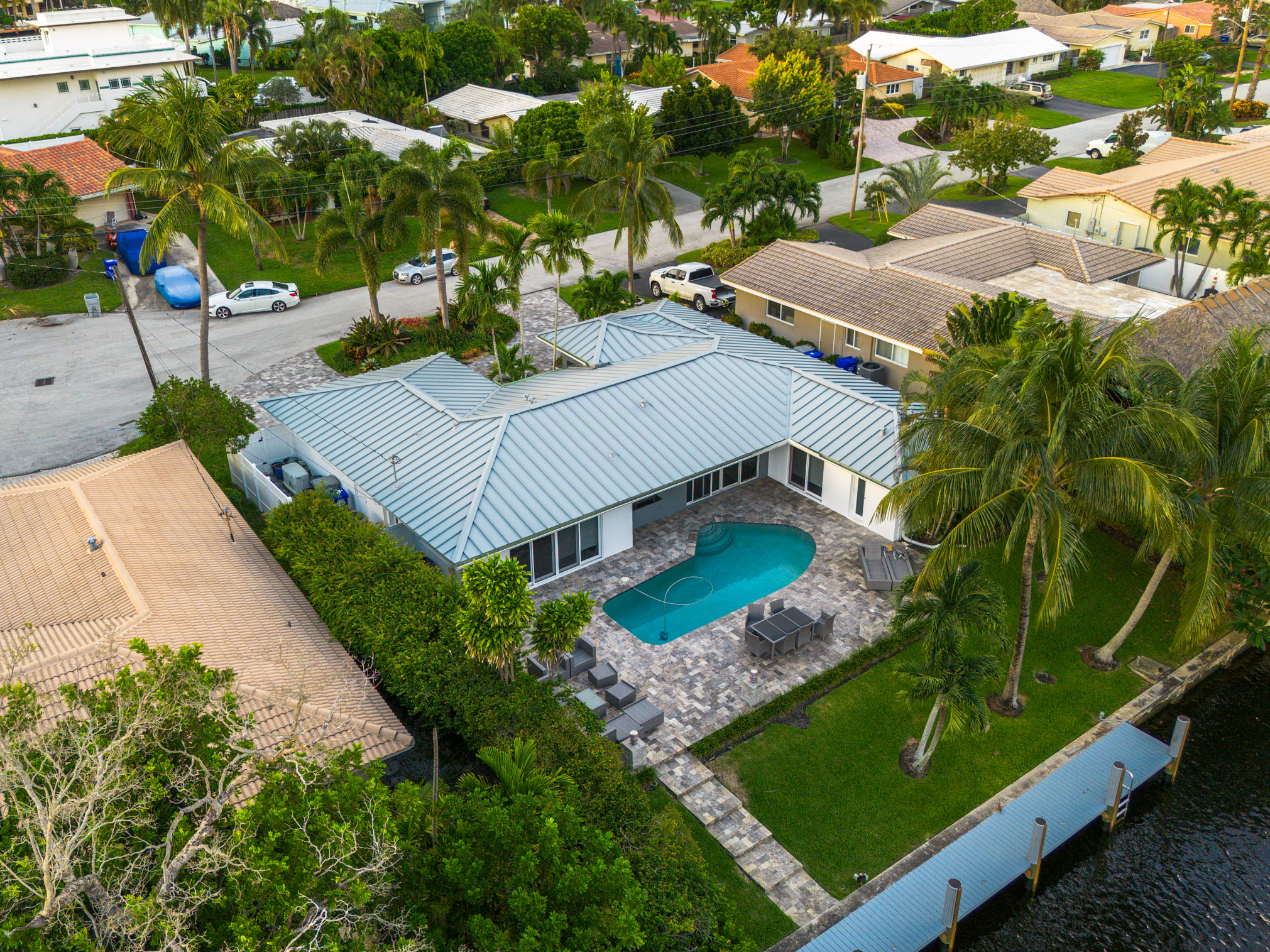
Metal roofs have become one of the most popular hurricane-resistant roofing systems in Florida.
Benefits include:
- Exceptional wind resistance
- Long lifespan
- Energy efficiency
- Low maintenance requirements
- Excellent performance during severe storms
Tile Roofing
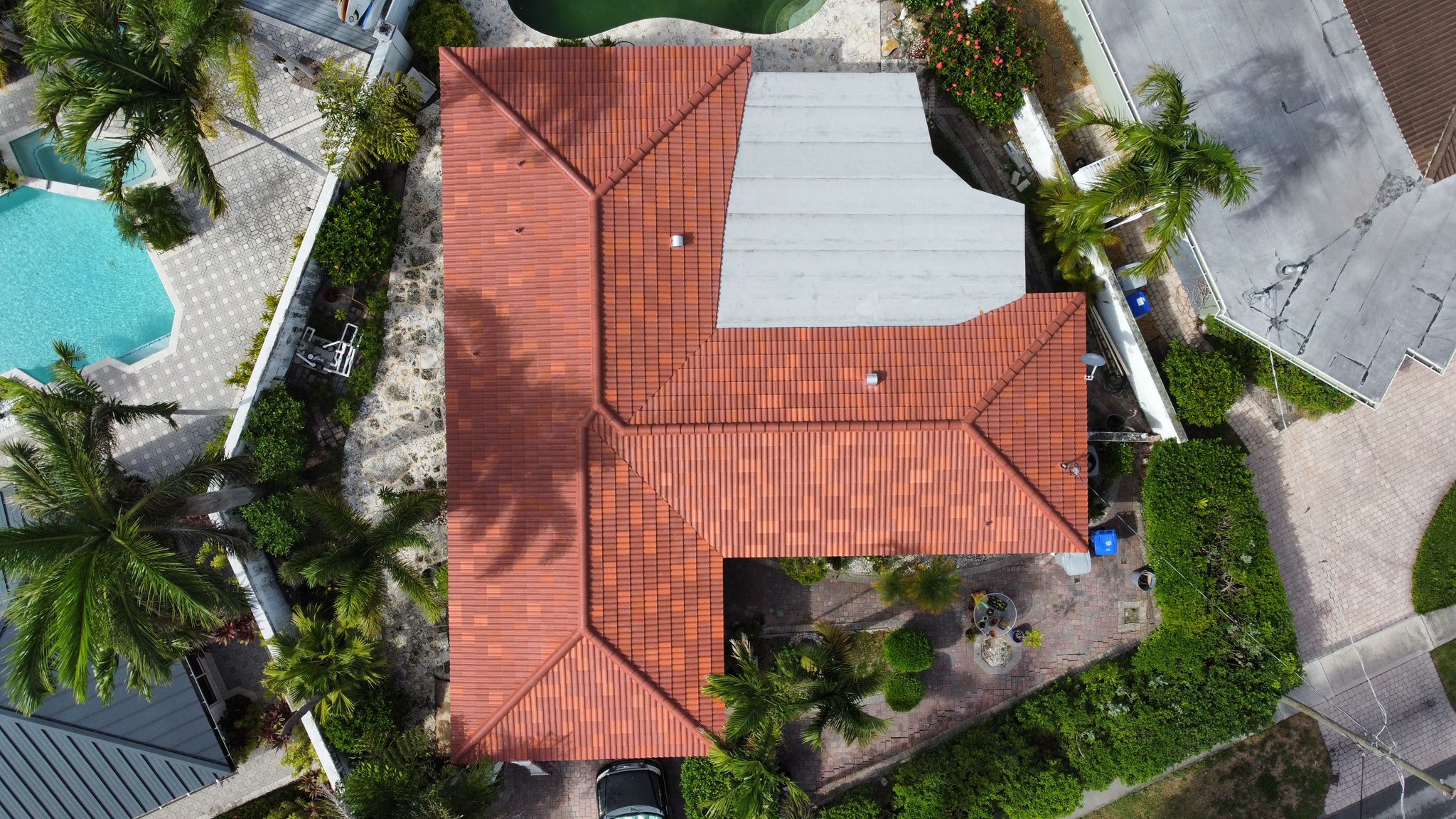
Concrete and clay tile systems can provide excellent durability when installed correctly and engineered for Florida’s wind loads.
Asphalt Shingles
Modern architectural shingles installed under current code standards can also qualify for mitigation improvements and insurance discounts.
Can a Roof Replacement Help You Qualify?
In many cases, yes.
A roof replacement creates an opportunity to incorporate multiple hurricane mitigation improvements at the same time.
Depending on the home’s existing conditions, a new roof may include:
- Secondary Water Resistance
- Improved fastening methods
- Updated flashing systems
- Code-compliant underlayment
- Enhanced roof-to-wall connections
- Hurricane-rated roofing materials
These improvements often provide the greatest long-term benefit for both protection and insurance savings.
What Happens During the Inspection?
The My Safe Florida Home inspection evaluates various structural components of your home.
Inspectors may review:
- Roof covering type
- Roof age
- Roof geometry
- Roof-to-wall attachments
- Secondary Water Resistance
- Opening protections
- Overall hurricane mitigation features
After the inspection, homeowners receive a report identifying potential improvements that may qualify for grant funding.
Insurance Benefits of an Eligible Roof
Many homeowners focus on the grant itself, but the insurance savings can be equally valuable.
A properly upgraded roof may help homeowners qualify for wind mitigation credits that can reduce annual insurance premiums.
Potential benefits include:
- Lower insurance costs
- Improved insurability
- Better protection during storms
- Increased home value
- Greater buyer appeal if selling the property
The exact savings vary based on the home’s construction, location, insurance carrier, and completed improvements.
Why Professional Installation Matters
Even the best roofing materials can fail if they are installed incorrectly.
Proper installation is essential to:
- Meet building code requirements
- Pass inspections
- Maintain manufacturer warranties
- Maximize hurricane resistance
- Preserve insurance eligibility
Working with an experienced Florida roofing contractor helps ensure every component is installed according to manufacturer specifications and local code requirements.
How Allied Roofing Helps Florida Homeowners
At Allied Roofing & Sheet Metal, we help homeowners throughout South Florida navigate roof replacements, hurricane mitigation upgrades, and insurance-related roofing requirements.
Our team understands Florida building codes, wind mitigation requirements, and the roofing systems commonly associated with improved storm protection.
Whether you’re considering metal roofing, tile roofing, or a complete roof replacement, we can help determine the best solution for your home’s n
My Safe Florida Home Grant Roofing Contractors in South Florida
Allied Roofing & Sheet Metal helps homeowners throughout:
- Fort Lauderdale
- Boca Raton
- Lighthouse Point
- Deerfield Beach
- Parkland
- Plantation
- Coral Springs
- Pompano Beach
Schedule Your Roof Evaluation
If you’re wondering whether your roof may qualify for My Safe Florida Home improvements, the first step is understanding your home’s current condition.
A professional roof evaluation can help identify opportunities to strengthen your home, improve hurricane resistance, and potentially reduce insurance costs.
Contact Allied Roofing & Sheet Metal today to discuss your roofing options and learn how a properly installed roofing system can help protect your investment for years to come.
Frequently Asked Questions
Does a new roof automatically qualify for the My Safe Florida Home Grant?
No. The roof must meet specific wind mitigation requirements identified during the inspection process.
What is Secondary Water Resistance?
Secondary Water Resistance is an additional waterproof barrier installed beneath the roof covering that helps prevent water intrusion during hurricanes.
Can a metal roof improve eligibility?
Metal roofs often provide excellent wind resistance and may help homeowners qualify for mitigation credits when installed according to Florida Building Code requirements.
How much can homeowners receive through the My Safe Florida Home Program?
Grant amounts and funding availability vary by program cycle and homeowner eligibility requirements.
Will a qualifying roof lower my insurance premiums?
Many homeowners receive insurance discounts after completing approved wind mitigation improvements, although savings vary by carrier.