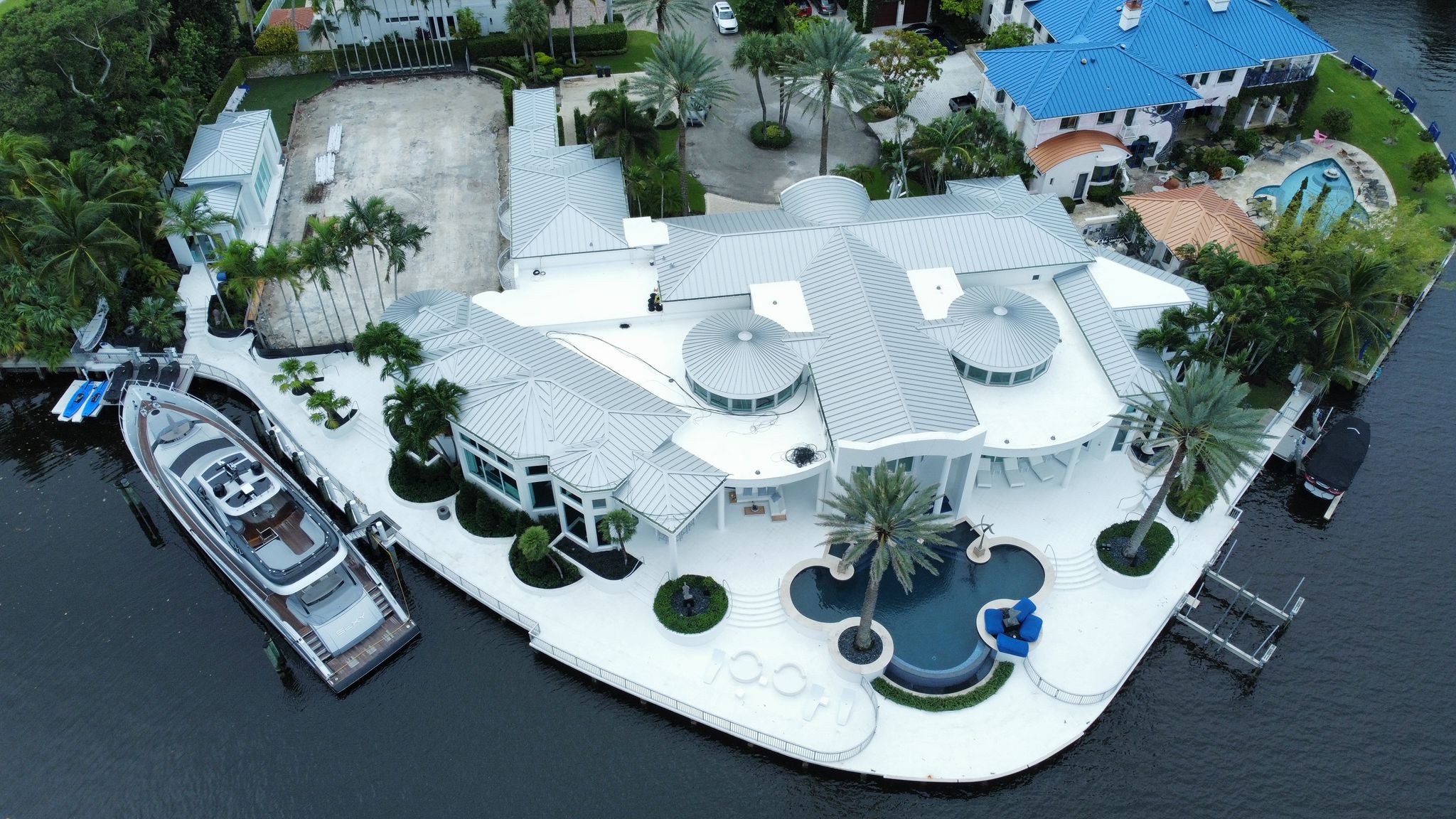
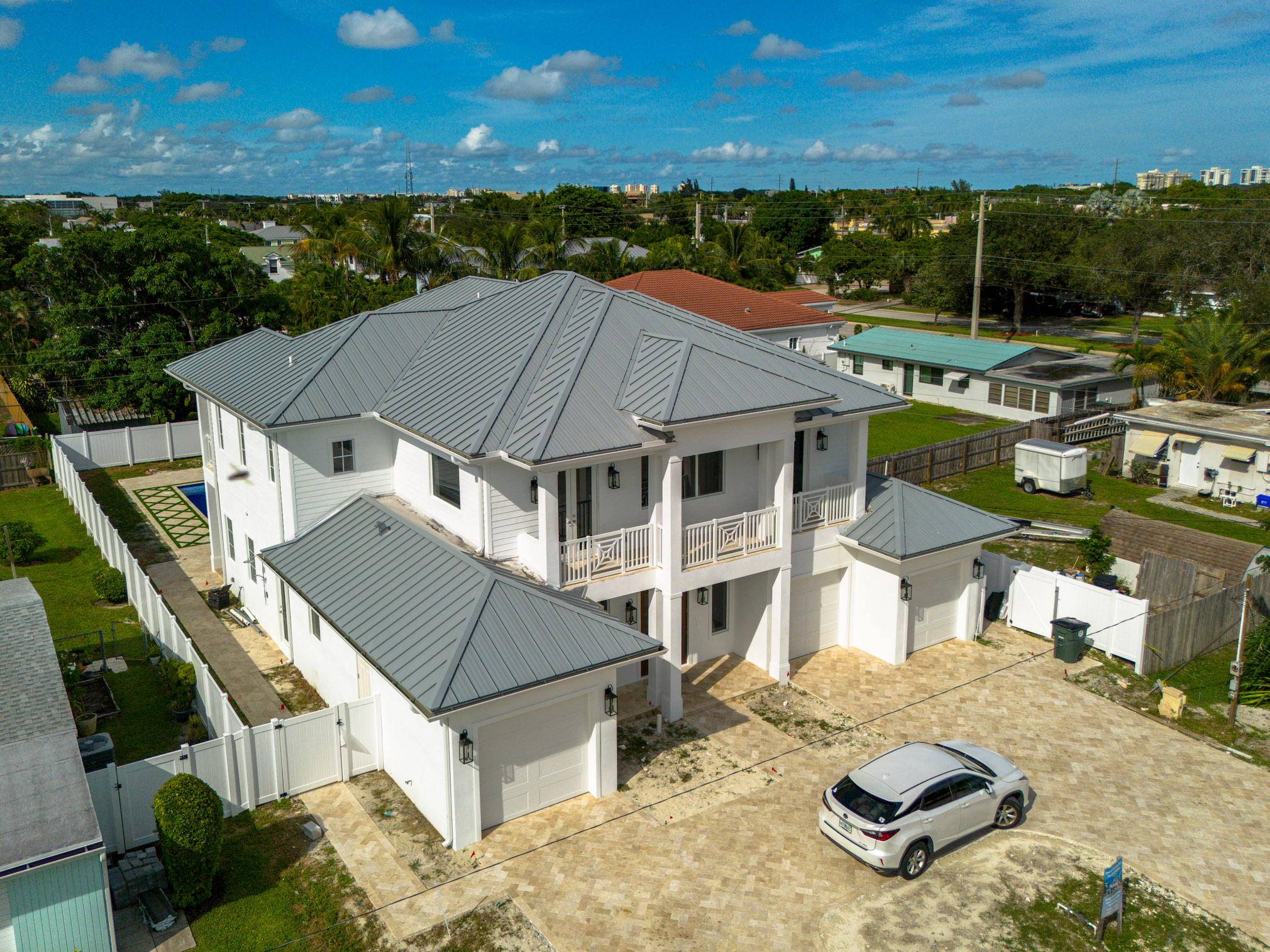
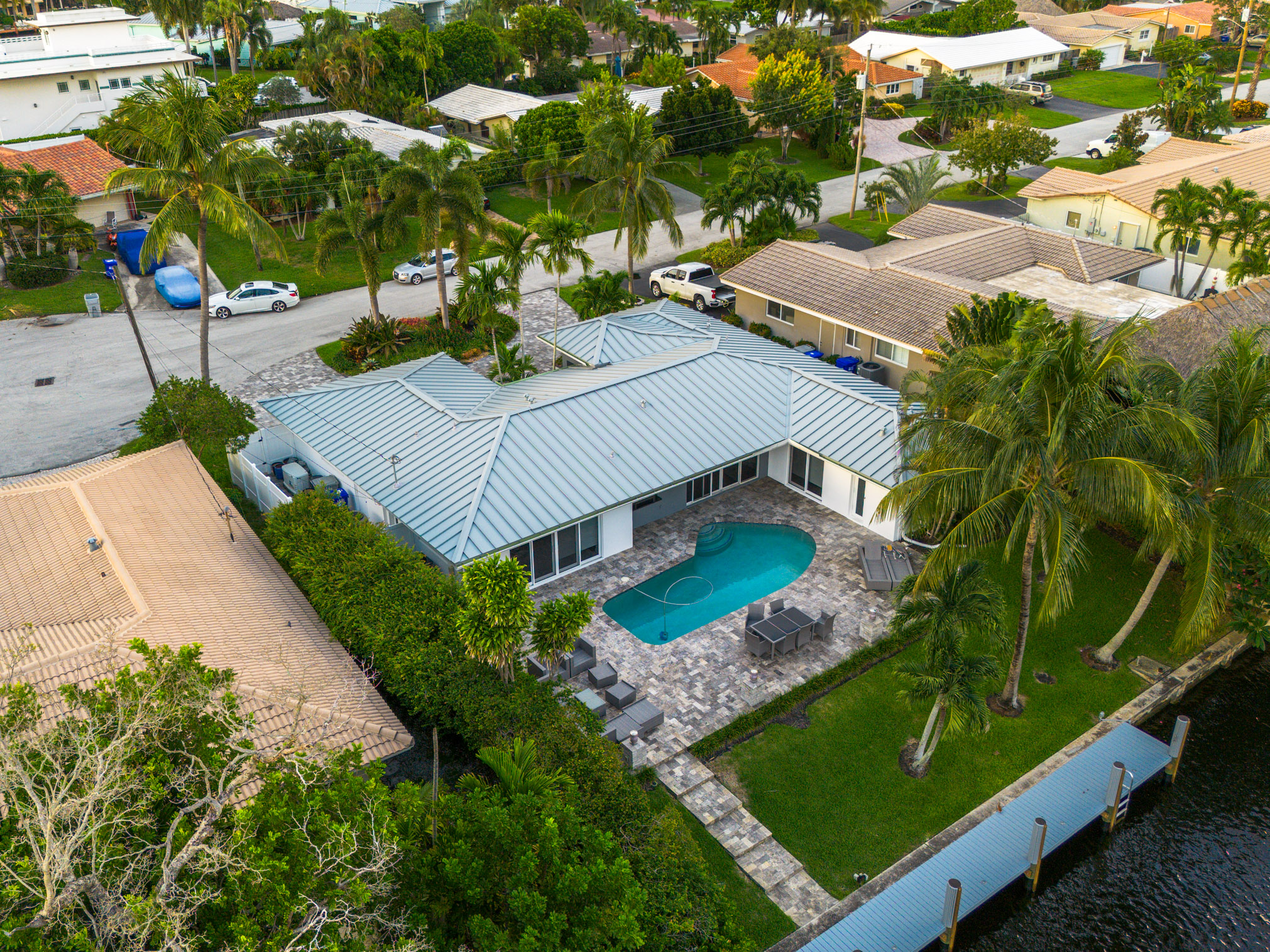
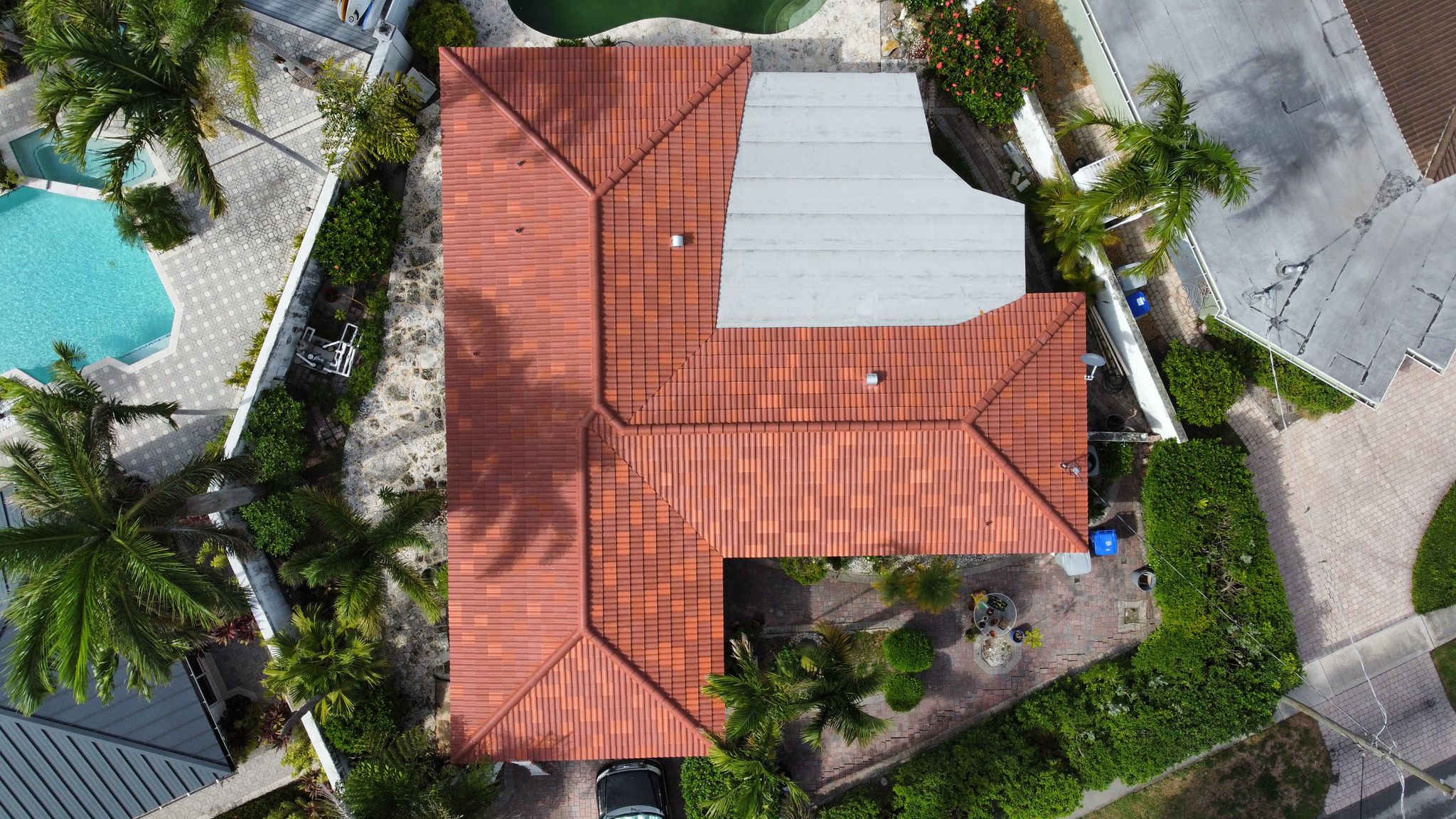
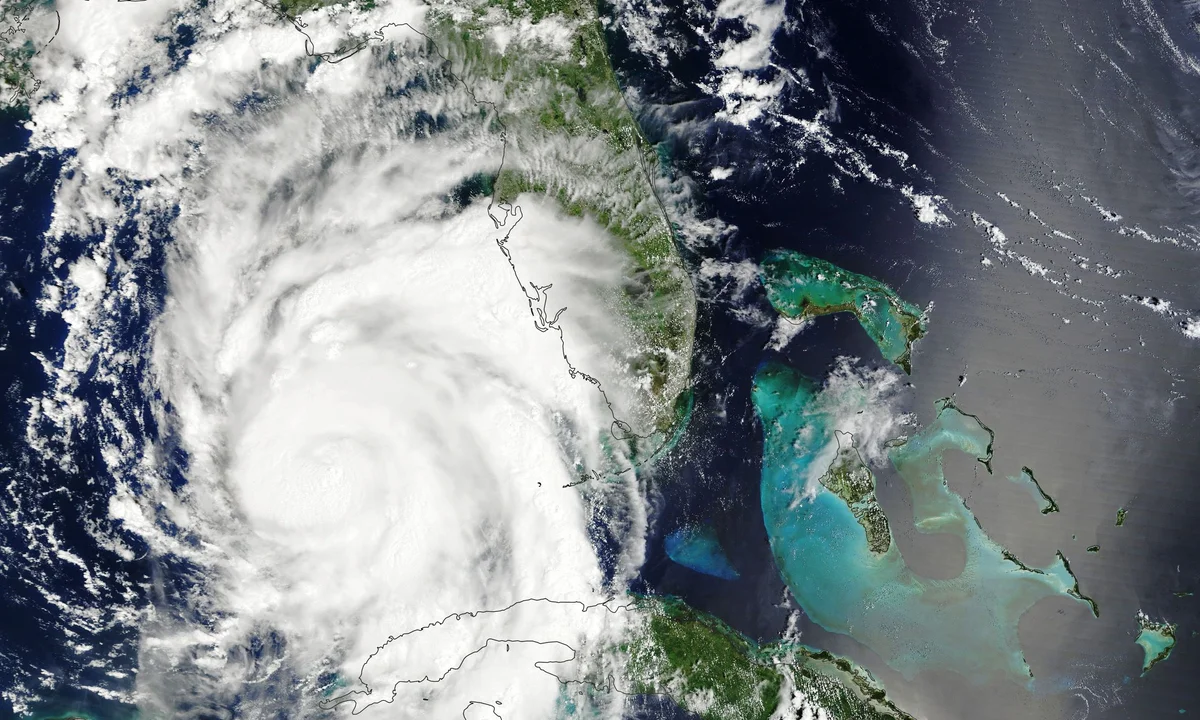
Roof waterproofing in South Florida starts with recognizing that a roof does more than block the sun. It must manage wind-driven rain, tropical downpours, intense UV exposure, high humidity, and the daily expansion and contraction caused by heat. When even one vulnerable detail fails, water can travel beneath the roofing system and cause damage far from the original entry point.
Roof waterproofing is the combination of materials, details, and installation practices that keeps water out of a building. It is not a single coating or quick fix. Effective waterproofing starts with understanding how the entire roof drains, where water is most likely to enter, and which repair or replacement strategy fits the roof type.
This guide explains the warning signs of waterproofing problems, the roof areas that deserve the closest attention, and the questions South Florida property owners should ask before the next storm season.
What Does Roof Waterproofing Actually Mean?
A roofing system usually includes several layers that work together. The visible roof covering—such as tile, shingles, metal panels, or a low-slope membrane—sheds most rain. Underlayment, flashing, sealants, drainage components, and properly detailed penetrations provide additional protection.
Waterproofing means creating a continuous path that directs water off the roof without allowing it to reach the deck or interior. The correct approach depends on the roof design. A steep-slope tile roof manages water differently from a flat or low-slope commercial roof, so the same product or repair method should not be used everywhere.
Why Waterproofing Matters So Much in South Florida
South Florida combines several conditions that are hard on roofing systems:
- Heavy rain that can overwhelm clogged or poorly designed drainage
- Wind-driven rain that pushes water beneath loose or damaged components
- Strong sunlight and heat that can age membranes, coatings, and sealants
- High humidity that slows drying and encourages hidden moisture problems
- Salt air near the coast that can accelerate corrosion of exposed metal components
- Tropical storms and hurricanes that test the roof perimeter, penetrations, and attachment system
A small opening may remain unnoticed during light rain but leak during a storm when water approaches from a different direction. Preventive inspections are especially valuable because they can identify weak details before interior damage appears.
Common Signs of a Roof Waterproofing Problem
Some leaks are obvious, while others develop slowly. Watch for these warning signs:
- Water stains on ceilings or walls
- Peeling paint, bubbling drywall, or discolored trim
- Musty odors or persistent dampness
- Dripping near skylights, vents, or roof-to-wall connections
- Cracked, missing, slipped, or broken roof tiles and shingles
- Open seams, blisters, punctures, or worn areas on a low-slope roof
- Rust or staining around flashing and fasteners
- Standing water that remains after the surrounding roof has dried
- Granules collecting in gutters or at downspout outlets
- Unexplained increases in indoor humidity
The visible stain is not always directly beneath the leak. Water can follow the roof deck, framing, insulation, pipes, or wiring before it becomes visible. A professional inspection should trace the moisture path instead of treating only the interior symptom.
The Roof Areas Most Vulnerable to Water Intrusion
Roof Penetrations
Plumbing vents, exhaust vents, skylights, antennas, HVAC supports, and other penetrations interrupt the roof surface. Each one needs compatible flashing and properly maintained seals. Applying caulk over a failing detail may provide only temporary relief and can conceal the real problem.
Valleys
Roof valleys carry concentrated runoff from two roof planes. Debris, damaged flashing, poorly placed fasteners, or displaced roofing materials can interfere with drainage and allow water to move beneath the system.
Roof-to-Wall Connections
Where a roof meets a wall, chimney, parapet, or vertical transition, flashing must direct water outward. These areas are vulnerable when flashing is missing, damaged, covered incorrectly, or separated from the adjoining surface.
Perimeters and Edges
Wind forces are often strongest at roof edges and corners. Fascia, drip edge, coping, edge metal, and perimeter attachment deserve close attention, especially after severe weather.
Low Spots and Drainage Areas
Flat and low-slope roofs should move water toward drains, scuppers, or gutters. Ponding water, blocked drains, deteriorated seams, and poorly repaired patches can shorten the life of the system and increase the chance of leakage.
Waterproofing Different Types of Roofs
Tile Roofs
Concrete and clay tiles shed water and protect the layers below, but the underlayment is a critical part of the waterproofing system. Broken or displaced tiles should be addressed, and valleys, flashings, penetrations, and underlayment condition should be evaluated. Walking on tile without the right technique can create additional damage.
Asphalt Shingle Roofs
Shingles rely on proper overlap, attachment, starter courses, underlayment, flashing, and edge details. Missing shingles, lifted tabs, exposed fasteners, damaged flashing, or deteriorated seal strips can create openings for wind-driven rain.
Metal Roofs
Metal roofing performance depends on panel seams, fasteners or concealed clips, closures, sealants, flashings, and transitions. Expansion and contraction can stress details over time. Repairs should use materials compatible with the existing metal and roof system.
Flat and Low-Slope Roofs
Low-slope roofs may use single-ply membranes, modified bitumen, built-up roofing, liquid-applied systems, or other assemblies. Seams, terminations, penetrations, drains, scuppers, and transitions must remain watertight. A coating may help in the right situation, but it is not a substitute for repairing wet insulation, damaged decking, or a roof that has reached the end of its service life.
Are Roof Coatings the Same as Waterproofing?
Roof coatings can be one component of a waterproofing strategy for certain compatible roof systems. Depending on the product and conditions, a coating may help protect the surface from UV exposure, reinforce properly prepared details, or extend service life.
However, success depends on the existing roof condition, moisture levels, surface preparation, drainage, product compatibility, application thickness, and detailing. Coating over trapped moisture, unstable materials, active leaks, or contaminated surfaces can lead to premature failure. The roof should be evaluated before a coating is recommended.
Repair, Restore, or Replace?
The right waterproofing plan depends on the extent and cause of the problem.
Targeted Repair
A focused repair may be appropriate when damage is isolated and the surrounding roof remains serviceable. Examples can include correcting a flashing detail, repairing a small membrane area, or replacing limited damaged roofing components.
Roof Restoration
Some low-slope roofs may be candidates for restoration after necessary repairs and preparation. A restoration system should be selected based on the existing assembly, manufacturer requirements, moisture findings, and long-term goals.
Roof Replacement
Replacement may be the better investment when problems are widespread, moisture is trapped throughout the assembly, the deck is damaged, repairs are becoming frequent, or the roof has reached the end of its practical service life. A thorough inspection helps avoid spending money on short-term patches that do not address the full condition.
How a Professional Waterproofing Inspection Works
A useful inspection looks beyond the spot where water became visible. Depending on the property and roof type, the process may include:
- Reviewing the leak history and conditions when leakage occurs
- Inspecting the roof surface, seams, flashings, penetrations, edges, and drainage
- Checking the attic or interior when accessible
- Looking for signs of previous repairs and recurring failure
- Evaluating whether water is entering through the roof or another building component
- Using appropriate moisture-detection or diagnostic methods when needed
- Documenting findings with photographs and a clear scope of work
The goal is to identify the source, the path of water, and the condition of the surrounding system before recommending a repair.
Preventive Steps Before Storm Season
- Schedule a professional roof inspection before the wettest months.
- Clear gutters, drains, scuppers, and downspouts.
- Address loose, cracked, or missing roofing materials promptly.
- Inspect flashing and sealant at penetrations and transitions.
- Trim branches that can scrape or fall onto the roof.
- Confirm that rooftop equipment and accessories are securely mounted.
- Keep records and photos of roof maintenance and repairs.
- Arrange an inspection after a major storm, even if no interior leak is immediately visible.
Do not climb onto a wet or storm-damaged roof. Roofing surfaces can be slippery, unstable, and unsafe. Visual checks from the ground can help, but close inspection and repairs should be handled by qualified professionals.
Questions to Ask a Roofing Contractor
- What is the likely source of the leak, and how was it identified?
- Is the proposed work a temporary repair or a long-term solution?
- Which materials will be used, and are they compatible with the existing roof?
- Will damaged or wet materials be removed before waterproofing?
- How will penetrations, edges, walls, valleys, drains, and transitions be detailed?
- What preparation is required before applying a repair or coating?
- What workmanship and manufacturer warranties apply?
- How should the roof be inspected and maintained after the work is complete?
Protect Your South Florida Property Before the Next Storm
Good roof waterproofing is not about covering every surface with more sealant. It is about finding vulnerabilities, selecting compatible materials, and creating a continuous drainage and water-control system for the specific roof.
If you have noticed a stain, recurring leak, damaged roof component, or standing water—or if you simply want the roof checked before storm season—Allied Roofing can evaluate the condition and explain the appropriate repair, restoration, or replacement options. Contact Allied Roofing to schedule a professional roof inspection for your South Florida home or commercial property.
Frequently Asked Questions About Roof Waterproofing
Can a leaking roof be waterproofed without replacement?
Sometimes. An isolated problem may be repairable when the surrounding roof is in serviceable condition. Widespread deterioration, trapped moisture, deck damage, or repeated leaks may make replacement more practical.
Will roof sealant stop a leak?
Sealant can be part of a correctly designed repair, but applying it over the visible area without identifying the source often creates a temporary patch. The damaged detail and water path should be diagnosed first.
How often should a South Florida roof be inspected?
Inspection frequency depends on roof type, age, condition, exposure, and warranty requirements. Many owners choose routine professional inspections and additional checks after major storms or when warning signs appear.
Is ponding water on a flat roof normal?
Water may remain briefly after rain, but persistent ponding can indicate drainage or slope problems and can stress some roofing systems. A professional should evaluate recurring standing water and the surrounding membrane.