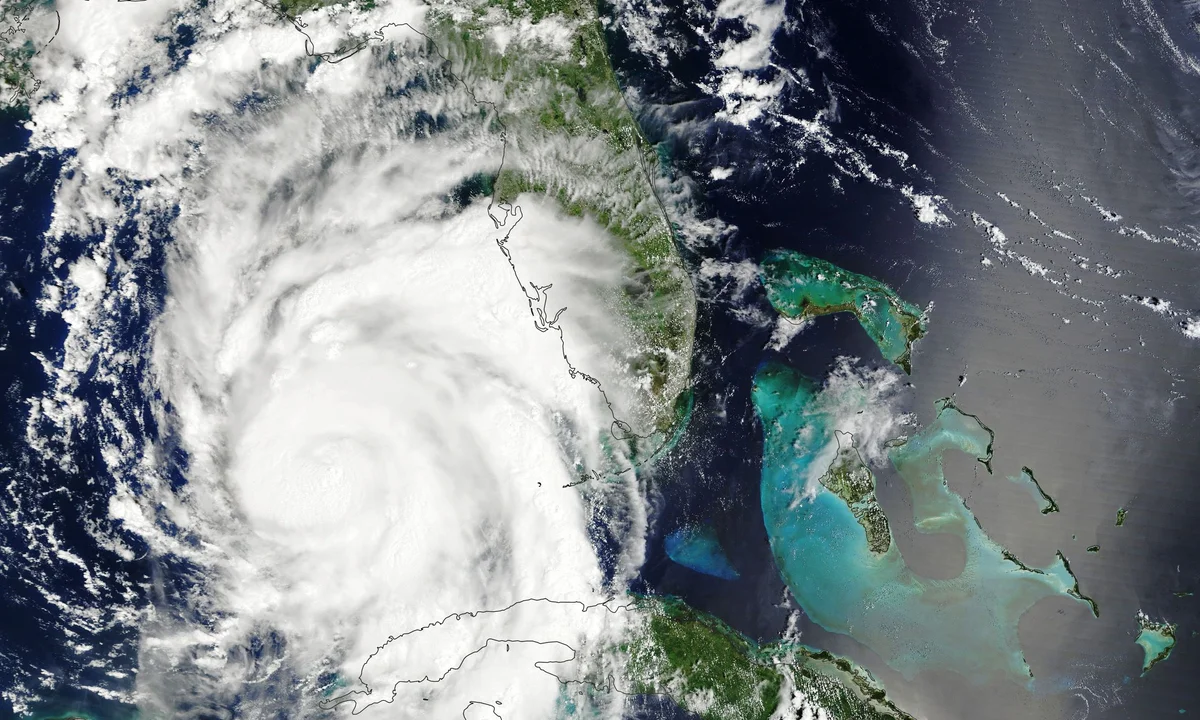
When most homeowners think about a roof, they think about the part they can see—tile, shingle, metal, or flat roofing materials. But one of the most important parts of a Florida roof is hidden underneath the finished roof system: secondary water resistance, often called SWR.
For homeowners in Parkland, Plantation, Lighthouse Point, Fort Lauderdale, Weston, and Boca Raton, this matters more than many people realize. In South Florida, roofs are exposed to hurricanes, tropical storms, heavy rain, and wind-driven water. That means a roof has to do more than just look good on a sunny day—it has to help protect the home when severe weather hits. That is one reason Florida roofing codes place such a strong emphasis on roof assemblies that include more than one layer of defense.
What Is Secondary Water Resistance?
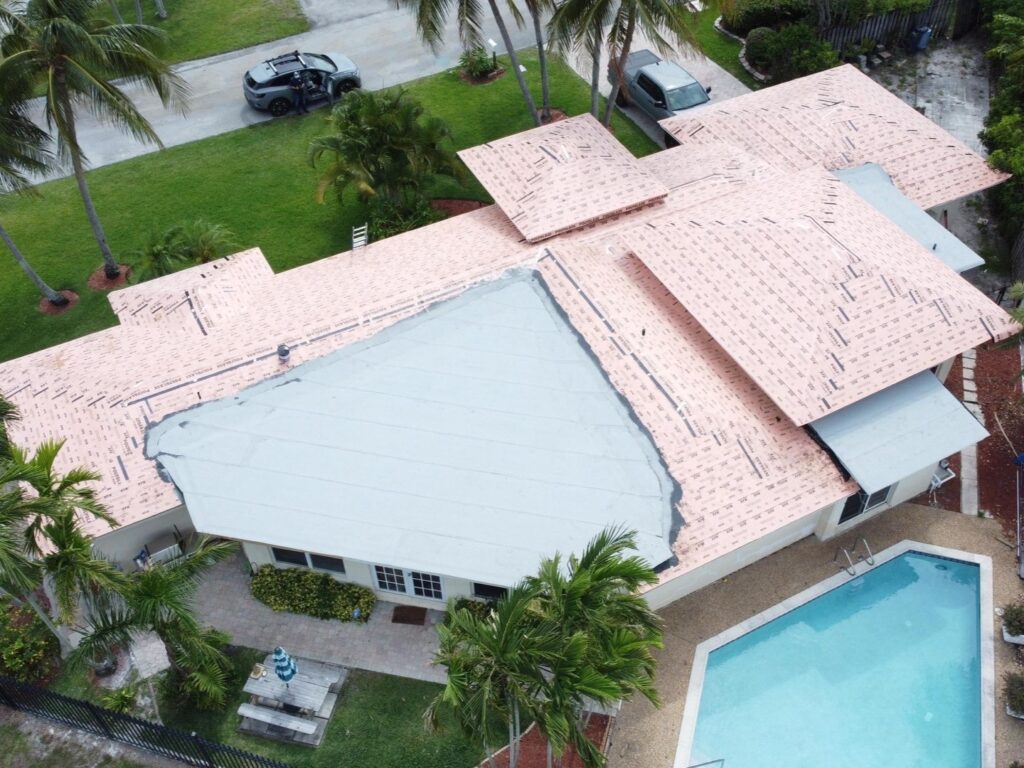
Secondary water resistance is an extra layer of protection installed beneath the primary roof covering to help prevent water from entering the home if the outer roofing material is damaged, lifted, or blown off during a storm.
In simple terms, your primary roof covering is the visible roof system—such as tile, shingles, or metal panels. If that outer layer is compromised during high winds, the roof deck underneath can be exposed to rain. Secondary water resistance is designed to help keep water out even if the main roof covering fails.
Depending on the roof system and code requirements, secondary water resistance may involve:
- A self-adhered membrane applied directly to the roof deck
- A sealed roof deck system where the deck joints are taped or sealed
- A code-approved underlayment assembly designed to resist water intrusion if the outer roof covering is lost
Under Florida’s wind-mitigation framework, standard underlayment or hot-mopped felts do not automatically qualify as SWR. The mitigation form specifically treats SWR as a sealed roof deck / supplemental water barrier, not simply any underlayment layer.
Why Does Secondary Water Resistance Matter?
Florida storms do not always fail a roof all at once. In many cases, the problem begins when strong winds loosen or remove part of the roof covering. Once that happens, wind-driven rain can reach the roof deck and enter the home quickly, causing interior damage to ceilings, insulation, drywall, flooring, electrical systems, and personal belongings.
Secondary water resistance helps reduce that risk by adding a backup layer between the roof covering and the interior of the home.
Why this matters in real life:
If a storm breaks or dislodges roof tiles, lifts shingles, or damages metal roofing components, the roof may still have a second layer helping to resist water intrusion until repairs can be made.
That can make a major difference in limiting:
- Interior water damage
- Mold and moisture issues
- Damage to insulation and framing
- Emergency repair costs after a storm
- Insurance claims related to water intrusion
For homeowners in coastal and inland South Florida communities—from Lighthouse Point and Fort Lauderdale to Plantation, Parkland, Weston, and Boca Raton—that added protection can be especially important during hurricane season, when wind-driven rain can exploit even small points of failure in a roof system.
Why Does Florida Require It?
Florida requires this type of protection because the state has a unique combination of risks:
- Hurricanes and tropical storms
- High wind speeds
- Wind-driven rain
- Frequent severe weather
- Large numbers of homes in coastal and high-risk areas
Florida’s roofing standards are built around the reality that a roof should not rely on only one line of defense. The roof covering is the first line of defense. Secondary water resistance is the backup if the visible roof covering is damaged or lost.
For reroofing projects, Florida’s mitigation and insurance framework also recognizes that roof replacement is often the best time to improve storm protection. A properly installed sealed roof deck / SWR system can strengthen the overall roof assembly and may also support wind-mitigation documentation after the project is complete. Florida’s Uniform Mitigation Verification Inspection Form specifically includes Sealed Roof Deck / Secondary Water Resistance as one of the documented mitigation features.
Broward vs. Palm Beach: Why Location Matters
Not every South Florida city falls under the exact same roofing requirements. That distinction matters.
Fort Lauderdale, Plantation, Weston, Parkland, and Lighthouse Point are in Broward County, which is part of Florida’s High-Velocity Hurricane Zone (HVHZ). Roof systems in Broward are subject to stricter code requirements because of the region’s elevated hurricane exposure.
Boca Raton, by contrast, is in Palm Beach County, which is still a high-wind coastal market but is not part of the HVHZ. That does not mean secondary water resistance is unimportant in Boca Raton—it absolutely still matters—but the exact roofing assembly, approvals, and code pathway can differ from a comparable project in Broward.
That is one reason homeowners should never assume that “a Florida roof is a Florida roof.” The details of the roof system should be evaluated based on the property’s location, roof type, and current code requirements.
Can Secondary Water Resistance Help Lower Homeowners Insurance Costs?
In many cases, yes. In Florida, secondary water resistance can be one of the wind-mitigation features that may help a homeowner qualify for insurance credits when it is properly documented during a wind mitigation inspection.
Insurance companies in Florida use the Uniform Mitigation Verification Inspection Form (OIR-B1-1802) to evaluate features that help reduce wind and water damage, including roof shape, roof deck attachment, roof-to-wall connections, opening protection, and Sealed Roof Deck / Secondary Water Resistance. Citizens also notes that attic access and supporting documentation can be important for verifying these mitigation features.
If a roof replacement includes a qualifying SWR system and it is properly documented, that feature may help improve the home’s wind-mitigation profile and potentially reduce the windstorm portion of the homeowner’s insurance premium.
That said, homeowners should understand that insurance savings are not based on SWR alone. Credits vary depending on the insurance carrier, the home’s age and design, and what other protective features are present—such as roof geometry, opening protection, roof-to-wall attachment, and roof deck attachment. Florida’s mitigation resources and Citizens’ materials make clear that the inspection form is used to document qualifying features, but not every feature results in the same discount for every home or every insurer.
Insurance credits vary by carrier, policy, home characteristics, and documented mitigation features. Homeowners should confirm eligibility and savings with their insurance agent or carrier after a wind mitigation inspection.
Is Secondary Water Resistance the Same as Underlayment?
Not exactly.
Homeowners often hear the terms underlayment, secondary water barrier, and secondary water resistance used interchangeably, but they are not always the same thing.
Roof underlayment
Underlayment is the material installed between the roof deck and the finished roof covering. It plays an important role in the roof system and can help resist moisture.
Secondary water resistance
Secondary water resistance refers to the backup water-protection function of the roof assembly if the primary roof covering is damaged or removed. In many cases, a properly installed self-adhered membrane or sealed roof deck system provides that protection.
So while an underlayment may be part of the SWR system, the bigger concept is having a code-compliant backup water barrier beneath the visible roof covering.
How Is Secondary Water Resistance Installed?
The exact installation method depends on the roofing system, the building code requirements, and the location of the property. In general, SWR may be created by one of the following approaches:
1. Self-adhered membrane
A peel-and-stick style membrane is installed directly over the roof deck to create a water-resistant barrier. These membranes are designed to remain adhered to the deck and help resist water intrusion if the outer roof covering is lost.
2. Sealed roof deck
In some systems, the joints between roof deck panels are sealed or taped, creating a secondary barrier against water intrusion.
3. Code-approved underlayment assemblies
Certain underlayment systems may qualify as part of a sealed roof deck / SWR assembly when installed in accordance with the applicable code and product approvals. On the current mitigation form, examples of qualifying sealed roof deck methods include fully adhered polymer-modified bitumen underlayment, taped roof-deck seams with approved materials, certain double-layer underlayment assemblies, and some qualifying spray foam applications.
Because installation details matter, homeowners should not assume that every roofing contractor installs the same type of protection or follows the same standards. Whether you are replacing a tile roof in Parkland, a shingle roof in Plantation, a metal roof in Fort Lauderdale, or a roof on a waterfront home in Lighthouse Point or Boca Raton, the details of the underlayment and SWR system matter.
Does Every Roof in Florida Need Secondary Water Resistance?
Requirements can vary depending on:
- Whether it is a new roof or reroof
- The type of structure
- The roof deck material
- The roofing system being installed
- Whether the property is in an HVHZ area
- The specific details of the current Florida Building Code and local enforcement requirements
That is why homeowners should be cautious about oversimplified answers online. The better question is not just, “Do I need underlayment?” The real question is:
What secondary water resistance or sealed roof deck requirements apply to my home, my roof type, and my location under the current Florida code?
A qualified Florida roofing contractor should be able to explain exactly what is required and what is being installed as part of your roof replacement.
Why Homeowners Should Ask About SWR During a Roof Replacement
If you are replacing your roof in Florida, secondary water resistance should not be treated as an afterthought. It is one of the most important components of the system because it affects what happens after the storm damages the visible roof covering.
Before signing a roofing contract, homeowners should ask:
- What type of secondary water resistance will be installed?
- Is the roof deck being sealed?
- What underlayment or membrane is being used?
- Is the system approved for my roof type and location?
- If my home is in Broward County, how does HVHZ affect my roof assembly?
- If my home is outside Broward, what local code and wind-mitigation standards still apply?
- Will the roof system be installed in accordance with the current Florida Building Code and manufacturer approvals?
- Will I receive documentation that may help support a future wind mitigation inspection?
A quality roof replacement should be built as a complete system—not just a surface layer.
The Bottom Line
Secondary water resistance is one of the most important hidden parts of a Florida roof. It is designed to help protect your home if the primary roof covering is damaged or blown off during severe weather, reducing the risk of water intrusion into the home.
For homeowners in Parkland, Plantation, Lighthouse Point, Boca Raton, Fort Lauderdale, and Weston, it can also play another important role: when properly installed and documented, it may help support wind-mitigation insurance credits as part of the home’s overall mitigation profile.
If you are replacing your roof in Parkland, Plantation, Lighthouse Point, Boca Raton, Fort Lauderdale, or Weston, contact Allied Roofing & Sheet Metal to learn what secondary water resistance is included in your roof system, what Florida code requires for your home, and how a properly installed roof may help support your home’s wind mitigation profile. We will walk you through the process, explain the materials and protection built into your roof, and help you make an informed decision before installation begins.
Frequently Asked Questions
Is secondary water resistance required on a Florida roof?
Florida roofing requirements depend on the type of project, roof system, roof deck, and the property location. In many reroof and new-roof situations, a sealed roof deck or secondary water resistance system may be required or strongly recommended as part of the roof assembly.
Is secondary water resistance the same as roof underlayment?
Not exactly. Underlayment is the layer installed beneath the roof covering, while secondary water resistance refers to the roof system’s backup protection against water intrusion if the primary roof covering is damaged or blown off.
Can secondary water resistance help lower homeowners insurance in Florida?
It may. In Florida, secondary water resistance can be one of the features documented on a wind mitigation inspection form. If the roof system qualifies and is properly documented, it may help support wind-mitigation insurance credits depending on the insurer and the home’s other mitigation features.
Does SWR matter if I live in Boca Raton and not Broward County?
Yes. Even though Boca Raton is not in Broward’s HVHZ, it is still a South Florida coastal market exposed to high winds, heavy rain, and hurricanes. Secondary water resistance remains an important part of a well-built roof system.
What should I ask my roofing contractor about SWR?
Ask what type of secondary water resistance will be installed, whether the roof deck will be sealed, whether the system is approved for your roof type and location, and whether you will receive documentation that may help support a future wind mitigation inspection.