Your roof may look fine from the ground, but South Florida weather works on it every day. Intense UV exposure, heavy rain, humidity, salt air, wind, and sudden temperature changes can gradually weaken roofing materials and vulnerable details. By the time a ceiling stain appears, a small maintenance issue may already have allowed water into the roof system.
At Allied Roofing & Sheet Metal, we ask every customer to schedule professional roof maintenance once each year. This annual service helps identify and correct minor problems before they become disruptive leaks or expensive repairs. It is one of the most practical ways to protect your roof, your home, and the investment you made in your roofing system.
South Florida Is Especially Hard on Roofs
Roofs in Broward, Miami-Dade, and Palm Beach counties face a combination of conditions that is difficult to find anywhere else in the country.
Constant sun and UV exposure
Florida sunlight can dry and age asphalt shingles, sealants, coatings, and exposed roofing components. Repeated heating and cooling also causes materials to expand and contract. Over time, this movement can affect seams, flashings, fasteners, and penetrations.
Heavy rain and wind-driven water
A roof does not need to have a large opening to leak. Water can enter around deteriorated flashing, cracked sealant, loose components, or clogged drainage areas. Wind-driven rain can reach weaknesses that remain unnoticed during an ordinary shower.
Humidity, algae, and organic growth
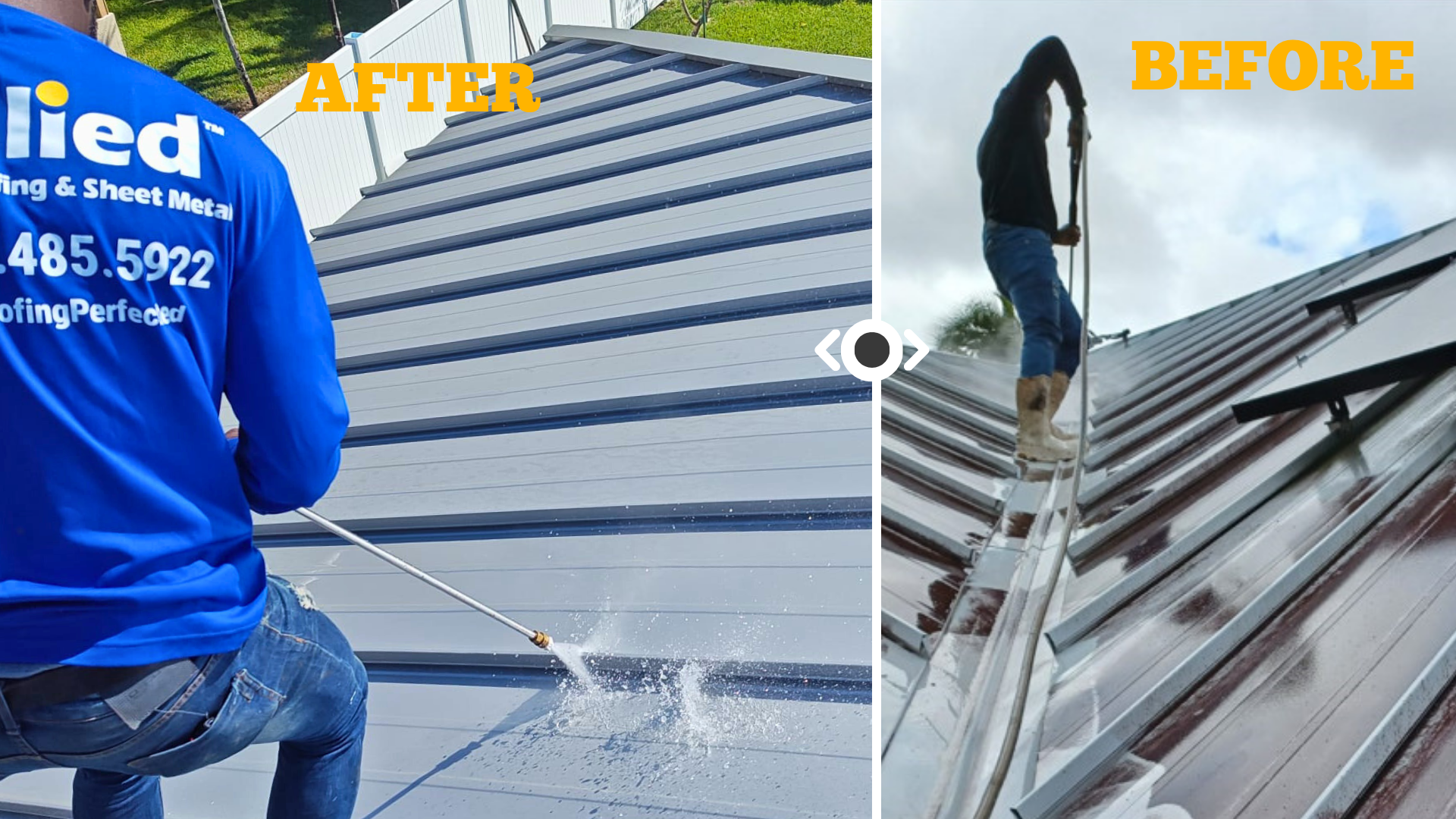
South Florida’s warm, humid environment encourages algae and organic growth. Staining is not always a sign of structural damage, but heavy buildup can retain moisture and make it harder to spot cracked, shifted, or deteriorated materials. Cleaning methods must be appropriate for the roof system because aggressive pressure washing can cause damage.
Salt air near the coast
Coastal properties need special attention. Airborne salt can accelerate corrosion on exposed metal components, fasteners, flashing, and rooftop equipment. Regular inspection allows early corrosion or coating damage to be addressed before it spreads.
Hurricane and severe-storm exposure
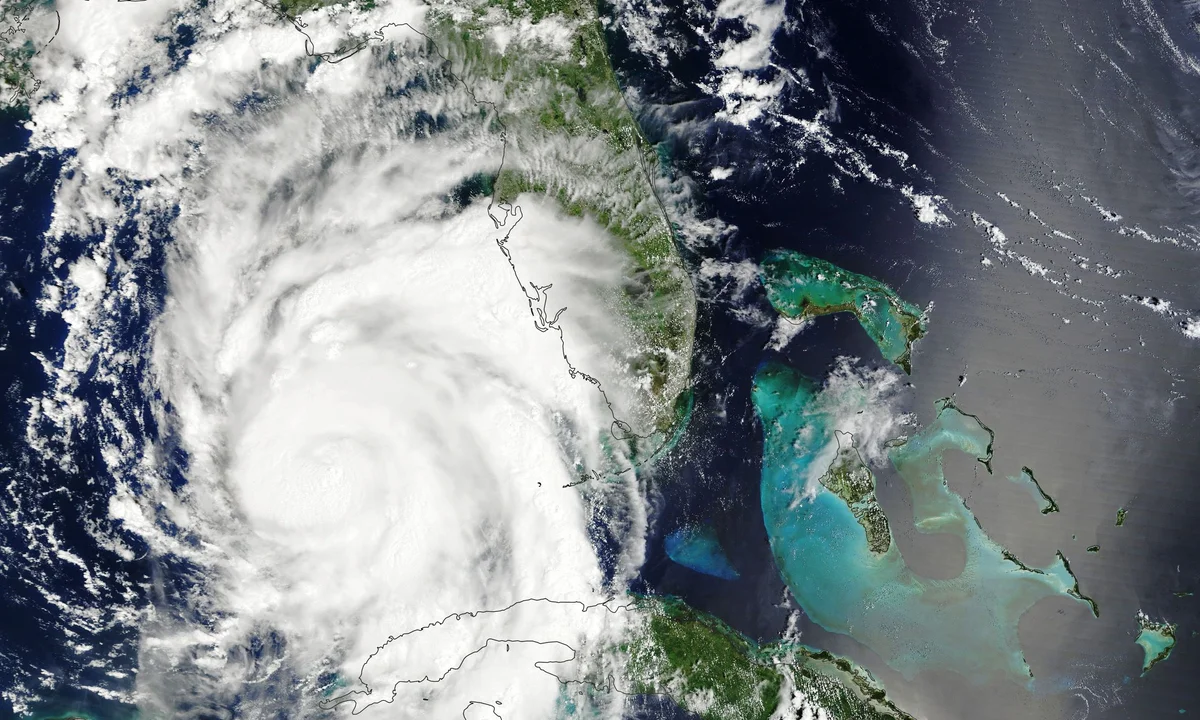
The Atlantic hurricane season runs from June 1 through November 30. Even when a named storm does not make a direct landfall, strong wind, wind-driven rain, and flying debris can affect a roof. Annual maintenance is best scheduled before hurricane season, with an additional professional inspection after any severe weather event or when damage is suspected.
What Annual Roof Maintenance Can Prevent
Maintenance cannot prevent every storm-related problem, but it can reduce avoidable failures caused by wear, blocked drainage, and neglected details. A professional visit may uncover:
- Loose, cracked, slipped, or missing tiles and shingles
- Open seams or displaced metal panels
- Deteriorated sealant around vents and roof penetrations
- Loose or corroded flashing and fasteners
- Debris blocking valleys, gutters, scuppers, or roof drains
- Ponding water on a low-slope or flat roof
- Early membrane wear, punctures, or blistering
- Damage around skylights, HVAC curbs, and plumbing stacks
- Signs of moisture in the attic, decking, or interior ceiling
Correcting these conditions early is usually simpler than repairing water-damaged decking, insulation, drywall, paint, or interior finishes after a leak.
What Should Be Included in an Annual Roof Maintenance Visit?
A maintenance visit should be more than a quick look from the driveway. The exact scope depends on the roofing system, roof access, age, and condition, but a qualified roofer should evaluate the roof covering and its most vulnerable details.
A typical professional visit may include:
- Reviewing the roof surface for visible damage or deterioration
- Checking flashing at walls, valleys, edges, chimneys, and transitions
- Examining penetrations, vents, skylights, and rooftop equipment
- Inspecting seams, fasteners, sealants, and protective coatings
- Checking gutters, scuppers, drains, and other drainage paths
- Removing accessible debris that can obstruct water flow
- Looking for ponding water or evidence of recurring drainage problems
- Documenting concerns and recommending repairs when needed
Homeowners should ask for photographs and a written explanation of any recommended work. Good documentation creates a maintenance history and makes it easier to track changes from year to year.
Different Roof Systems Need Different Care
Tile roofs
Tile roofs should be checked for cracked, displaced, or missing tiles, along with deterioration at ridges, valleys, flashings, and penetrations. Walking incorrectly on tile can cause breakage, so the inspection should be performed by someone experienced with tile roofing.
Shingle roofs
Shingle maintenance focuses on lifted, curled, cracked, or missing shingles; exposed fasteners; granule loss; flashing; and sealant. Debris should also be removed from valleys and drainage areas.
Metal roofs
Metal roofing is durable, but it is not maintenance-free. Seams, clips, fasteners, sealants, penetrations, surface coatings, and signs of corrosion should be reviewed, especially on coastal properties.
Flat and low-slope roofs
Drainage is critical on a flat or low-slope roof. Annual maintenance should look for blocked drains, ponding water, open seams, punctures, blistering, coating wear, and deterioration around rooftop equipment.
Annual Maintenance May Help Protect Your Warranty
At Allied Roofing & Sheet Metal, we request that customers have their roofs professionally maintained every year. Annual maintenance documents the roof’s condition, addresses routine wear, and helps ensure potential problems are handled promptly.
Roof warranties vary, and homeowners should always read the exact terms of both their contractor workmanship warranty and manufacturer warranty. Warranty coverage is governed by those written terms. Keeping annual maintenance records, photographs, invoices, and repair documentation can help demonstrate that the roof has been properly cared for.
Before allowing another trade to cut into or attach equipment to the roof, contact your roofing contractor. Work involving solar panels, HVAC equipment, satellite dishes, or new penetrations can affect watertightness and may affect warranty coverage if it is not coordinated correctly.
Can Homeowners Inspect Their Own Roof?
Homeowners can safely observe several warning signs without climbing onto the roof. From the ground or inside the home, look for:
- Missing, shifted, or visibly damaged roofing materials
- Debris collecting at roof edges or in gutters
- Water stains on ceilings or walls
- Musty odors or unusual attic moisture
- Peeling paint near rooflines
- Drips or damp areas after heavy rain
Do not walk on the roof unless you have the proper training and safety equipment. Roof surfaces can be slippery, tile can break underfoot, and small damage can be difficult to recognize. The National Roofing Contractors Association recommends professional help for repairs and cautions inexperienced homeowners against accessing roof surfaces.
When Is the Best Time to Schedule Roof Maintenance?
For South Florida homeowners, the best time is generally before the most active part of hurricane season. Scheduling early gives you time to address loose materials, drainage problems, or deteriorated flashing before severe weather arrives.
You should also request an inspection:
- After a hurricane, hail event, or severe windstorm
- After noticing a leak, stain, or musty odor
- Before installing solar panels or new rooftop equipment
- Before buying or selling a property
- When the roof has not been professionally evaluated for several years
Frequently Asked Questions
Is annual roof maintenance really necessary in South Florida?
Yes. Allied Roofing requests that customers schedule one professional roof maintenance service every year. South Florida roofs experience intense sun, humidity, heavy rain, salt exposure, and severe storms. Annual maintenance helps identify deterioration early, while additional inspections should be scheduled after severe weather or whenever damage is suspected.
Does a new roof need maintenance?
Yes. New roofs can still be affected by debris, storm damage, work performed by other trades, or drainage problems. Maintenance also creates a documented condition history from the beginning of the roof’s service life.
Will maintenance stop every roof leak?
No maintenance program can guarantee that a roof will never leak, especially after extreme weather. However, routine maintenance can correct many preventable conditions before they lead to water intrusion.
Is roof cleaning the same as roof maintenance?
No. Cleaning addresses dirt, staining, algae, or organic growth. Maintenance evaluates the roof system’s condition, drainage, flashing, seams, penetrations, and other components. Cleaning should only be performed with methods appropriate for the roofing material.
How much does annual roof maintenance cost?
The cost depends on the roof’s size, height, access, material, condition, and the repairs required. A professional inspection is needed before an accurate scope and price can be provided.
Protect Your South Florida Roof Before a Small Problem Becomes a Leak
Annual professional roof maintenance is an expected part of responsible roof ownership for Allied Roofing customers. It is preventive care for one of your property’s most important systems. A scheduled yearly visit can uncover developing problems, support proper drainage, document the roof’s condition, and help you plan repairs instead of reacting to an emergency.
Allied Roofing & Sheet Metal has served South Florida homeowners and property owners for more than 25 years. Our team understands the demands that sun, rain, salt air, and hurricane conditions place on tile, shingle, metal, and flat roofing systems.
Learn more about our South Florida roof maintenance services or schedule a professional roof evaluation today.
Helpful resource: Read our roof maintenance tips for South Florida homeowners for additional ways to care for your roofing system.