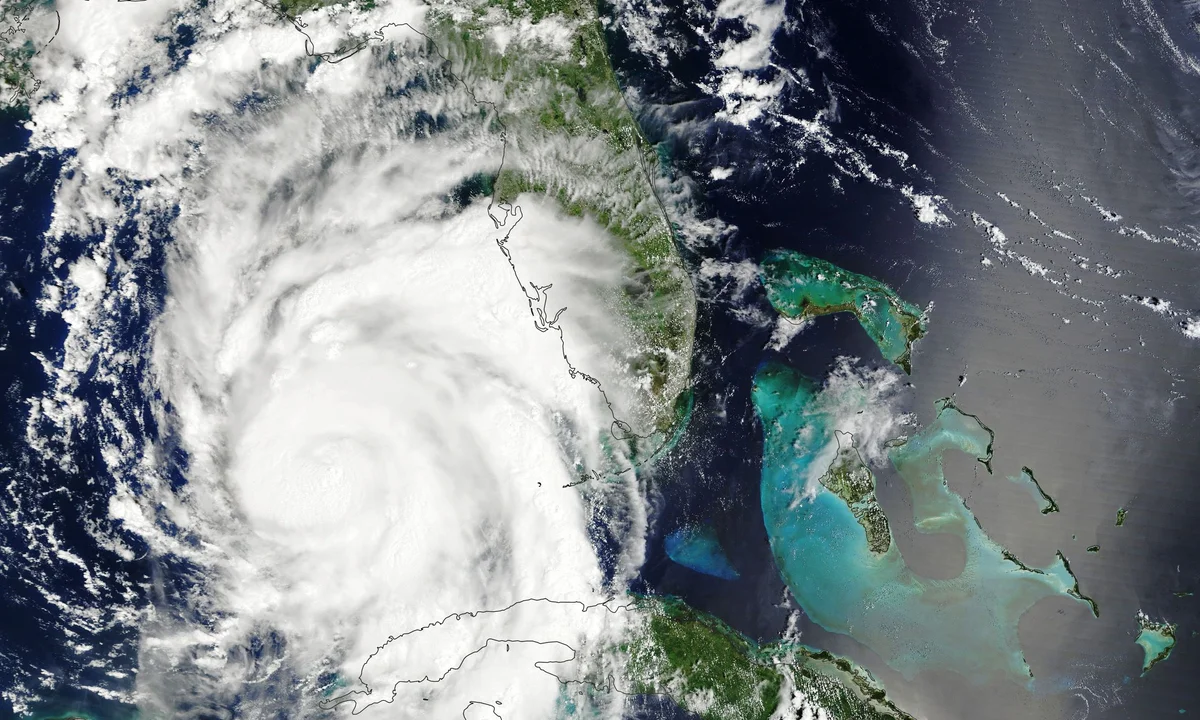
Florida homeowners face some of the most severe weather conditions in the United States. From tropical storms to major hurricanes, your roof and home’s structural integrity play a critical role in protecting your property. One of the most effective ways to verify your home’s storm resistance—and potentially lower your insurance premiums—is through a Wind Mitigation Inspection.
In this guide, we’ll explain what a wind mitigation inspection is, what inspectors look for, how to prepare, and why every Florida homeowner should consider getting one.
What Is a Wind Mitigation Inspection?
A wind mitigation inspection is a specialized evaluation that determines how well your home can withstand high winds and hurricane conditions. Licensed inspectors assess specific construction features that reduce the risk of wind damage.
The inspection results are documented on a Florida Uniform Mitigation Verification Inspection Form (OIR-B1-1802), which insurance companies use to determine eligibility for wind mitigation credits and discounts.
For many Florida homeowners, these discounts can result in substantial annual savings on homeowners insurance.
Why Wind Mitigation Inspections Matter in Florida
Florida’s building codes have evolved significantly over the years, especially following major hurricanes such as Hurricane Andrew.
Homes with modern wind-resistant features often experience:
- Lower insurance premiums
- Increased protection during hurricanes
- Reduced risk of roof failure
- Improved property value
- Easier insurance renewals
Many homeowners are surprised to learn that upgrades completed during a roof replacement may qualify them for insurance discounts they are not currently receiving.
How Wind Mitigation Inspections Relate to the My Safe Florida Home Program
Many Florida homeowners are unaware that a wind mitigation inspection is also the first step in the My Safe Florida Home Program.
This state-sponsored program helps eligible homeowners identify vulnerabilities that could make their homes more susceptible to hurricane damage and may provide grant funding for approved improvements.
The wind mitigation inspection serves two important purposes:
Potential Insurance Savings
The inspection may identify existing wind-resistant features that already qualify for insurance discounts, including:
- Hip roof construction
- Hurricane straps and clips
- Enhanced roof deck attachment
- Secondary water resistance
- Impact-resistant windows and doors
- Hurricane shutters
Even if no additional work is performed, homeowners may be able to submit the inspection report to their insurance company and potentially reduce their homeowners insurance premium.
Eligibility for Grant-Funded Improvements
The My Safe Florida Home Program uses the inspection to identify recommended upgrades that can improve a home’s resistance to hurricane-force winds.
Depending on the inspection findings, eligible improvements may include:
- Roof replacement
- Secondary water resistance installation
- Roof deck attachment enhancements
- Opening protection upgrades
- Hurricane shutters
- Impact-resistant windows and doors
After approved improvements are completed, homeowners may receive a follow-up inspection to verify the upgrades and potentially qualify for additional insurance discounts.
Why This Matters During a Roof Replacement
For homeowners considering a new roof, combining a roof replacement with wind mitigation improvements can provide significant long-term value. Features such as enhanced nailing patterns, self-adhered underlayment systems, and code-compliant roof-to-wall connections can improve storm protection while increasing eligibility for insurance credits.
If you are planning a roof replacement, it is worth discussing wind mitigation upgrades with your roofing contractor before work begins to maximize both protection and potential savings.
Wind Mitigation Inspection Checklist
1. Roof Covering
Inspectors verify:
- Type of roofing material
- Roof age
- Building permit information
- Compliance with Florida Building Code
Common roofing systems include:
- Metal roofing
- Concrete tile roofing
- Clay tile roofing
- Asphalt shingles
- Flat roofing systems
Newer roofing systems installed under modern Florida building codes generally receive more favorable ratings.
2. Roof Deck Attachment
The roof deck is the plywood or structural sheathing attached to the roof framing.
Inspectors evaluate:
- Nail size
- Nail spacing
- Attachment method
Stronger roof deck attachment significantly improves wind resistance and may qualify for insurance discounts.
Common classifications include:
- 6d nails
- 8d nails
- Enhanced attachment patterns
3. Roof-to-Wall Connections
One of the most important sections of the inspection involves determining how the roof structure is connected to the walls.
Inspectors look for:
Toe Nails
Basic connection using nails driven at an angle.
Clips
Metal connectors securing the roof framing to walls.
Single Wraps
Metal straps wrapping over one side of the truss or rafter.
Double Wraps
Metal straps wrapping both sides of the truss.
Double wraps typically provide the greatest wind resistance and often qualify for the highest insurance credits.
4. Roof Geometry
The shape of your roof plays a major role in how wind forces affect the structure.
Hip Roof
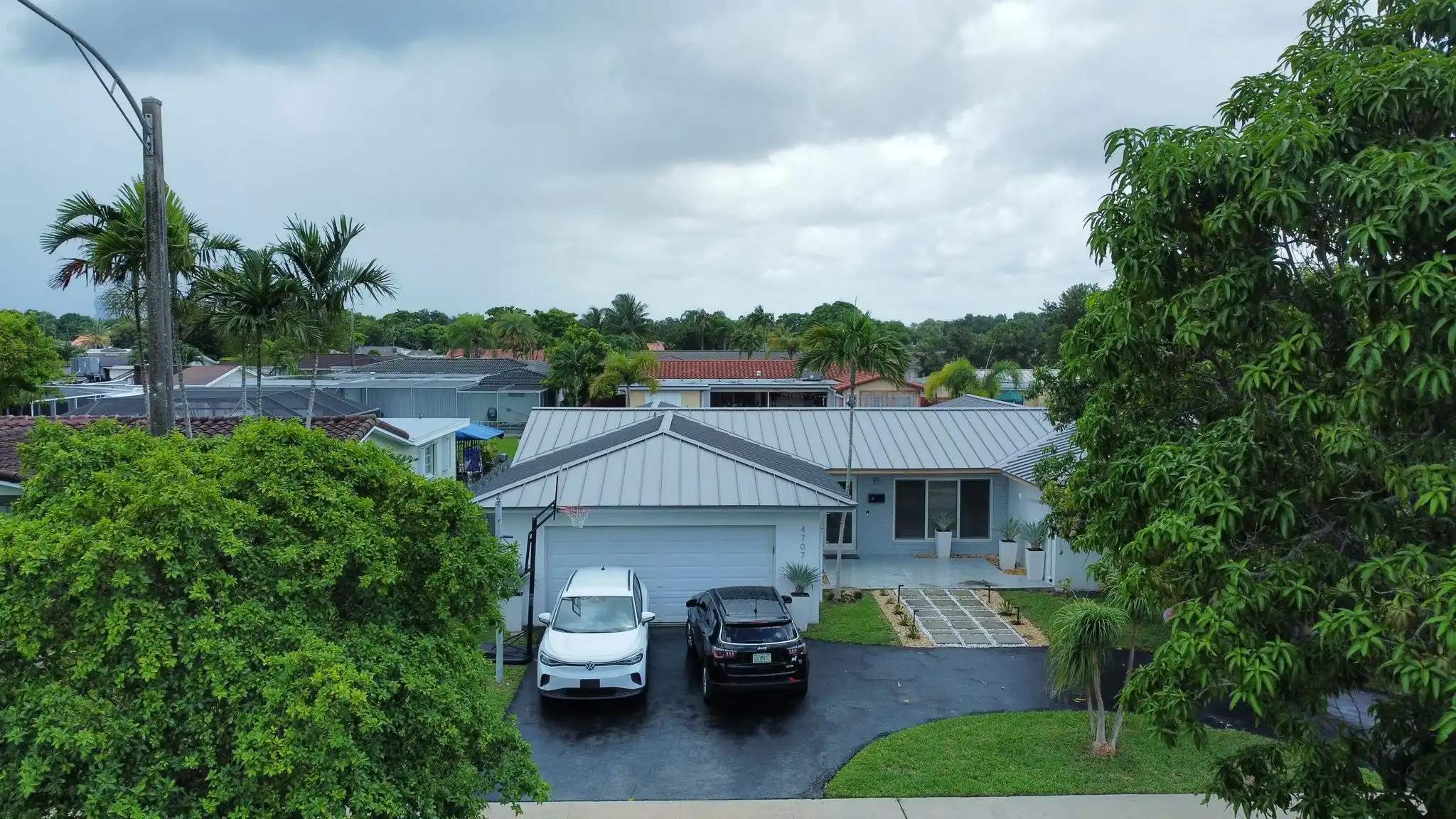
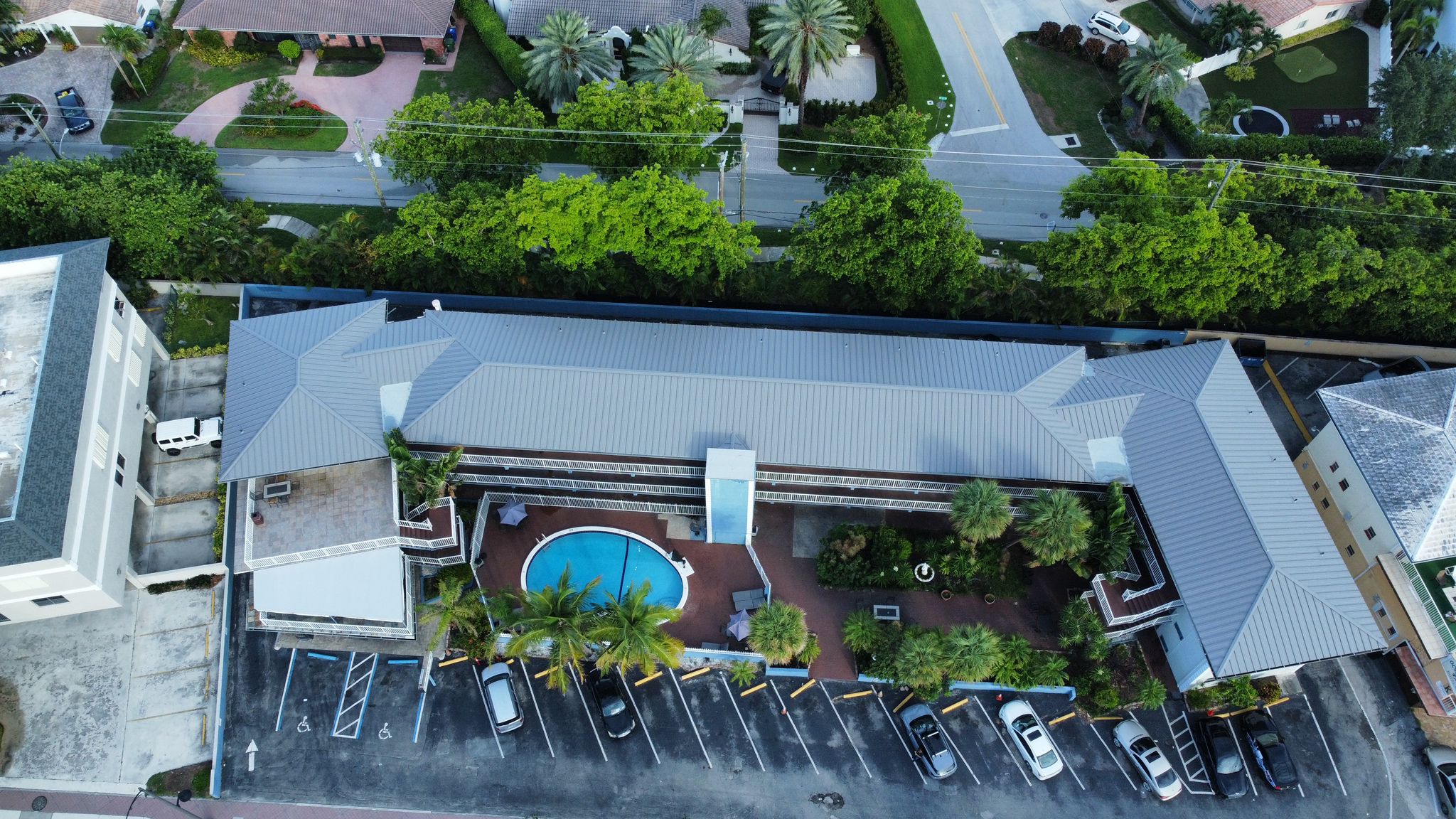
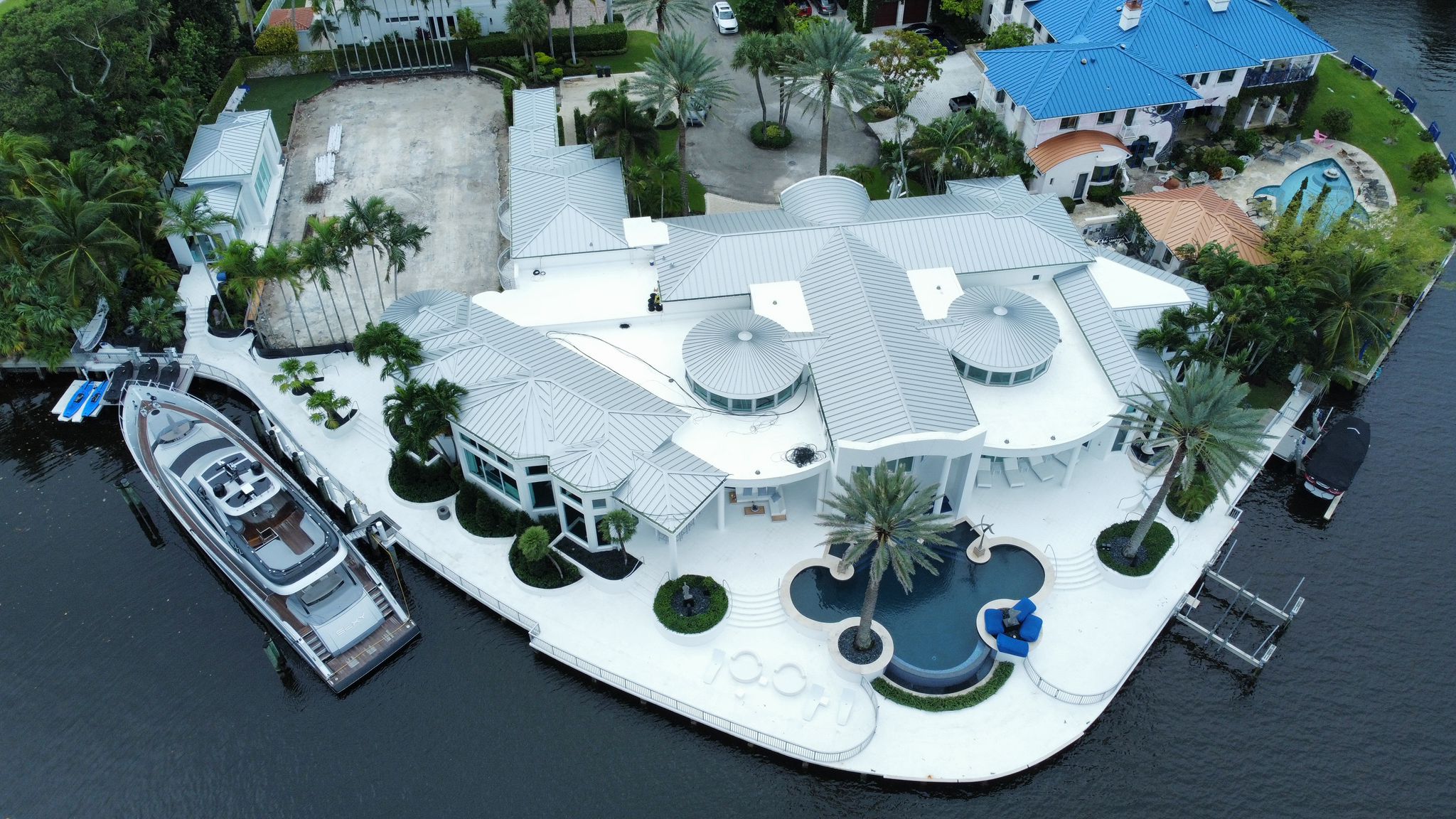
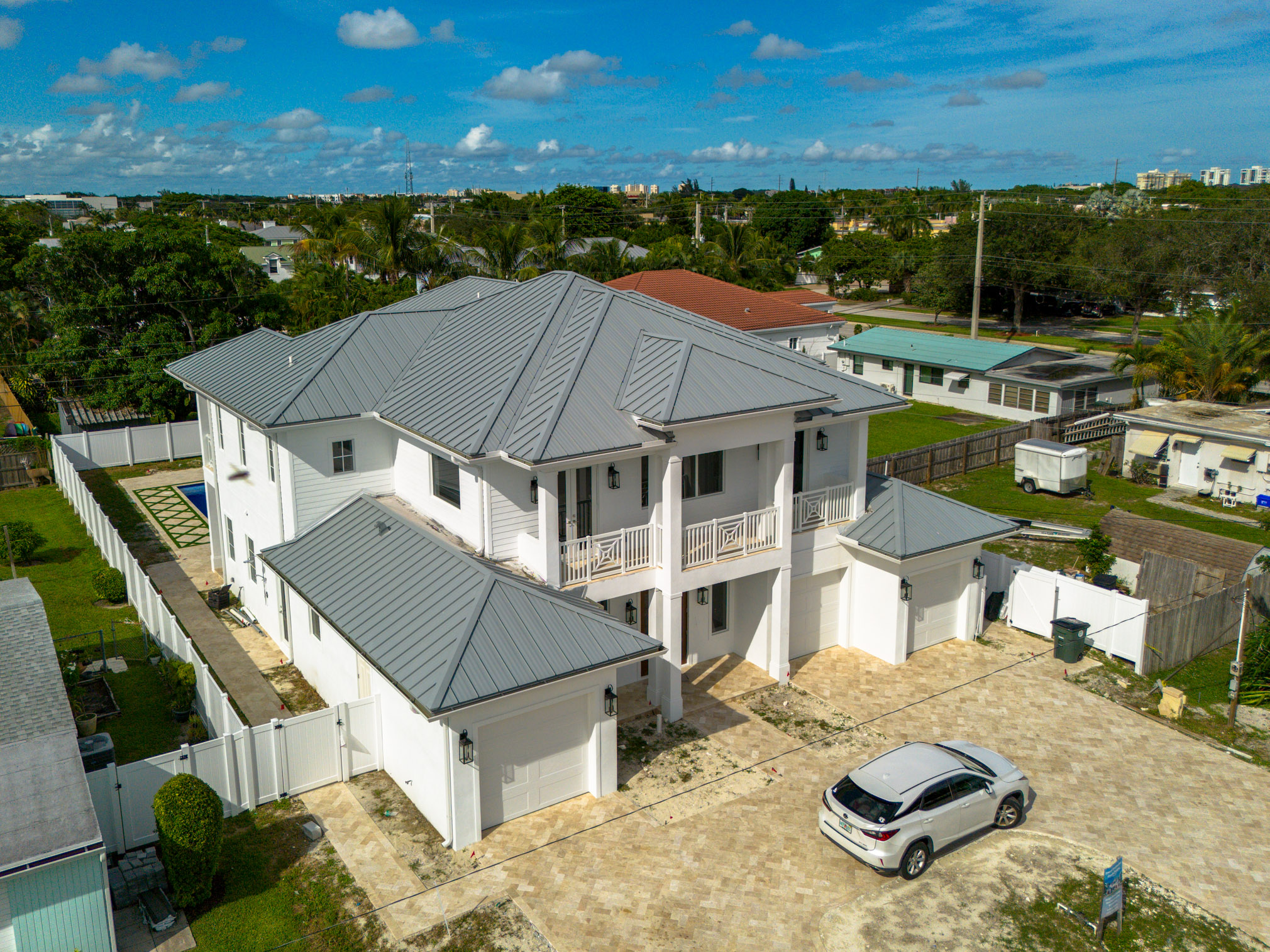
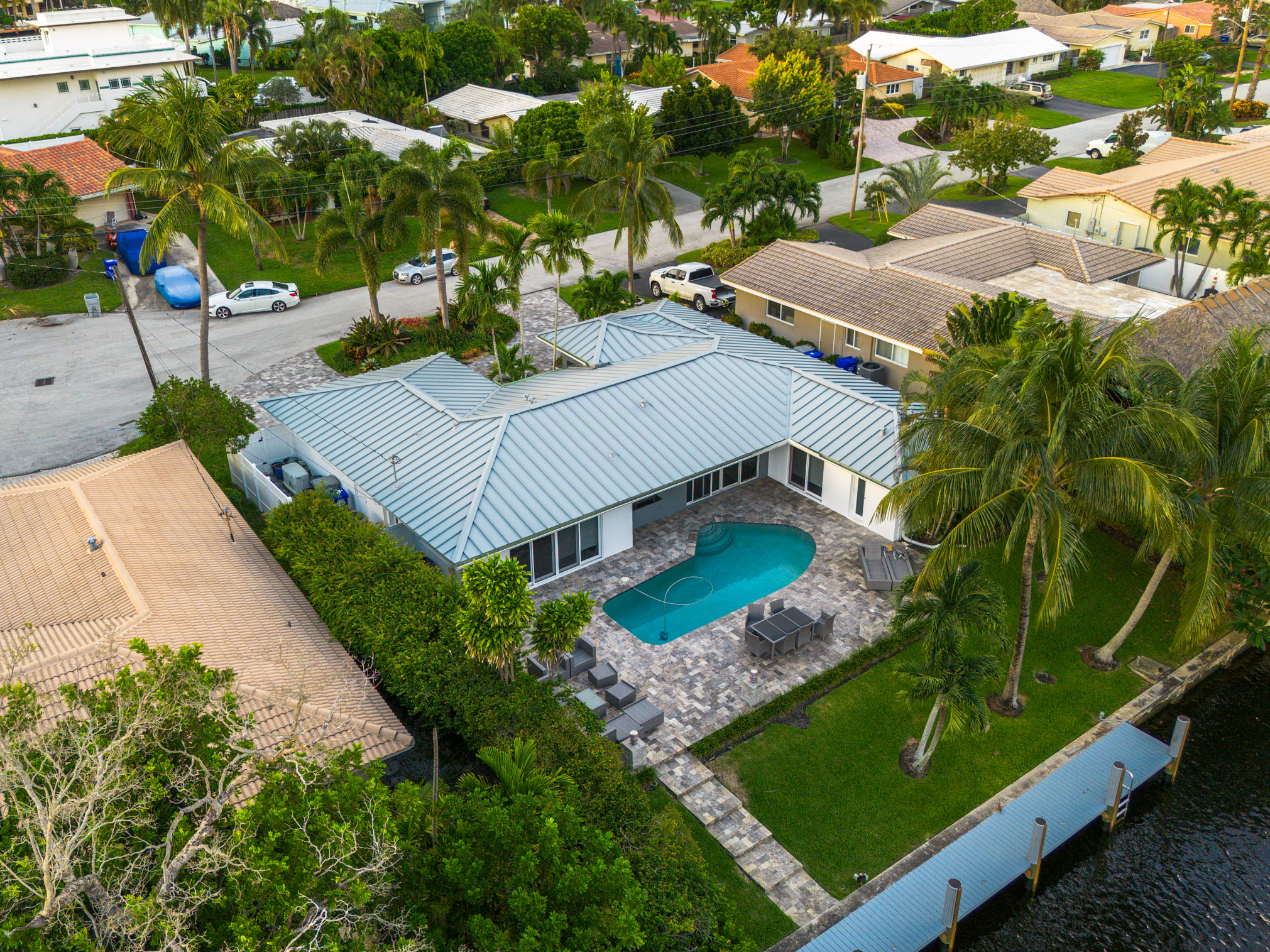
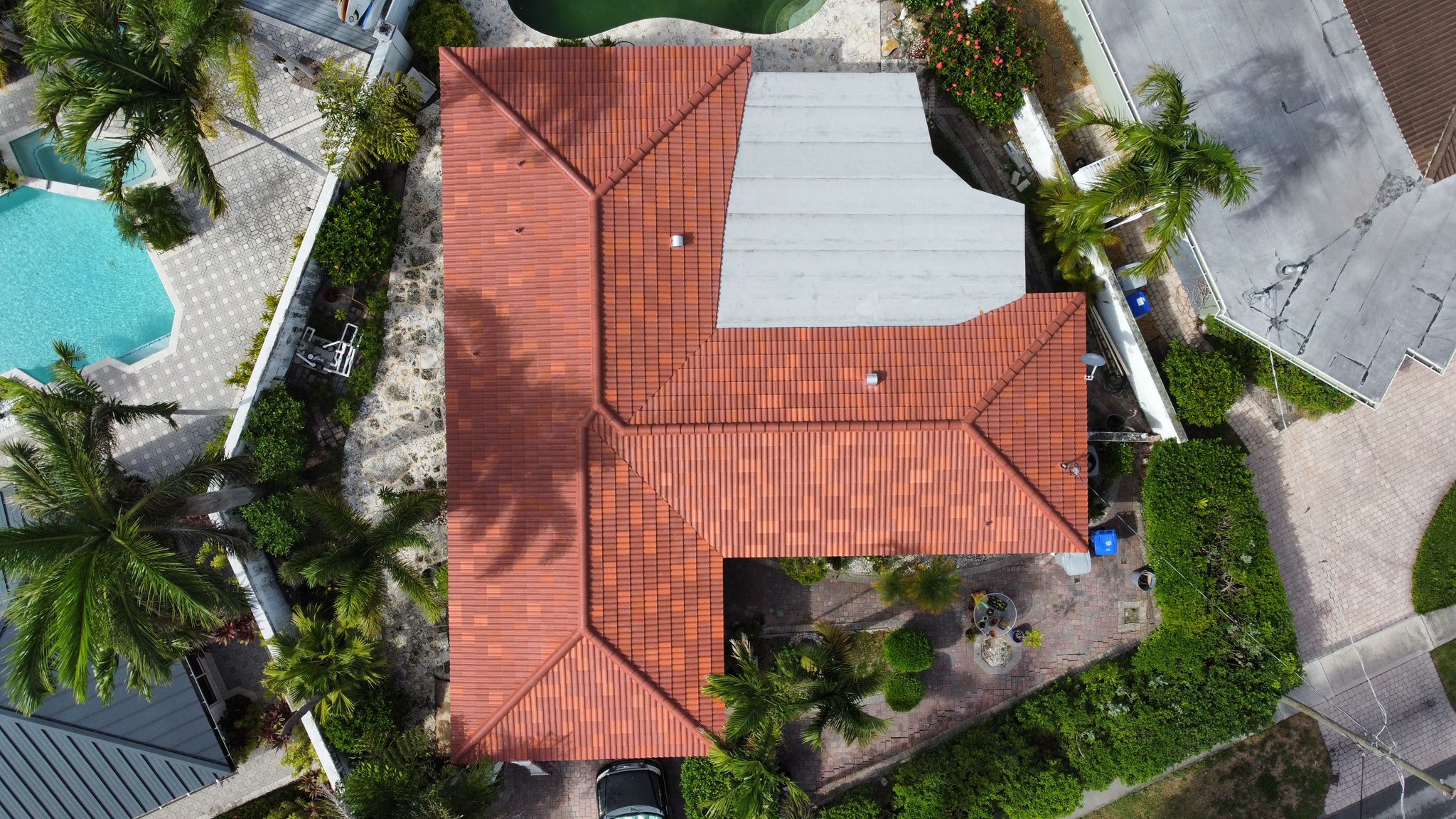
A hip roof slopes on all sides and is generally considered the most wind-resistant design.
Benefits include:
- Better wind deflection
- Reduced uplift forces
- Increased hurricane performance
Gable Roof
A gable roof has vertical end walls and tends to experience greater wind pressure.
Because of this, hip roofs typically receive better insurance discounts.
5. Secondary Water Resistance (SWR)
Secondary Water Resistance provides an additional moisture barrier beneath the roofing material.
Examples include:
- Self-adhered underlayment
- Peel-and-stick membranes
- Sealed roof deck systems
If roofing materials are damaged during a storm, SWR helps prevent water intrusion into the home.
This feature can provide valuable insurance savings and enhanced protection.
6. Opening Protection
Inspectors verify protection for all exterior openings, including:
- Windows
- Doors
- Garage doors
- Skylights
- Glass block openings
Approved protection methods may include:
- Impact-rated windows
- Impact-rated doors
- Hurricane shutters
- Approved storm panels
Proper opening protection helps prevent internal pressurization, which can contribute to catastrophic roof failure during hurricanes.
7. Garage Door Protection
Garage doors are one of the most vulnerable components during severe storms.
Inspectors evaluate:
- Wind-load ratings
- Impact resistance
- Reinforcement systems
A properly rated garage door can significantly improve overall wind mitigation scores.
Documents Homeowners Should Have Available
Before the inspection, gather:
- Roof permit records
- Final inspection approvals
- Roofing contracts
- Product approvals
- Manufacturer documentation
- Previous wind mitigation reports
These documents can help verify construction details and ensure you receive all available credits.
How Long Does a Wind Mitigation Inspection Take?
Most inspections take between 30 and 60 minutes.
The inspector may:
- Access the attic
- Photograph roof connections
- Examine roofing materials
- Measure roof geometry
- Verify opening protection
Afterward, you’ll receive a completed inspection report that can be submitted to your insurance carrier.
How Much Can You Save?
Savings vary based on:
- Home location
- Insurance carrier
- Home age
- Construction type
- Wind-resistant features
Many Florida homeowners save hundreds of dollars annually, while some homes may qualify for significantly larger reductions.
Because discounts often continue year after year, a wind mitigation inspection can provide long-term value.
When Should You Get a Wind Mitigation Inspection?
Consider scheduling an inspection if:
- You recently replaced your roof
- You installed impact windows or doors
- Your home was built after 2002
- You’ve never had a wind mitigation inspection
- Your current report is over five years old
- You’re shopping for homeowners insurance
Many homeowners miss out on available discounts simply because their insurance company has never received updated documentation.
Roofing Upgrades That Can Improve Wind Mitigation Results
If you’re considering a roof replacement, discuss these upgrades with your roofing contractor:
- Enhanced roof deck attachment
- Self-adhered underlayment
- Hurricane straps and clips
- Impact-rated skylights
- Impact-resistant roofing systems
- Code-compliant flashing details
These improvements not only strengthen your home but may also increase insurance savings.
Why Work With an Experienced Florida Roofing Contractor?
Understanding wind mitigation requirements is essential when replacing a roof in Florida.
An experienced roofing contractor can:
- Ensure code compliance
- Document eligible mitigation features
- Provide permit records
- Coordinate with inspectors
- Help maximize insurance credits
Choosing the right contractor today can lead to insurance savings for years to come.
Schedule Your Roof Evaluation Today
If you’re considering a roof replacement or want to determine whether your home qualifies for additional insurance discounts, now is the perfect time to review your wind mitigation features.
A properly installed roofing system can improve hurricane protection, increase property value, and potentially reduce your insurance premiums.
Contact Allied Roofing & Sheet Metal today to learn how your roof can help protect your home and save money on insurance.