A roof repair is worth considering when the problem is limited to a specific area and the surrounding roofing system remains in serviceable condition.
Examples may include:
- An isolated flashing problem around a roof penetration.
- Localized damage to tiles or shingles.
- A leak with an identifiable source that can be properly accessed and repaired.
- A small damaged section of an otherwise serviceable roof.
The important question is whether the repair will address the cause of the problem.
Replacing a broken tile, for example, may not resolve a leak if the waterproofing underneath is damaged. Similarly, repairing an interior ceiling stain does nothing to stop water from entering.
Ask your contractor to explain where the water is getting in, what materials are affected, and how the proposed repair addresses the source.
When Roof Replacement Deserves a Closer Look
Replacement becomes a more serious consideration when the roof has problems beyond one isolated area.
Warning signs that deserve a thorough assessment include:
- Leaks developing in multiple locations.
- Repeated repairs that have not resolved water intrusion.
- Widespread deterioration of roofing materials.
- Damage extending into the roof deck or other underlying components.
- A roof whose remaining useful life may not justify another substantial repair.
None of these signs should be treated as a complete diagnosis on its own. A ceiling stain, for instance, does not automatically mean you need a new roof.
A replacement recommendation should come with a clear explanation of the roof’s condition, the extent of the problems, and why a smaller repair would be insufficient or poor value.
Does the Age of Your Roof Decide the Answer?
Age provides useful context, but it should not be the only factor.
Two roofs installed in the same year can be in different condition. Installation quality, materials, maintenance, exposure, and previous damage all affect how a roof performs.
An older roof with a limited problem may still be a repair candidate. A newer roof with significant installation defects or widespread damage may need more extensive work.
If you know when your roof was installed, share that information with your contractor. Previous inspection reports, warranty documents, and repair records can also help build a clearer picture.
How the Decision Changes by Roof Type
Tile Roofs
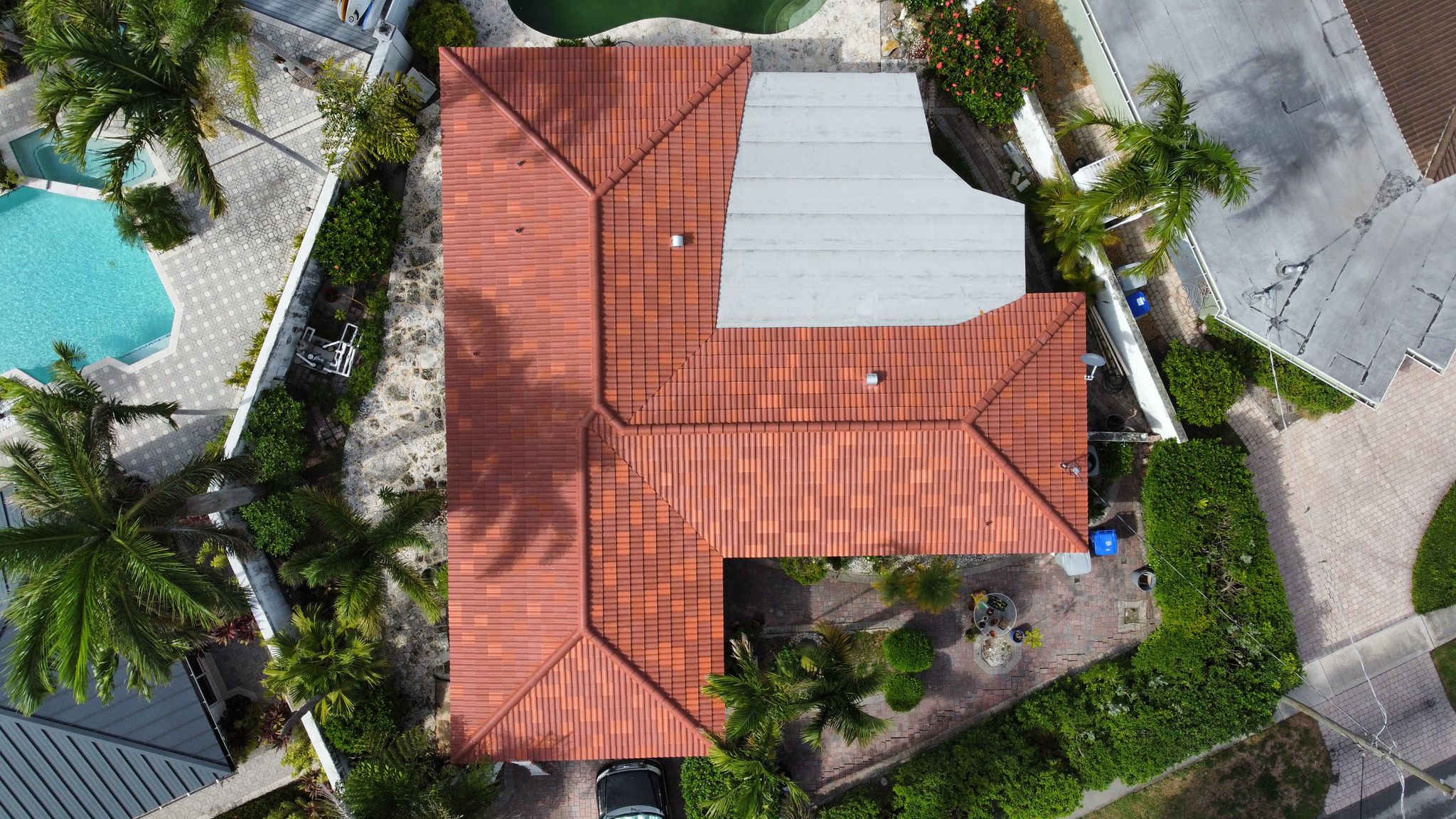
With a tile roof, the visible surface is only part of the system. The condition of the underlayment and flashing matters when evaluating leaks.
A few damaged tiles and widespread underlayment deterioration are different problems. Your assessment should explain whether the issue is limited to the surface or involves the materials below it.
For more background, read our guide to why South Florida tile roofs fail and tile roof underlayment replacement.
Metal Roofs
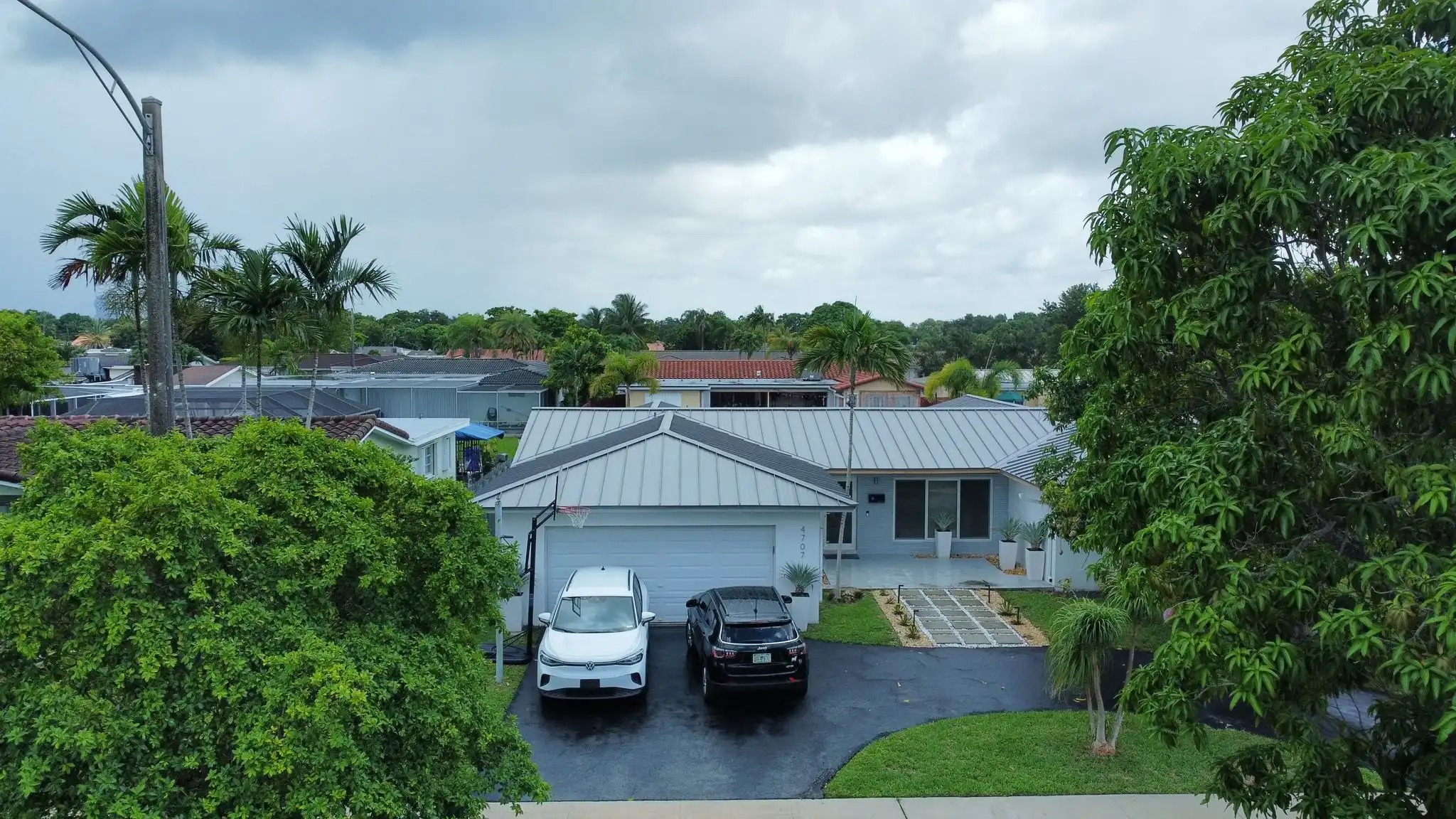
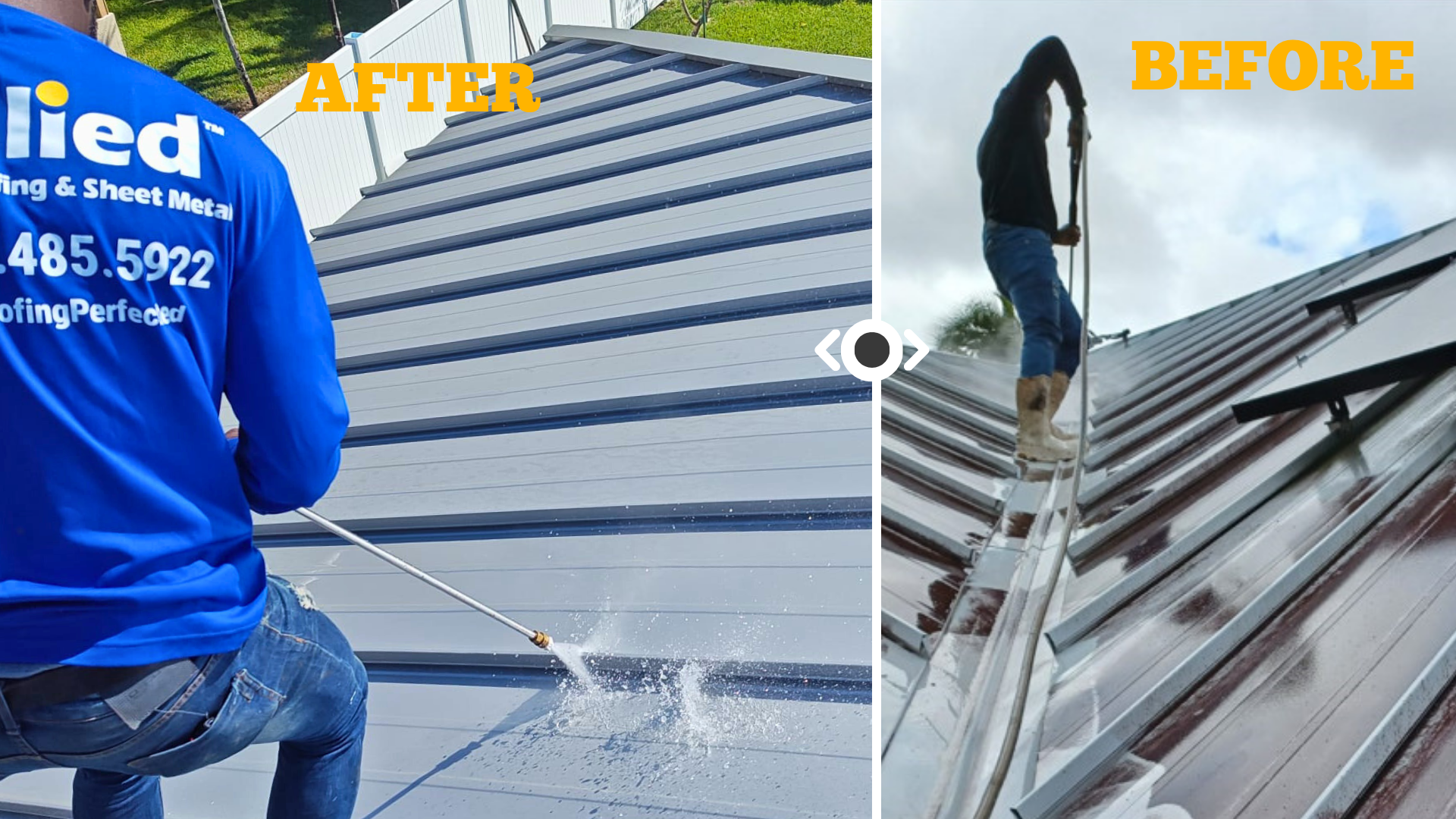
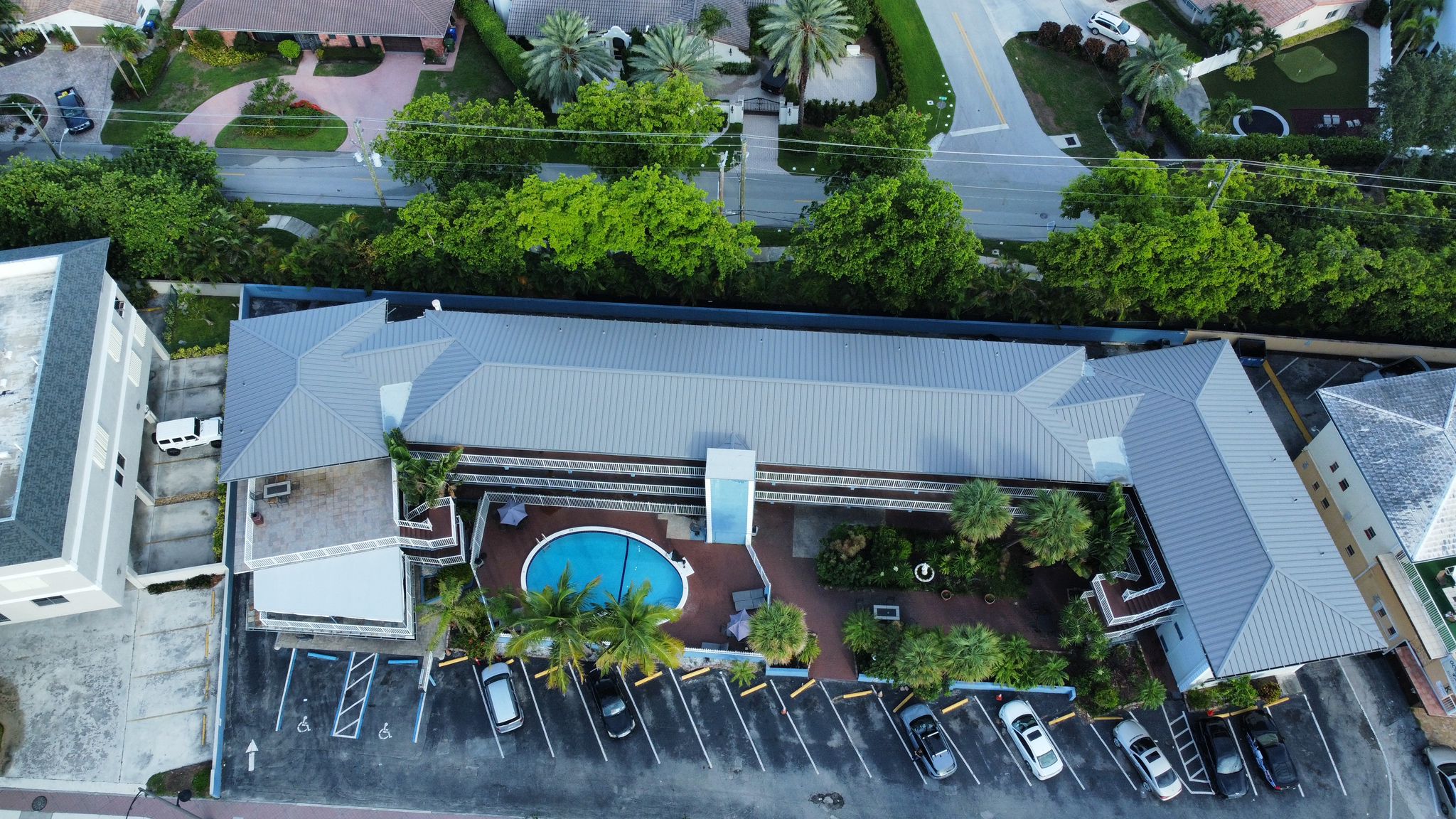
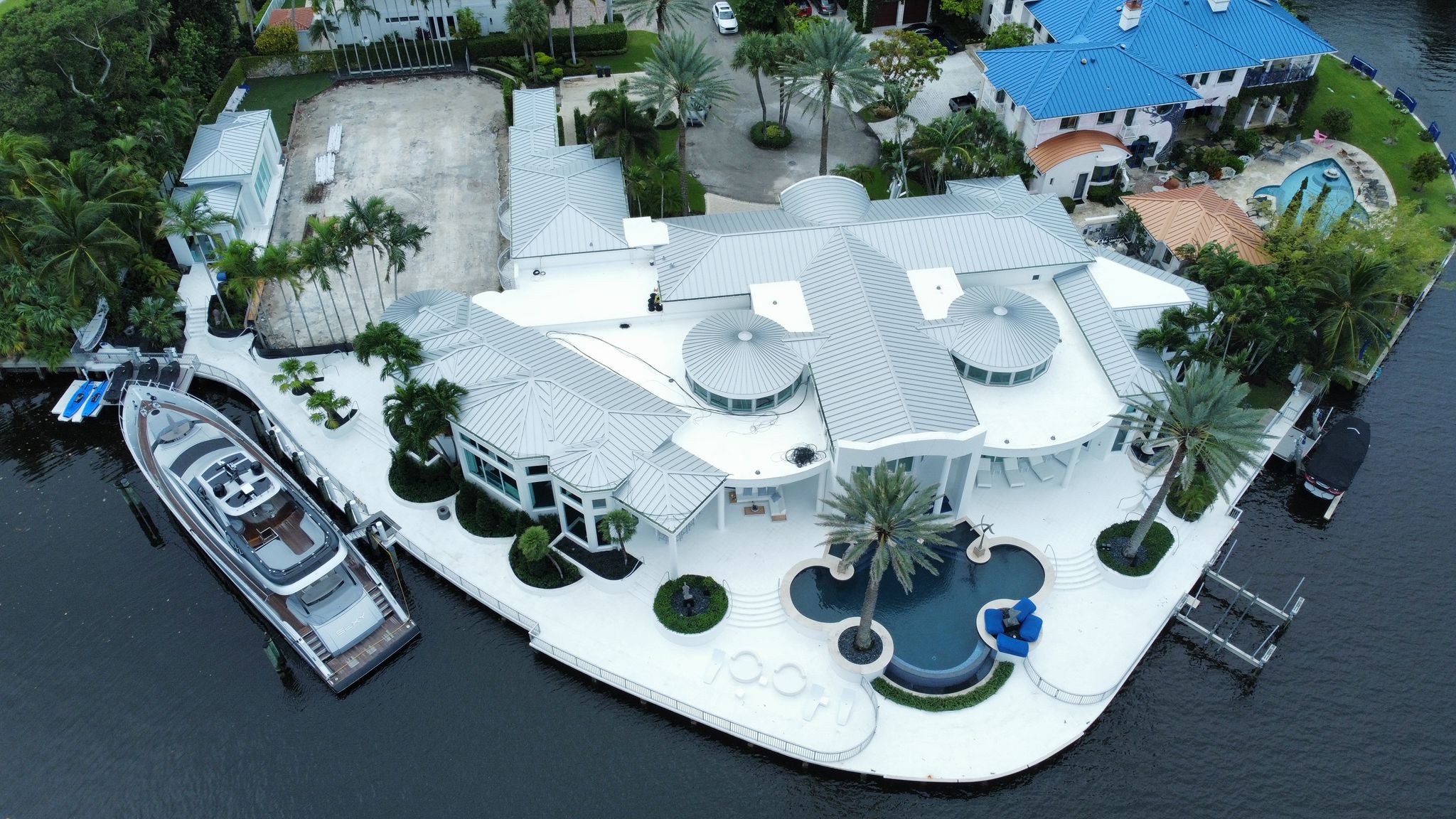
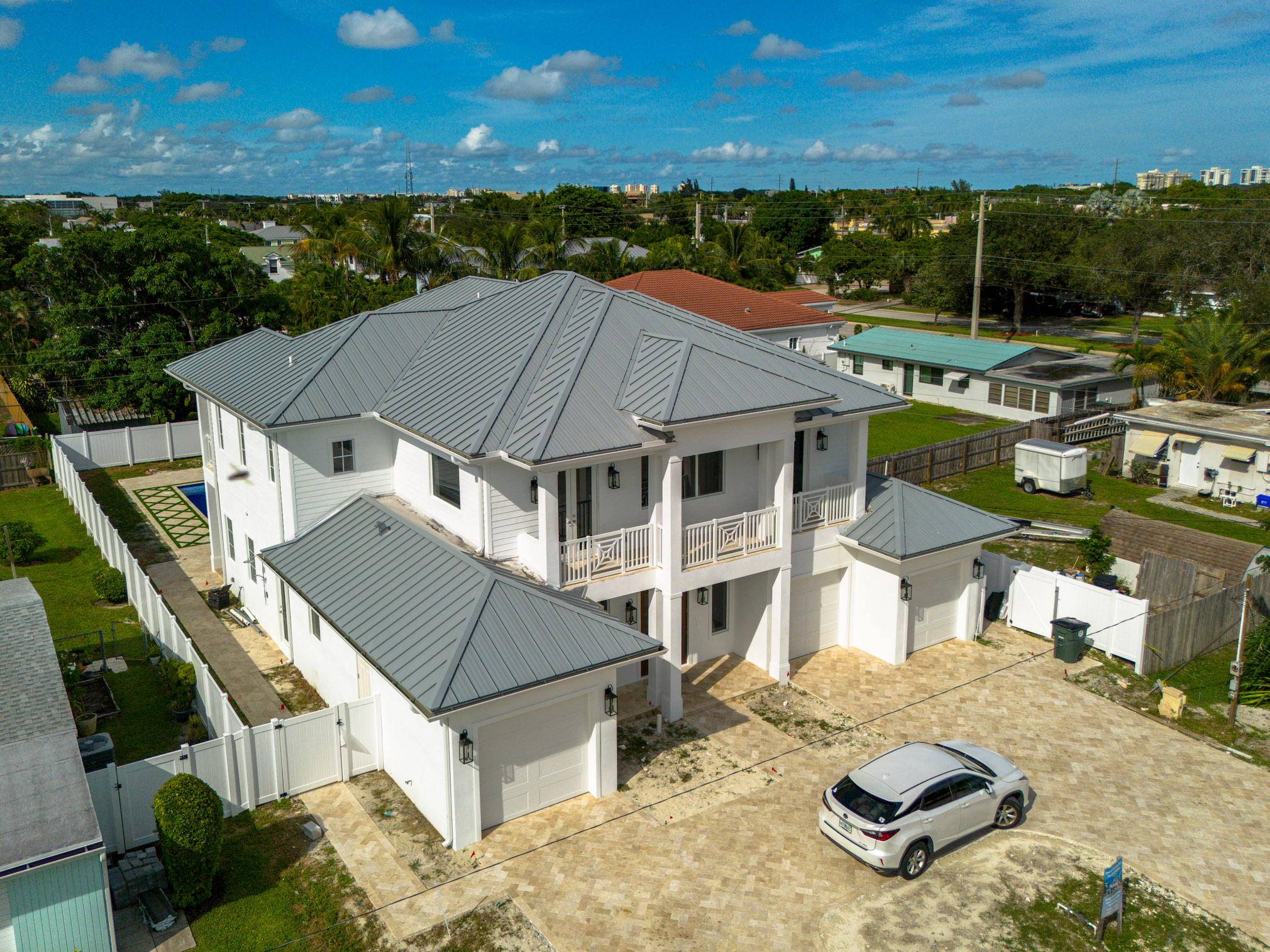
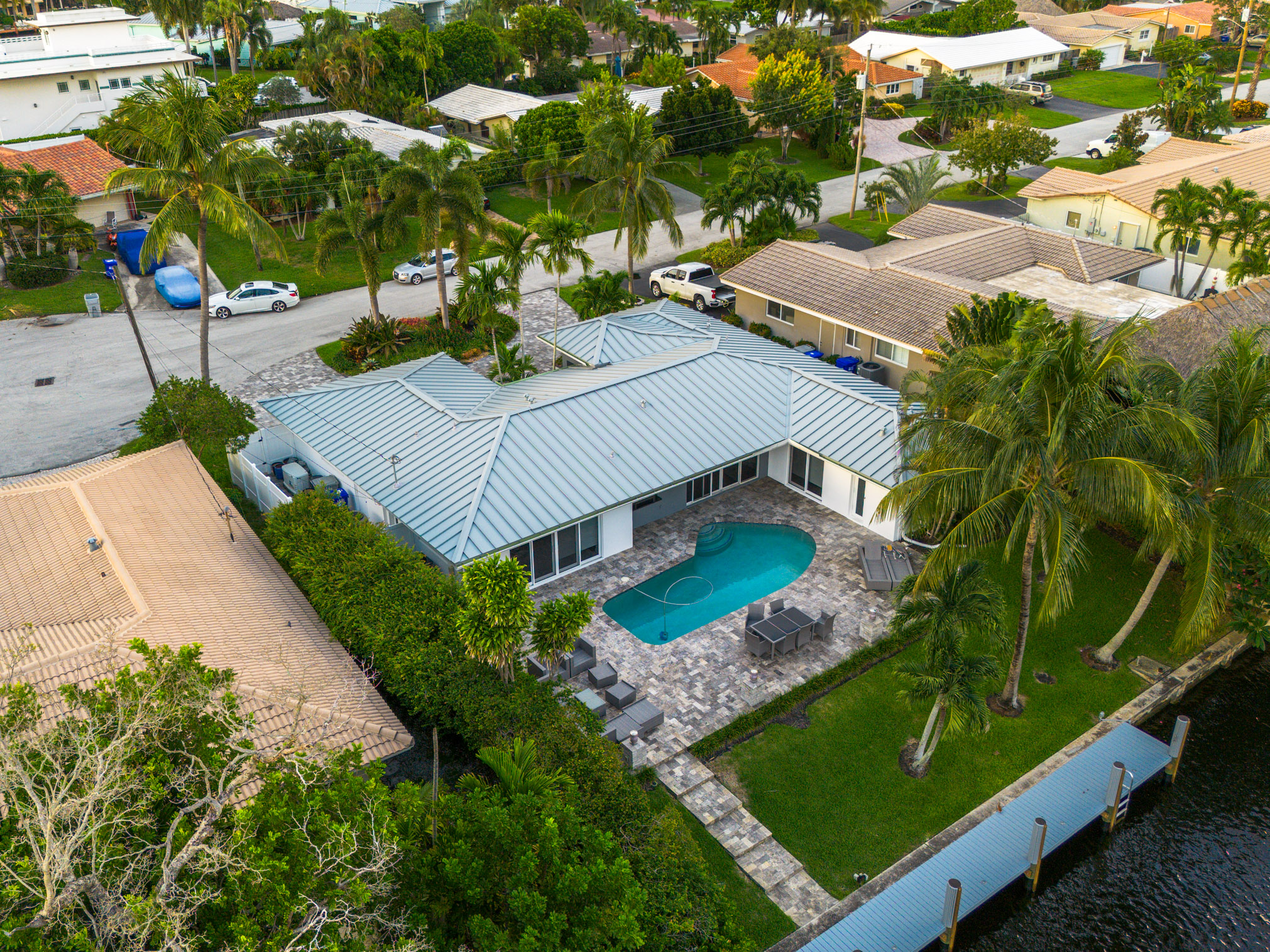
A metal roof assessment should consider the panels, seams, attachments, flashing, and any signs of corrosion or movement.
A localized issue may be repairable, while more extensive deterioration can require a broader solution. The repair approach should also be appropriate for the particular metal roofing system.
Ask what caused the issue and whether the proposed work is compatible with the existing roof and applicable manufacturer requirements.
Shingle Roofs
For shingle roofs, the extent of the damage and the condition of the surrounding shingles are important.
A limited damaged area may be repairable if the adjacent materials can accommodate the work. Broader deterioration or damage beneath the shingles may change the recommendation.
The assessment should look beyond the most visible missing or damaged pieces.
Flat and Low-Slope Roofs
For flat and low-slope roofs, the assessment should include the roof covering, seams, flashing, drainage, and evidence of moisture within the system.
A surface repair may be appropriate for an isolated defect. If moisture has affected underlying materials, the scope may be more extensive.
If a coating is proposed, ask why the existing roof is a suitable candidate and what preparation or repairs are needed first.
Compare More Than the Initial Price
A repair usually involves a smaller immediate expense than a full replacement. But the lowest upfront price does not always offer the best value over time.
Before deciding, compare:
| Question | Why it matters |
|---|---|
| What exactly will the work fix? | A limited repair may leave other known problems unresolved. |
| What condition is the rest of the roof in? | The surrounding roof affects the value of investing in one area. |
| Are more repairs likely soon? | Several separate repairs can become a substantial expense. |
| What does the warranty cover? | Repair and replacement warranties may have different terms and exclusions. |
| What happens if hidden damage is found? | You should understand how additional work will be documented and priced. |
If both options are reasonable, request written scopes for each. Compare what is included, what is excluded, and what uncertainties remain.
Our guide to roof replacement costs in South Florida explains additional factors to consider when planning a replacement.
Six Questions to Ask Before Approving the Work
A useful roofing assessment should help you understand the decision. Before signing, ask:
- Can you show me photos of the problem?
- Is the damage isolated or present in several areas?
- What condition are the materials underneath the roof covering in?
- If I choose a repair, what problems or limitations will remain?
- What permits, inspections, and manufacturer requirements apply to this work?
- What is covered by the written warranty, and what is excluded?
Be cautious about precise promises of remaining roof life without an explanation of the roof’s condition. An assessment can guide your decision, but it cannot guarantee how an aging roof will perform in every future storm.
What to Do if Your Roof Is Leaking Now
You do not need to decide on a full replacement before arranging an assessment.
Document the leak and any visible interior damage from a safe location. Note when it occurs and whether it has happened before. Gather records of previous repairs so the contractor can review the history.
Avoid climbing onto the roof to investigate, especially during or after rain. Keep clear of sagging ceilings and water near electrical fixtures.
When requesting service, explain whether water is actively entering the home so the urgency is clear.
Get a Clear Recommendation for Your South Florida Roof
The best choice is the one supported by the condition of your roof and a clearly explained scope of work.
At Allied Roofing & Sheet Metal Inc., we assess whether a repair or replacement is the appropriate next step. Our roof leak repair service focuses on diagnosing the problem and determining whether it can be repaired before recommending a full replacement.
Not sure which option your roof needs? Call Allied Roofing & Sheet Metal Inc. at 954-485-5922 or contact our team to request a roof assessment.
Whether you are dealing with a new leak or deciding what to do about an aging roof, start with an explanation you understand before committing to the investment.