Everything Parkland Homeowners Need to Know Before Replacing Their Roof
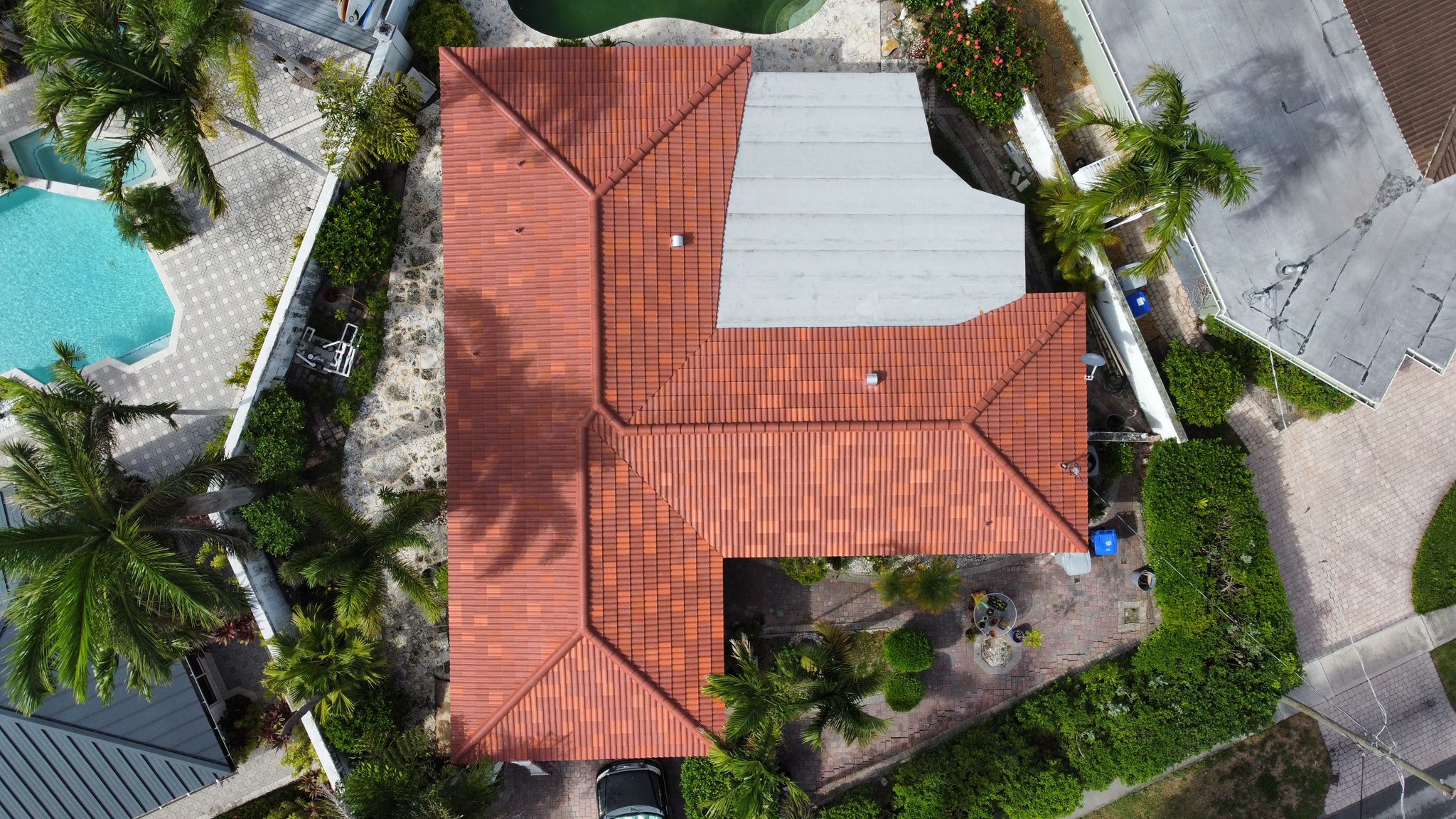
A tile roof is one of the best investments for homes in Parkland, Florida. Concrete and clay tiles can last 40–75 years or more, but the underlayment beneath the tiles is what truly keeps your home waterproof.
Many homeowners believe the tiles are what prevent leaks. In reality, roof tiles primarily shed water and protect against UV exposure, while the waterproof underlayment is the home’s primary water barrier.
If you’re replacing your tile roof in Parkland, choosing the right underlayment is one of the most important decisions you’ll make.
What Is Roof Underlayment?
Roof underlayment is a waterproof or water-resistant membrane installed directly over the roof deck before the roof tiles are installed.
It serves several important purposes:
- Keeps rain from entering your home
- Protects the wood deck from moisture
- Provides a secondary waterproof barrier if tiles crack or shift
- Helps protect during hurricanes and wind-driven rain
- Extends the overall life of the roofing system
Without quality underlayment, even a beautiful tile roof can eventually develop leaks.
Why Underlayment Matters Even More in Parkland
Parkland homeowners face unique roofing challenges:
- Hurricane-force winds
- Heavy summer thunderstorms
- Wind-driven rain
- High UV exposure
- Heat exceeding 140°F on roof surfaces
- Humidity year-round
Because of these conditions, choosing premium underlayment is often more important than choosing expensive roof tiles.
The Most Common Types of Tile Roof Underlayment
1. Self-Adhered Modified Bitumen (Peel-and-Stick)
This is widely considered the premium option for South Florida.
Advantages
✔ Fully adhered to the roof deck
✔ Excellent waterproofing
✔ Great resistance to wind-driven rain
✔ Superior protection around nails
✔ Helps reduce leaks during hurricanes
✔ Excellent longevity
Many premium roofing contractors recommend peel-and-stick systems because they create a continuous waterproof membrane.
2. High-Temperature Synthetic Underlayment
Synthetic underlayments have become increasingly popular.
Benefits include:
- Lightweight
- Tear resistant
- Easier installation
- Better UV resistance than traditional felt
- Better dimensional stability
Some synthetic products are designed specifically for tile roofing systems.
3. Asphalt-Saturated Felt
Years ago, felt was the industry standard.
Today it is generally considered an entry-level option.
Disadvantages include:
- Can wrinkle
- Absorbs moisture
- Lower lifespan
- Less resistant to Florida heat
- More vulnerable during prolonged exposure
Many homeowners upgrading their roofs choose newer materials instead.
Is Peel-and-Stick Better Than Synthetic?
There isn’t a universal answer.
The best choice depends on:
- Roof design
- Roof slope
- Budget
- Manufacturer specifications
- Local building code requirements
- Contractor recommendations
However, many premium South Florida roofing systems utilize self-adhered underlayment because they provide excellent waterproofing and perform well in severe weather.
High-Temperature Underlayment Is Important
Tile roofs can become extremely hot.
Roof surface temperatures in South Florida frequently exceed:
- 150°F
- 160°F
- Even higher on darker-colored tiles
Using underlayment rated for high temperatures helps prevent premature deterioration.
How Long Does Tile Roof Underlayment Last?
The answer depends on the material.
Approximate service life:
| Underlayment Type | Expected Life* |
|---|---|
| Traditional Felt | 15–20 years |
| Synthetic | 20–30+ years |
| Premium Self-Adhered Systems | 25–35+ years |
*Actual lifespan depends on installation quality, ventilation, roof design, weather exposure, and maintenance.
Remember:
Most tile roofs outlast their original underlayment.
This is why many Florida homeowners eventually perform a lift-and-reset, replacing the underlayment while reinstalling reusable roof tiles.
What Is a Lift-and-Reset?
Instead of replacing perfectly good roof tiles, contractors can:
- Remove the tiles
- Inspect the roof deck
- Replace deteriorated underlayment
- Replace flashing where needed
- Reinstall the existing tiles
This can significantly extend the life of a tile roof when the tiles remain in good condition.
Secondary Water Resistance (SWR)
Many homeowners have heard about Secondary Water Resistance.
SWR provides an additional layer of protection beneath the roof covering.
Benefits may include:
- Improved protection during hurricanes
- Better resistance to wind-driven rain
- Reduced risk of interior water intrusion if roof coverings are damaged
- Potential insurance benefits when combined with qualifying roofing features and documented through a wind mitigation inspection
Not every roof automatically includes SWR, so ask your contractor whether it will be part of your roofing system.
Why Proper Installation Matters More Than the Brand
Even the best underlayment can fail if installed incorrectly.
Professional installation includes:
- Proper deck preparation
- Correct fastening methods
- Manufacturer-approved overlaps
- Proper flashing integration
- Valley waterproofing
- Chimney flashing
- Pipe flashing
- Wall flashing
- Correct tile fastening
- Final inspection
Installation quality often has a greater impact on roof performance than the brand name alone.
Questions to Ask Your Roofing Contractor
Before signing a contract, ask:
- What underlayment will be installed?
- Is it rated for tile roofing?
- Is it high-temperature rated?
- Is it self-adhered or mechanically attached?
- What warranty does the manufacturer provide?
- Will all flashing be replaced?
- Will damaged decking be replaced if discovered?
- Does the installation meet current Florida Building Code requirements?
- Will the roof qualify for a wind mitigation inspection if applicable?
Signs Your Underlayment May Be Failing
Your tile roof may look fine from the street while the underlayment underneath has reached the end of its service life.
Watch for:
- Ceiling stains
- Interior leaks
- Moisture in the attic
- Mold growth
- Loose or slipped tiles
- Repeated roof repairs
- Underlayment visible near the eaves that appears brittle or deteriorated
If your tile roof is 20–30 years old, it may be time for a professional inspection.
Why Parkland Homeowners Should Schedule Regular Roof Inspections
South Florida weather can be tough on roofing systems.
Annual inspections can identify:
- Broken tiles
- Cracked mortar
- Loose flashing
- Worn sealants
- Early underlayment issues
- Storm damage before leaks develop
Early detection often prevents much more expensive repairs.
Frequently Asked Questions
What is the best underlayment for a tile roof in Parkland?
There is no one-size-fits-all answer. Many contractors recommend premium self-adhered or high-temperature underlayments because of Florida’s climate, but the appropriate system depends on the roof design, manufacturer requirements, and applicable building code.
Can roof tiles be reused?
Yes. If the tiles are in good condition, they can often be removed and reinstalled during an underlayment replacement.
Does underlayment stop roof leaks?
Yes. Underlayment is the primary waterproof barrier beneath the roof covering and plays a critical role in preventing water intrusion.
How often should a tile roof be inspected?
At least once a year, and after major storms or hurricanes.
Can I replace only the underlayment?
In many cases, yes. A lift-and-reset project may be appropriate if the tiles remain structurally sound.
Final Thoughts
When replacing a tile roof in Parkland, the underlayment you choose is just as important as the tiles themselves. Florida’s intense sun, heavy rains, and hurricane exposure demand a roofing system designed for long-term durability and proper installation.
Whether you’re planning a full roof replacement or considering a lift-and-reset, work with a licensed roofing contractor who uses quality materials, follows manufacturer specifications, and complies with the current Florida Building Code. A well-designed underlayment system can help protect your home for decades and maximize the value of your tile roof.